Hezbollah Demands Return of Seized Explosives Intended for Attacks on Israel
Summary
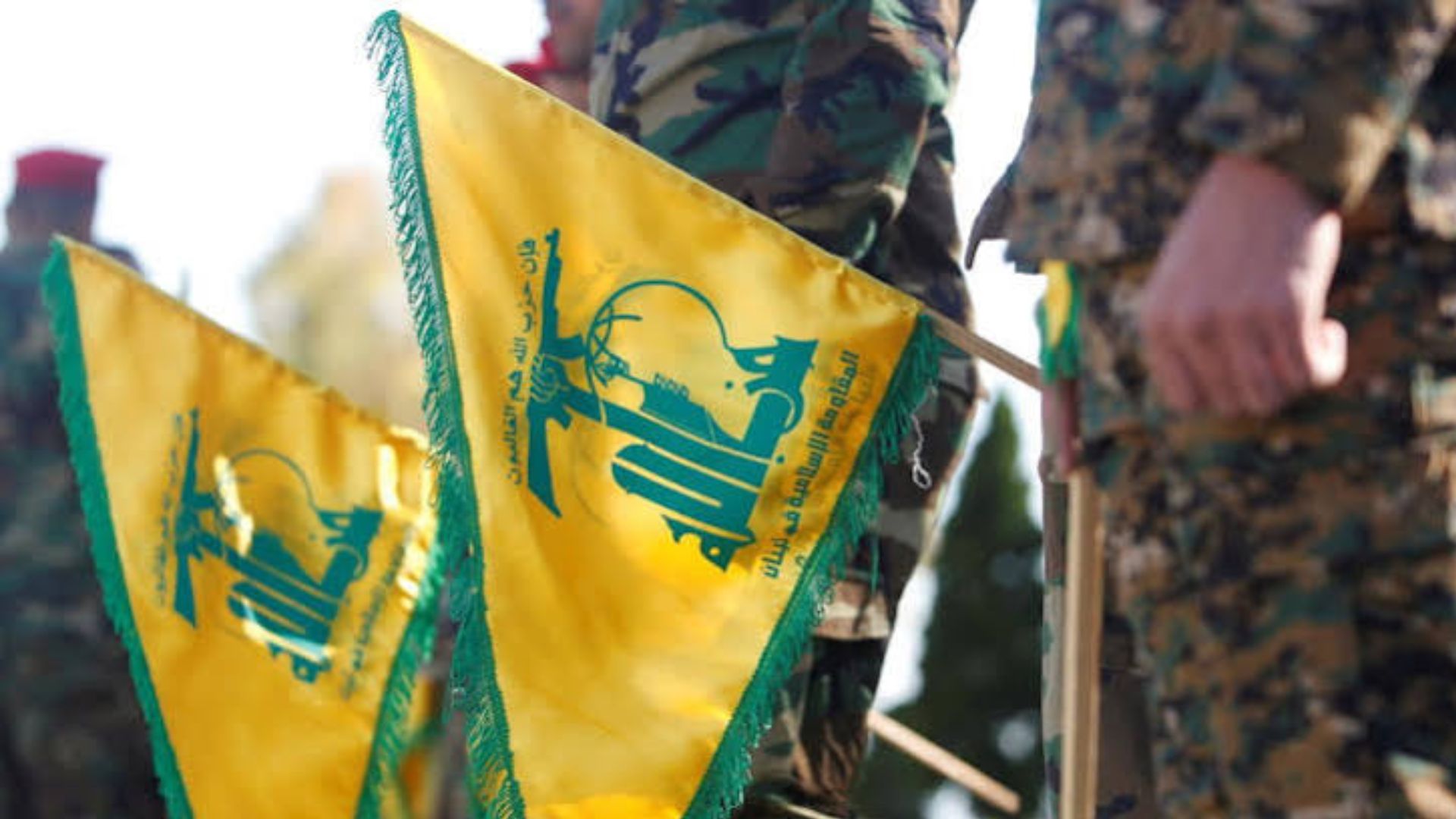
Lebanese security forces seized hundreds of kilograms of explosives from a vehicle at a checkpoint in the Bekaa region. Hezbollah acknowledged that the materials belonged to the group and said they were intended for explosive-drone attacks against Israeli troops, according to Reuters sources. Hezbollah lawmaker Hassan Fadlallah reportedly demanded the explosives’ return and the release of two detainees. The disclosure comes as Lebanon’s government presses Hezbollah to surrender its weapons, while the group refuses as long as Israeli forces remain in Lebanon.
Watchmen Signals
Biblical Context
The planned use of explosives against Israeli troops places the report within issues Scripture directly addresses: armed violence, hostility toward Israel, and the responsibility of civil authorities to restrain wrongdoing. Romans 13:1-4 describes governing authorities as responsible for maintaining order and bearing the sword against evil. In that limited sense, Lebanon’s seizure of the weapons and its effort to prevent an armed group from operating independently are consistent with the biblical principle that public authorities have a duty to restrain violence. Scripture does not, however, provide a simple endorsement of every government action or settle the political question of Lebanon’s sovereignty. The reported intention to attack also conflicts with the biblical condemnation of violence and with the call to pursue peace. Psalm 11:5 presents God as hating those who love violence, while Matthew 5:9 commends peacemakers. These passages do not eliminate the distinction between legitimate defense and aggression, nor do they identify the motives of the people involved here; they provide moral principles relevant to planned attacks and retaliatory cycles. James 4:1-2 connects conflicts to sinful desires and disputes among people. That passage offers a broader moral comparison to the continuing confrontation among Hezbollah, Lebanon’s government, and Israel, but it does not explain all of the political or security factors involved. No specific prophetic passage is sufficiently matched by the reported seizure, the planned drone attacks, or Lebanon’s disarmament effort. The presence of Israel and armed hostility are not, by themselves, evidence that a particular prophecy is being fulfilled.
Biblical Sources
Scripture references supporting the biblical context above.
James examines the desires and disputes that produce conflict. The passage offers a broader interpretive principle for the continuing confrontation among Hezbollah, Lebanon, and Israel, while not providing a complete explanation of the dispute.
Jesus’ blessing on peacemakers is relevant to the cycle of armed hostility and retaliation described in the report. It supplies an ethical contrast to preparing attacks, rather than a prediction about this event.
This verse identifies God’s opposition to violence and violent people. It provides a direct moral principle relevant to the reported preparation of explosive attacks, without determining the full political context.
This passage describes governing authorities as responsible for public order and for restraining wrongdoing. It relates to Lebanese security forces seizing explosives and the government’s effort to prevent an armed group from operating outside state control.
Comments
No comments yet.
Sign in to join the conversation.
Sign In