‘Big Condiment’ warning gets Warren roasted online over progressive's economic priorities
Summary
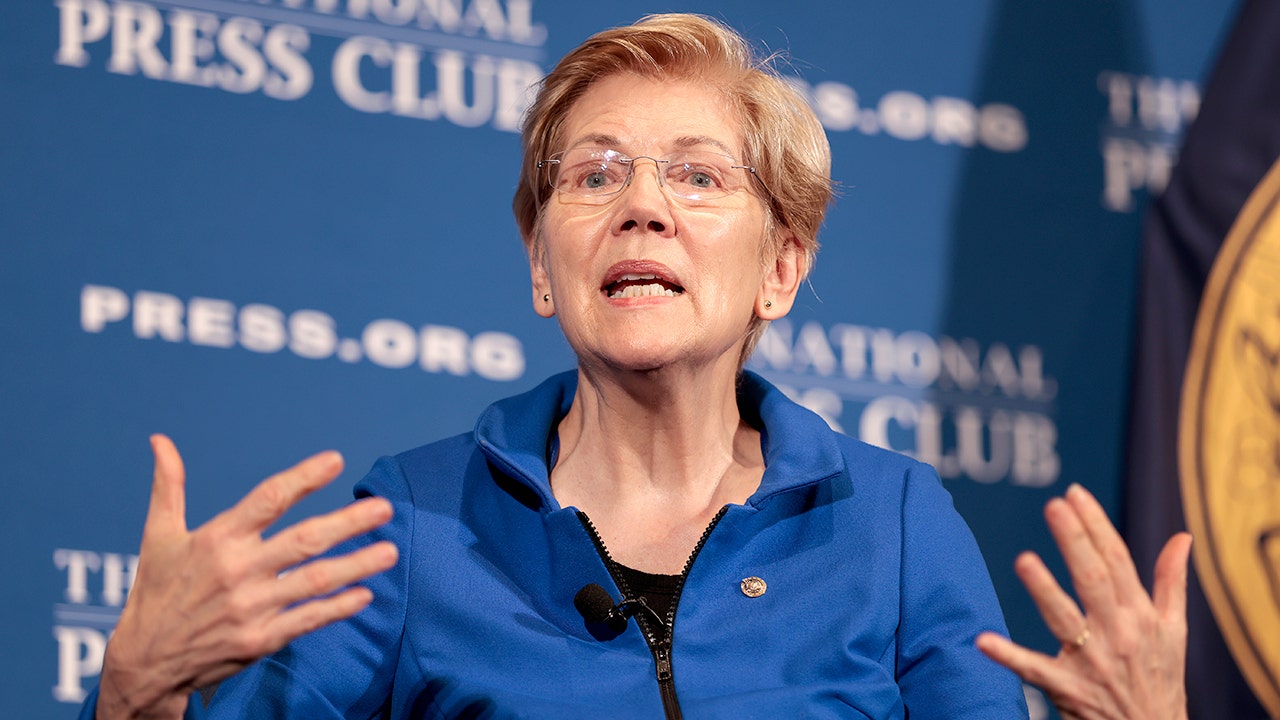
Sen. Elizabeth Warren is urging the Justice Department and Federal Trade Commission to closely review McCormick’s proposed $45 billion acquisition of Unilever’s foods business. The deal would combine brands including Frank’s RedHot, Cholula, Hellmann’s, and Knorr, potentially creating a major pantry-staples company. Warren warns that reduced competition could mean fewer choices and higher grocery prices, while online users mocked the concern as “Big Condiment.” The transaction, announced in March, is expected to close by mid-2027 if regulators and shareholders approve it.
Watchmen Signals
Biblical Context
The proposed merger raises questions about concentrated economic power, fair dealing, consumer welfare, and the proper oversight of commercial conduct. Scripture does not address modern antitrust law or this particular transaction, but it does treat honest economic practices and protection against exploitation as serious moral concerns. Proverbs 11:1 condemns dishonest scales, expressing a broader principle that commercial dealings should be fair rather than manipulative. That principle can illuminate concerns about whether market power is used to impose unfair terms, although the passage does not establish that this merger would be dishonest or unlawful. Amos 8:4-6 rebukes merchants who exploit vulnerable people through commercial practices and price manipulation. The context concerns oppression of the poor, so it should not be applied mechanically to an ordinary corporate merger. It nevertheless supports careful attention to whether economic consolidation harms households with limited purchasing power. The supplied facts do not show such harm has occurred or that the companies intend it. Romans 13:1-4 describes governing authorities as having a legitimate role in restraining wrongdoing and maintaining public order. This provides a general basis for recognizing the legitimacy of government oversight, including review of major commercial combinations, without implying that every regulatory decision is automatically righteous or that Scripture endorses a particular economic policy. Taken together, these passages support concern for fair economic conduct and responsible public oversight. They do not identify the McCormick–Unilever proposal as prophetic, nor do they determine whether regulators should approve it. The strongest connection is ethical and institutional rather than predictive.
Biblical Sources
Scripture references supporting the biblical context above.
Amos condemns merchants who exploit the poor through unjust commercial practices and manipulation of prices or measures. The passage gives moral context for considering how economic consolidation might affect vulnerable consumers, while the article does not prove such exploitation.
The condemnation of dishonest scales supports the principle that commercial dealings should be fair and not exploitative. It relates to concerns about market conduct, though it does not establish that the proposed merger is dishonest.
Paul recognizes governing authorities as having a role in restraining wrongdoing and maintaining public order. This broadly illuminates antitrust review by government agencies without endorsing any particular regulatory outcome.
Comments
No comments yet.
Sign in to join the conversation.
Sign In