Albania rioters clash with police for Socialist government as European unrest spreads
Summary
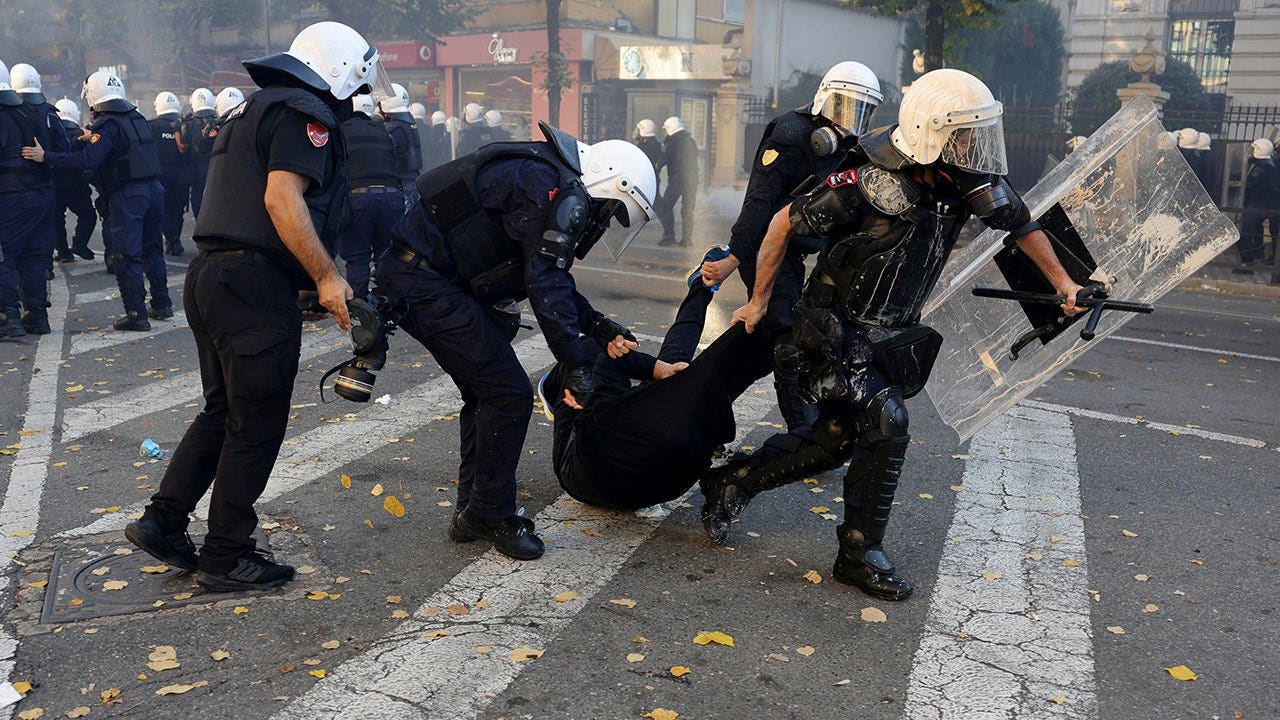
Anti-government protests in Tirana, Albania, entered a third consecutive day as demonstrators demanded Prime Minister Edi Rama’s resignation over corruption allegations, economic hardship, education costs, and political favoritism. Police used tear gas and water cannons after protesters threw rocks and earlier attacked government buildings, banks, and businesses. Wednesday’s unrest reportedly injured 89 people, including 61 police officers. Rama rejected calls to resign, citing his electoral mandate and EU-membership agenda. An EU delegation urged authorities to respond proportionately.
Watchmen Signals
Biblical Context
The reported allegations of corruption, misuse of public funds, political favoritism, poverty, and inadequate public services connect meaningfully with Scripture’s repeated concern for just government and the protection of vulnerable people. Isaiah 1:23 condemns rulers who are rebellious and accept bribes while neglecting the needy; Amos 5:11-15 likewise denounces exploitation and calls those in authority to establish justice. These passages do not prove that the allegations against Albania’s government are true, but they explain why corruption and neglect of public welfare are serious moral issues. Scripture also places real responsibility on governing authorities. Romans 13:1-4 describes civil government as having a duty to restrain wrongdoing and serve the public good. That principle is relevant both to the government’s obligation to address corruption and public grievances and to its responsibility to protect people and property during unrest. It does not grant unlimited approval to every government action, nor does it determine whether police tactics in this incident were proportionate. The protesters’ grievances and their methods should be assessed separately. James 2:1-9 emphasizes impartial concern for the poor and warns against favoritism, which bears on claims that ordinary citizens have been disadvantaged while political or economic elites benefit. At the same time, Romans 12:18-21 teaches believers to pursue peace and reject retaliation, while 1 Peter 2:13-17 calls for respect for lawful authority and honorable conduct. These texts do not establish a comprehensive biblical law governing modern demonstrations, but they weigh against attacks on buildings, threats to public safety, and retaliatory violence while preserving the legitimacy of seeking justice. No specific biblical prophecy is identified by the reported Albanian protests. Political unrest, corruption, and clashes with police are recurring features of human societies and do not, by themselves, correspond to a particular prophetic passage or demonstrate prophetic fulfillment.
Biblical Sources
Scripture references supporting the biblical context above.
Urges honorable conduct and respect for lawful authority while emphasizing the duty to do good; relevant to the relationship between public protest, law, and civil authority.
Denounces exploitation and injustice and calls for justice to be established; relevant to claims involving poverty, political favoritism, and misuse of power.
Condemns corrupt rulers who pursue bribes and fail to defend the vulnerable; relevant to the reported allegations of corruption and neglect of public needs.
Rejects favoritism and commands concern for the poor; relevant to reported claims that elites benefit while ordinary citizens face hardship.
Calls for peace and rejects personal retaliation; relevant to the reported violence, property destruction, and confrontation between protesters and police.
Describes the responsibility of governing authorities to restrain wrongdoing and serve the public good; relevant to both government accountability and the duty to protect public safety.
Comments
No comments yet.
Sign in to join the conversation.
Sign In