Obama's billion-dollar baby: Chicago center's price tag hits monumental milestone, tripling original estimate
Summary
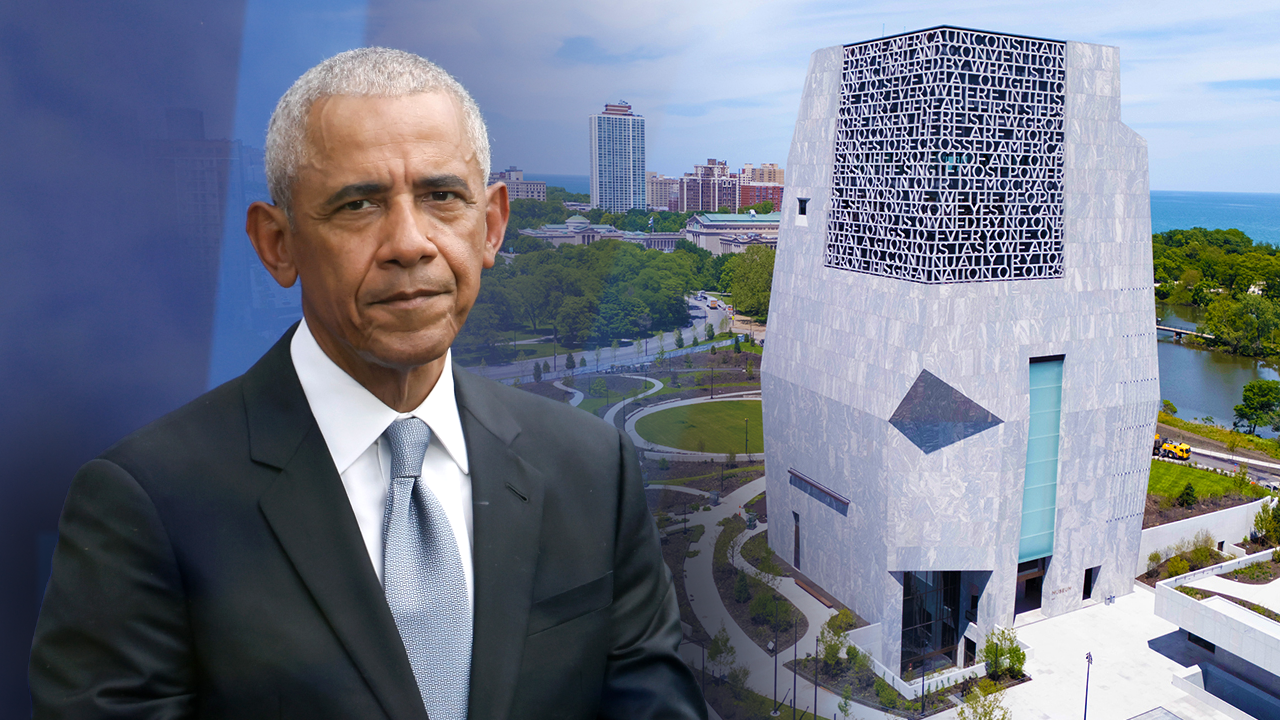
The Obama Presidential Center in Chicago is now projected to cost about $1 billion, nearly triple its original $300 million–$350 million estimate. The Obama Foundation attributes the increase to expanded scope, public art, insurance, project management, and other costs. Audited records show roughly $909 million in construction-related expenses by the end of 2025, while donations declined and borrowing increased. Critics also question the use of public parkland, an underfunded maintenance endowment, and unresolved payment disputes involving subcontractors, including a plumbing company seeking $1.72 million.
Watchmen Signals
Biblical Context
The reported cost escalation, stewardship questions, public-resource arrangement, and disputed worker payments connect meaningfully with biblical teaching about accountability and justice, but they do not establish a prophetic development. Jesus’ parable of the talents emphasizes that entrusted resources are to be managed faithfully and accounted for, not merely possessed. Matthew 25:14-30 does not prescribe a modern nonprofit budget or endorse a particular funding model, but it provides a relevant principle for evaluating how leaders handle substantial resources entrusted to an institution. Luke 14:28-30 is also directly pertinent to the practical question of estimating costs before undertaking a major construction project: Jesus uses the example of a builder calculating whether he has enough to complete the work. This is a principle of prudent planning, not a claim that every cost overrun is morally blameworthy. The allegations involving unpaid or disputed subcontractor compensation are more directly addressed by James 5:4, which condemns withholding wages from workers who have performed labor. The passage concerns unjust deprivation and does not by itself determine whether the claims in this case are valid. Here, the report presents allegations by a subcontractor and responses from the foundation and construction manager; the biblical principle applies to the duty of fair payment if the disputed work and amounts are ultimately established. First Corinthians 4:2 states that stewards must be found faithful. That principle fits the foundation’s responsibility to explain construction spending, borrowing, reserves, endowment plans, and ongoing operating obligations to donors and the public. Proverbs 11:1 likewise condemns dishonest measures, supporting the broader importance of accurate and transparent financial representations, though the article does not prove deliberate deception. The use of public parkland introduces questions about authority and protection of the public interest. Romans 13:1-4 recognizes governing authorities as having a legitimate role in administering public order, but it does not automatically validate every government decision or private-public arrangement. Accordingly, Scripture supports scrutiny of how public authority and resources are exercised without dictating the legal outcome of the Chicago agreement. No specific biblical prophecy is reasonably identified in these facts; the story concerns financial administration, construction disputes, and public stewardship rather than a recognizable prophetic event or pattern.
Biblical Sources
Scripture references supporting the biblical context above.
Paul teaches that stewards must be faithful. This supports the importance of responsible administration and transparent reporting by an organization managing donated resources and a major public-facing institution.
James condemns withholding wages from workers who have performed labor. The principle is relevant to the subcontractor payment claims, while the article leaves the underlying contractual facts disputed.
Jesus uses a builder’s need to calculate the cost before beginning construction as an illustration of prudent planning. This relates to the project’s major cost escalation, though it does not by itself prove wrongdoing.
Jesus’ parable of the talents teaches accountability and faithful management of resources entrusted to servants. It provides a relevant stewardship principle for evaluating the handling of the foundation’s substantial funds and assets.
The condemnation of dishonest scales expresses a broader biblical requirement for truthful and fair dealings. It is relevant to financial disclosure and representations, although the supplied report does not establish intentional deception.
Paul describes governing authorities as having a legitimate public role. The passage helps frame, but does not resolve, questions about Chicago’s decision to make public land available for the center and the accountability of public officials.
Comments
No comments yet.
Sign in to join the conversation.
Sign In