Bradley Chubb's detailed version of Alaric Jackson punch incident paints Rams lineman as a hothead
Summary
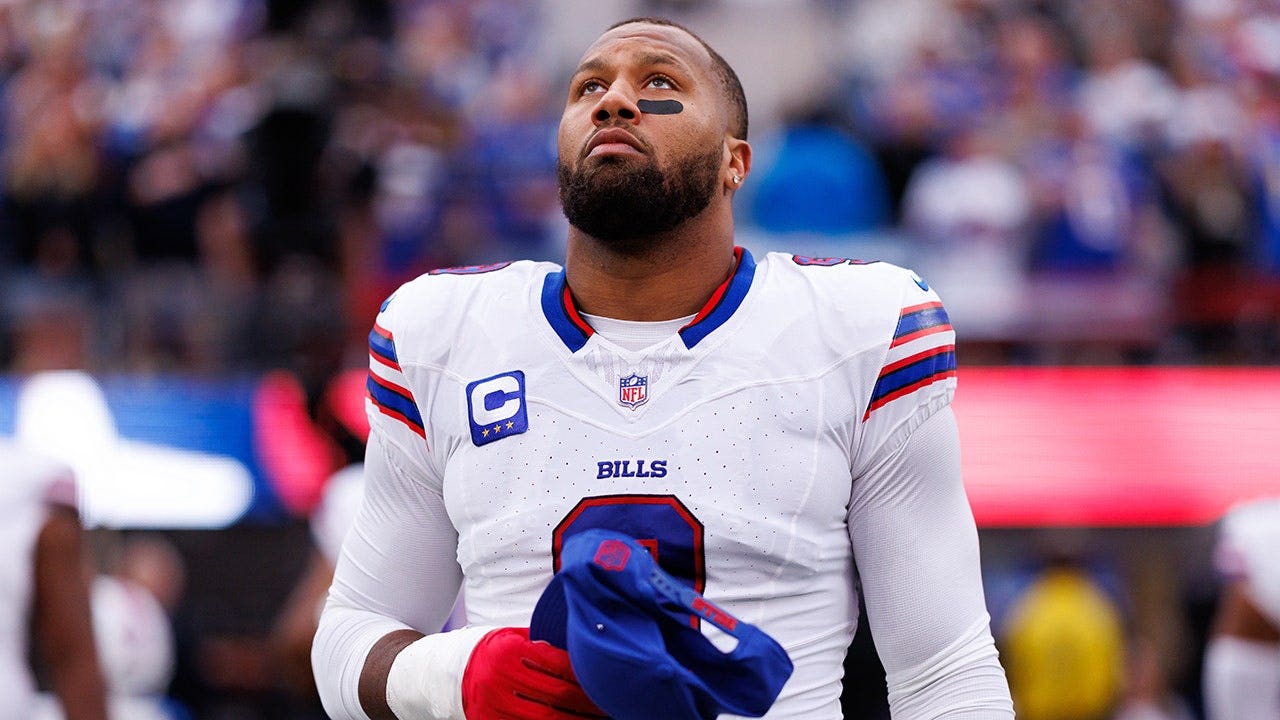
Rams offensive tackle Alaric Jackson received a one-game NFL suspension after punching Buffalo Bills linebacker Bradley Chubb during a heated fourth-quarter exchange. The league reduced the original two-game penalty on appeal. Chubb acknowledged that both players exchanged trash talk but said Jackson approached him and threw the punch; Chubb chose not to retaliate. The report also notes Jackson’s prior 2024 suspension and describes a 2026 domestic-disturbance arrest that did not result in formal charges after diversion proceedings.
Watchmen Signals
Biblical Context
The reported sequence—verbal provocation followed by a punch, followed by a decision not to retaliate—connects directly with biblical teaching about anger, self-control, and responding to wrongdoing. James 1:19-20 urges people to be “quick to hear, slow to speak, slow to anger,” explaining that human anger does not produce God’s righteousness. That principle applies to both the trash talk acknowledged by Chubb and Jackson’s alleged escalation from words to physical violence. It does not determine whose account is accurate, but it identifies anger as a danger requiring restraint. Proverbs 16:32 treats self-control as greater than physical dominance, while Proverbs 14:29 contrasts patient restraint with quick-tempered behavior. These passages illuminate Chubb’s reported decision to think about the situation and avoid punching back, even after being struck. They also provide a relevant moral framework for evaluating Jackson’s alleged loss of control without making a judgment about his motives or character beyond the reported conduct. Romans 12:17-21 and Matthew 5:39 teach against personal retaliation and call for overcoming evil without returning harm for harm. Chubb’s choice not to retaliate is consistent with that principle, although the article does not establish that he acted from specifically religious conviction. Proverbs 15:1 also warns that a gentle answer can turn away wrath, which is relevant to the broader escalation from mutual verbal provocation to physical confrontation. Scripture addresses the conduct and moral principles involved, but no specific prophetic passage is meaningfully implicated by this routine sports-discipline story.
Biblical Sources
Scripture references supporting the biblical context above.
Calls for being slow to anger and explains that human anger does not produce God’s righteousness; this directly relates to the reported verbal escalation and punch.
Jesus teaches non-retaliation in response to personal offense, providing a direct ethical comparison to Chubb’s reported restraint.
Contrasts patience and understanding with quick-tempered conduct, relevant to the confrontation and alleged impulsive punch.
Contrasts a gentle response with words that stir up anger, relevant to the role of verbal provocation in the altercation.
Praises self-control over physical strength, supporting analysis of Chubb’s reported decision not to retaliate.
Teaches believers not to repay evil with evil and not to seek personal vengeance; this relates to Chubb’s reported refusal to strike back.
Comments
No comments yet.
Sign in to join the conversation.
Sign In