7 Takeaways From an Investigation Into Financial Aid at Texas Hospitals
Summary
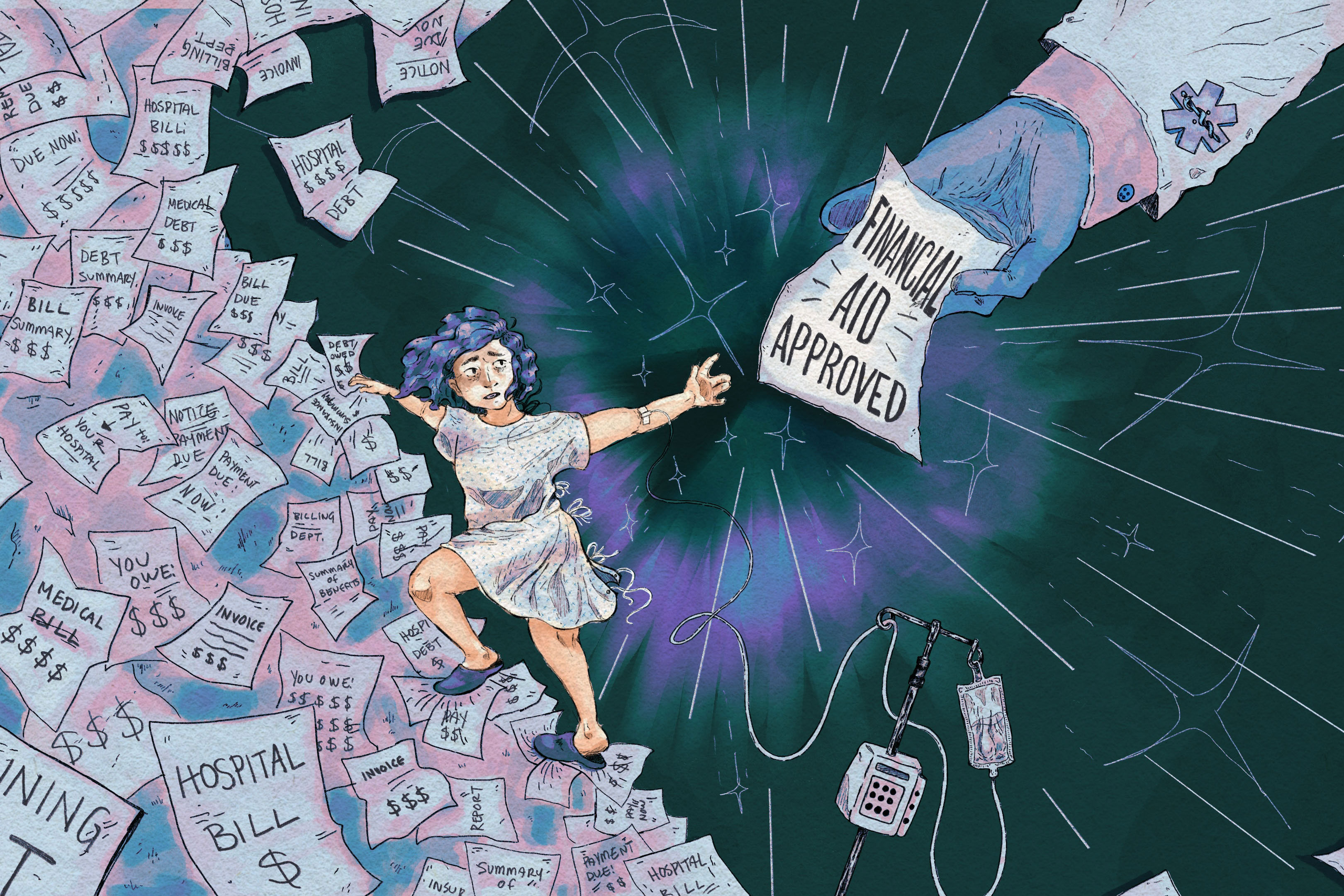
A Tradeoffs and KFF Health News investigation examined financial-assistance policies at 166 nonprofit hospitals in Texas. It found that 44% may bill patients before screening them for free or discounted care, while only 10 hospitals guarantee full refunds when patients later qualify. Several systems do not notify patients when debts are automatically forgiven, eligibility standards vary widely, and some policies provide less aid to automatically screened patients than to applicants. The findings come as Texas considers requiring nonprofit hospitals to use presumptive eligibility amid widespread medical debt and expected insurance losses.
Watchmen Signals
Biblical Context
The central issues are whether vulnerable people can obtain needed help, whether financial procedures are administered fairly, how institutions treat people who cannot pay, and whether debt burdens are compounded by opaque or coercive practices. Scripture does not address modern hospitals or charity-care screening directly, but it repeatedly addresses justice toward the poor, protection from exploitation, mercy, and impartial treatment. Leviticus 19:15 calls for impartial judgment and forbids favoring either the poor or the powerful. That principle does not dictate a particular hospital policy, but it supports examining whether complicated procedures and inconsistent standards cause patients to be treated differently based on their resources or ability to navigate bureaucracy. Deuteronomy 15:7-11 and Proverbs 19:17 commend openhanded concern for people in poverty. These passages speak primarily to personal and community generosity rather than imposing a specific government mandate on hospitals. They nevertheless provide a meaningful ethical backdrop for the investigation’s question: whether institutions that possess the ability to reduce hardship make assistance realistically accessible to people who cannot afford medical bills. Leviticus 25:35-43 instructs the Israelites to support impoverished members of the community and not treat them as ordinary profit-making laborers or harsh debtors. Its original setting is Israel’s covenant and economic law, so it should not be transferred mechanically to modern healthcare. The underlying concern for preventing poverty from becoming an occasion for exploitation is relevant to reported practices involving collections, payment plans, and medical debt. James 2:1-6 condemns showing partiality in the community, using unequal treatment of a poorly dressed person and a wealthy person as its example. The passage concerns Christian congregational conduct, not hospital administration, but it offers a useful moral comparison where access to help may depend on wealth, documentation, prior payment, or the ability to complete a demanding application. Proverbs 14:31 teaches that oppressing the poor insults their Maker, while showing kindness to the needy honors Him. This is a broad moral principle rather than a direct judgment on any named hospital. It supports taking seriously the article’s reported concern that patients may be pursued for payment, left unaware that debt was forgiven, or prevented from receiving timely care because assistance was difficult to access. These passages do not establish that every hospital involved acted unjustly, nor do they settle whether government should require presumptive eligibility. They also do not erase distinctions between people unable to pay and people unwilling to meet legitimate obligations. They support careful attention to fairness, mercy, transparency, and protection against exploitation without endorsing a particular healthcare financing system.
Biblical Sources
Scripture references supporting the biblical context above.
Calls God’s people to respond generously to poor members of the community; this provides a relevant principle for evaluating whether aid is genuinely accessible, while not prescribing modern hospital policy.
Condemns partiality based on wealth; its church setting is distinct, but the principle bears on unequal access to assistance caused by money, paperwork, or institutional processes.
Requires impartial judgment and relates to whether financial-assistance procedures treat vulnerable patients fairly rather than disadvantaging those with fewer resources.
In its Israelite covenant setting, this passage directs the community to support impoverished people and avoid treating them harshly as debtors, offering a contextual parallel to concerns about medical-debt collection and hardship.
Connects oppression of the poor with dishonoring their Creator and kindness to the needy with honoring Him, supporting ethical scrutiny of practices that may deepen or obscure hardship.
Comments
No comments yet.
Sign in to join the conversation.
Sign In