El Salvador's Bukele announces plan to free up to half of prisoners jailed in gang crackdown
Summary
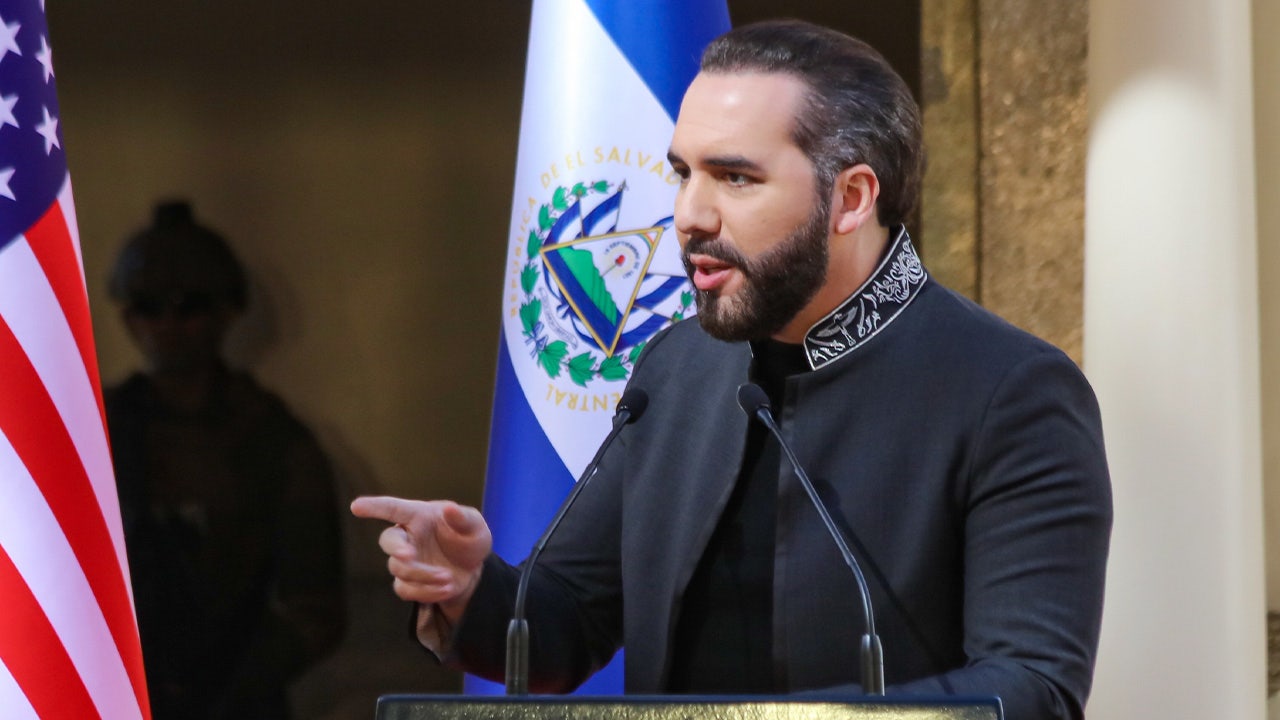
El Salvador’s President Nayib Bukele announced a plan that could conditionally release up to half of the more than 90,000 people detained during the state of emergency declared in March 2022 to combat MS-13 and Barrio 18. Authorities may review cases involving alleged gang collaborators and impose monitoring after release. The crackdown coincided with a sharp fall in reported homicides, but it also restricted legal protections. Human rights groups cite more than 6,000 complaints and at least 575 deaths in government custody, while critics seek compensation for wrongful detention and related harms.
Watchmen Signals
Biblical Context
The reported mass arrests, restrictions on legal safeguards, custody deaths, and proposed releases engage Scripture’s direct concern with governmental authority, impartial justice, and protection from oppression. Romans 13:1-4 recognizes the state’s legitimate responsibility to restrain wrongdoing and protect society; that principle helps explain the government’s stated duty to confront violent gangs, but it does not grant unlimited authority or make every arrest righteous. Rulers remain accountable for whether punishment is actually directed against wrongdoing rather than applied arbitrarily. Deuteronomy 16:18-20 and Exodus 23:6-8 require judges and officials to pursue justice without distortion, partiality, bribery, or the condemnation of the innocent. These passages do not prescribe modern constitutional procedures, but they materially illuminate the article’s allegations that people may have been detained without adequate notice, counsel, or individualized justification. Isaiah 10:1-2 offers a particularly direct warning against officials who enact unjust decrees and deprive vulnerable people of justice. It speaks to the moral danger of emergency powers when legal authority becomes a means of oppression. Proverbs 31:8-9 calls rulers and others with influence to speak for those whose rights are being denied and to judge righteously. Hebrews 13:3 likewise urges believers to remember prisoners and those being mistreated, which supports concern for detainees’ conditions without determining whether particular prisoners are innocent or guilty. Scripture therefore supports both the responsibility to protect the public from violent crime and the obligation to treat detainees justly, verify accusations, and investigate deaths in custody. It does not identify El Salvador’s policy as the fulfillment of a particular prophecy.
Biblical Sources
Scripture references supporting the biblical context above.
Requires judges and officials to administer justice impartially and pursue justice rather than distort it, directly illuminating allegations of arbitrary detention and inadequate legal safeguards.
Prohibits perverting justice, condemning the innocent, and accepting corrupt influence; these principles apply to case reviews, detention decisions, and accountability for state actions.
Commands remembrance of prisoners and those being mistreated, supporting Christian concern for detainee treatment and deaths in custody without presuming every detainee’s guilt or innocence.
Warns rulers who issue unjust decrees and deprive people of justice, providing a specific biblical warning relevant to emergency powers that allegedly produce oppression.
Calls for advocacy and righteous judgment on behalf of people whose rights and welfare are at risk, including those affected by wrongful imprisonment or state abuse.
Describes government authority as having a legitimate role in restraining wrongdoing and protecting public order, while providing a framework for evaluating the state’s claimed duty to combat violent gangs.
Comments
No comments yet.
Sign in to join the conversation.
Sign In