'Mother of all bombs': US potential Iran strike plans include largest non-nuclear weapon - report
Summary
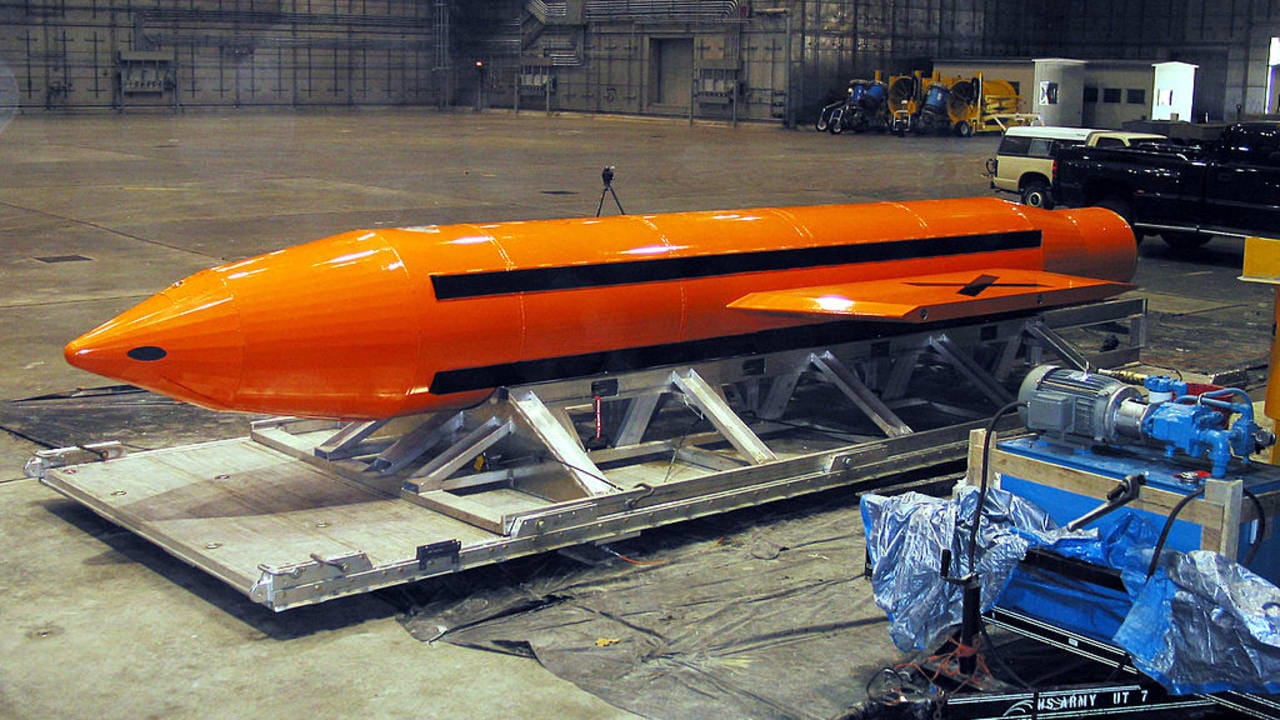
CNN reports that the United States has developed contingency plans for strikes against Iranian energy infrastructure and nuclear sites, potentially including the GBU-43/B MOAB, the largest non-nuclear bomb in the U.S. arsenal. Sources said the plans could involve an attack before American forces withdraw from the region. Officials questioned whether the weapon could penetrate deeply buried facilities such as Iran’s Pickaxe Mountain site, suggesting its principal effect might be psychological. The White House and Pentagon declined to confirm sensitive operational details.
Watchmen Signals
Biblical Context
The potential use of overwhelming military force against another nation engages biblical teaching about government authority, warfare, human motives, and the moral weight of decisions that can cause widespread destruction. Romans 13:1–4 recognizes the governing authority’s responsibility to restrain wrongdoing, but it does not provide automatic approval for every military action; questions of justice, necessity, proportionality, and truth remain important. Luke 14:31–32 uses a king considering war as an illustration of deliberate calculation before committing to conflict. That principle relates to the reported uncertainty over whether the MOAB could accomplish its stated objectives and whether escalation would serve a defensible strategic purpose. James 4:1–2 identifies human desires and conflict as sources of violence, offering a broader moral lens for examining rival national ambitions and the pressure to act. Psalm 46:9 affirms God’s ultimate opposition to the perpetuation of warfare and destruction, while also placing current military developments within a larger theological perspective. These passages address the reality and moral significance of war, state power, and violence; they do not identify this reported plan as a fulfillment of a particular prophecy. The article’s reference to Iran’s nuclear ambitions and possible U.S. military action is therefore biblically relevant without establishing a prophetic correspondence.
Biblical Sources
Scripture references supporting the biblical context above.
James connects conflicts and wars with sinful human desires and disputes. The passage provides a moral framework for considering the motives and consequences behind international confrontation, without assigning a specific motive to the governments in this report.
Jesus refers to a king carefully assessing his ability to wage war before entering conflict. This directly illuminates the reported questions about the MOAB’s effectiveness and the strategic consequences of escalation.
The verse portrays God as the one who ultimately brings wars to an end and breaks instruments of violence. It offers a theological perspective on the destruction threatened by military escalation, rather than a prediction about this particular event.
Paul describes governing authorities as bearing responsibility for public order and, in context, possessing the authority to punish wrongdoing. The passage is relevant to the U.S. government’s contemplated use of military force, while not declaring every governmental action just.
Comments
No comments yet.
Sign in to join the conversation.
Sign In