White House punches back at Chicago Mayor Johnson over reparations demands
Summary
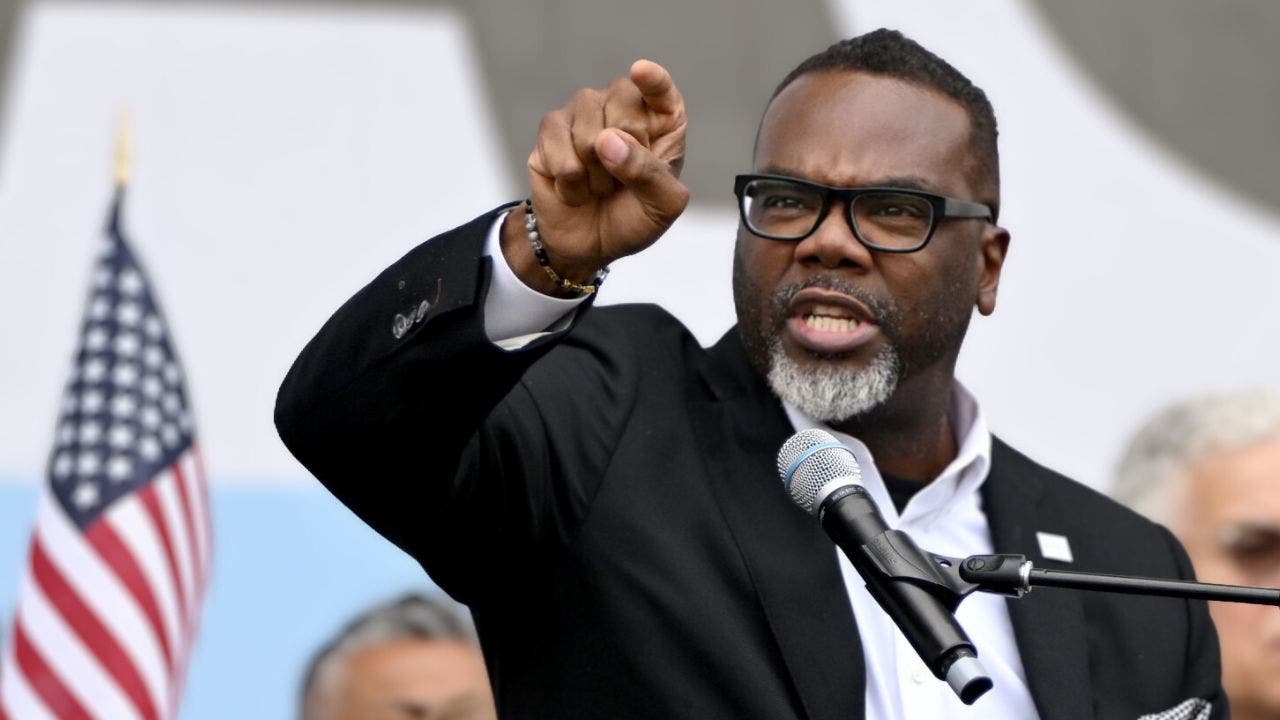
Chicago Mayor Brandon Johnson accused President Trump of favoring wealthy Americans while neglecting descendants of enslaved people, linking reparations demands to housing, health care, education, jobs, and public safety. The White House rejected race-based government payments as unconstitutional and urged Johnson to focus on Chicago crime. Johnson cited declines in homicides, shootings, and robberies, while defending violence-prevention spending and federal firearms enforcement. The dispute also involves Chicago’s reparations task force, Evanston’s tax-funded program, and expanding Justice Department scrutiny of race-conscious local initiatives.
Watchmen Signals
Biblical Context
The central biblical issues are the responsibility of civil authorities to pursue justice, the prohibition of partiality, protection of vulnerable and oppressed people, and the question of restitution for wrongs. Scripture supports concern about historic injustice and governmental abuse, but it does not prescribe a modern race-based reparations program or settle the constitutional dispute described here. Deuteronomy 16:18-20 and Leviticus 19:15 require judges to administer justice impartially rather than favoring either the poor or the powerful. Those passages speak directly to the White House’s claim that public benefits should not be distributed through unjust partiality, while also cautioning that concern for equality cannot become favoritism toward the wealthy or politically influential. James 2:1-9 reinforces the New Testament prohibition against treating people differently because of social status. Isaiah 10:1-2 condemns rulers who enact unjust decrees that deprive the poor and vulnerable of justice. This provides a meaningful biblical lens for evaluating claims that public policy has neglected communities harmed by longstanding discrimination, although the passage does not prescribe a particular remedy or establish hereditary liability for present officials and taxpayers. Romans 13:1-4 describes civil government as an authority responsible for public order and the punishment of wrongdoing. That principle bears on Chicago’s debate over policing, violence intervention, firearms enforcement, and federal-local responsibility. It does not imply that policing is the only legitimate public-safety tool, nor does it validate every government action. Biblical restitution is generally connected to identifiable wrongdoing and the responsible party. Exodus 22:1-4 establishes restitution for specific property offenses, and Luke 19:8 depicts Zacchaeus voluntarily repaying those he defrauded. These passages illuminate the moral seriousness of making amends, but they should not be treated as a direct blueprint for a modern program based on ancestry, broad historical claims, or public taxation. Likewise, 2 Corinthians 8:13-14 presents voluntary Christian sharing aimed at fairness, not a direct mandate for civil-government redistribution. No specific biblical prophecy is meaningfully identified in the reported dispute. The conflict concerns domestic policy, public safety, historical injustice, and federal oversight; those subjects may be morally important without constituting fulfillment of a particular prophetic passage.
Biblical Sources
Scripture references supporting the biblical context above.
Describes voluntary Christian generosity aimed at fairness and relief, useful for distinguishing charitable sharing from compulsory government redistribution.
Requires judges and officials to administer justice and not pervert judgment or show partiality, directly illuminating disputes over equal treatment in public policy.
Provides Old Testament examples of restitution for specific property offenses, helping distinguish biblically grounded restitution from broader modern claims based on inherited or collective responsibility.
Condemns rulers who issue unjust laws and deprive vulnerable people of justice, relevant to claims that government has neglected historically harmed communities.
Condemns partiality based on status and applies the command to love one’s neighbor, providing New Testament guidance for evaluating unequal treatment.
Commands impartial judgment, warning against both favoring the poor and showing deference to the great; it helps assess competing claims about race-conscious government programs.
Shows Zacchaeus voluntarily repaying those he defrauded, illustrating personal restitution without establishing a direct model for government-funded ancestry-based reparations.
Describes civil authority as responsible for public order and punishing wrongdoing, relevant to the dispute over policing, violence prevention, firearms enforcement, and federal-local roles.
Comments
No comments yet.
Sign in to join the conversation.
Sign In