Expert calls California 'Wild West' for surrogacy after couple charged with abusing surrogate-born children
Summary
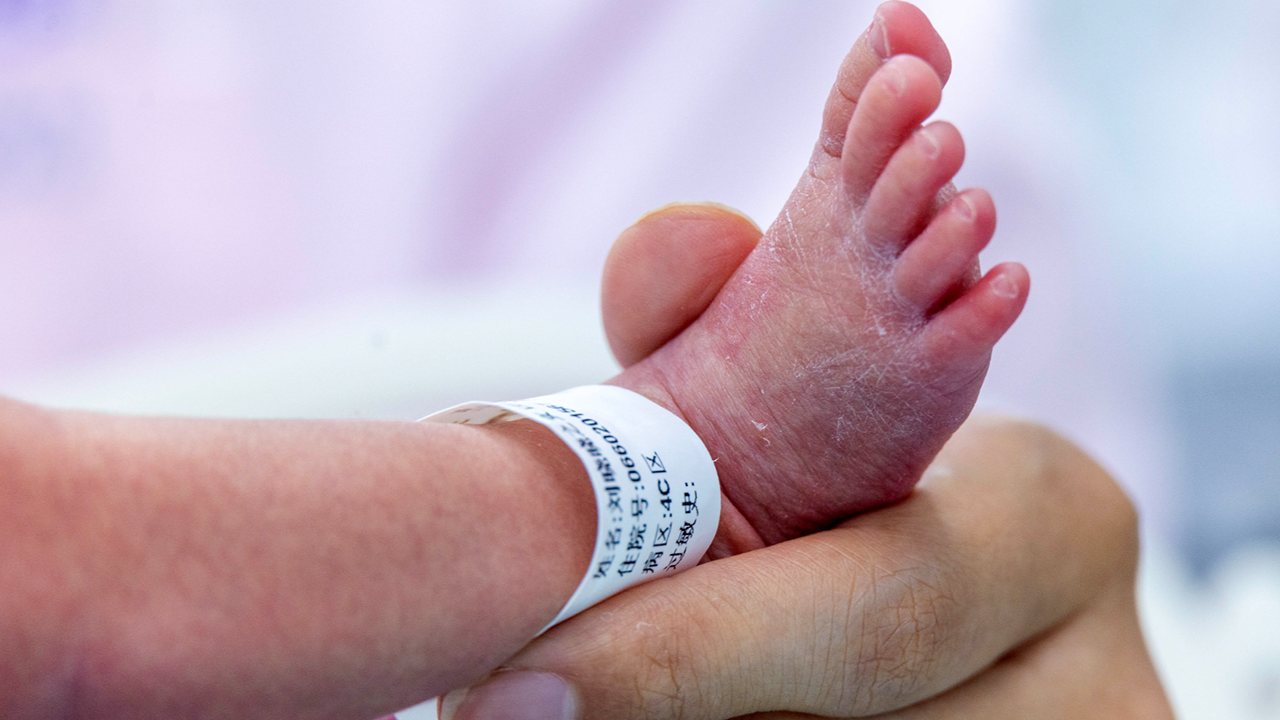
California authorities arrested Guojun Xuan, 66, and Silvia Zhang, 39, accusing them of conspiring to abuse at least 14 children born through surrogacy at their Arcadia home. Prosecutors allege the children, including infants as young as two months, were systematically beaten and punished. The couple also operated an unlicensed surrogacy agency and allegedly used aggressive tactics and false claims to recruit surrogates. The case has renewed criticism of California’s limited oversight of surrogacy agencies and cross-border reproductive arrangements.
Watchmen Signals
Biblical Context
The alleged systematic mistreatment of infants and other vulnerable children directly engages Scripture’s commands to protect the powerless and its severe warnings against causing harm to children. Psalm 82:3–4 calls for defending the weak and rescuing the needy; that principle speaks directly to authorities, caregivers, and institutions responsible for children who cannot protect themselves. Proverbs 31:8–9 likewise calls for speaking up for those unable to speak for themselves and judging fairly, which is relevant to both the alleged victims and the need for impartial legal accountability. Jesus’ warning in Mark 9:42 gives particular weight to the alleged abuse of young children: those who cause a vulnerable believer to stumble face grave judgment. The passage is not a modern criminal statute and does not address surrogacy, but it establishes the seriousness with which Jesus treats harm done to the vulnerable. James 1:27 identifies care for orphans and people in distress as a practical expression of pure religion, offering a broader principle relevant to child protection and compassionate responsibility. The article also raises questions about commercial surrogacy, cross-border arrangements, and inadequate oversight. Scripture does not directly discuss modern reproductive technology or surrogacy, so these matters should not be presented as explicitly settled by a particular biblical verse. Biblical principles concerning human dignity, truthful dealings, and accountability can inform evaluation of the reported conduct, but they do not by themselves determine every legal or policy question about surrogacy. In particular, the article’s allegations of false statements and aggressive recruitment conflict with the biblical obligation to deal truthfully and justly, reflected in Leviticus 19:11 and Micah 6:8. The biblical connection is strongest regarding the alleged abuse and protection of children, not regarding a claim that Scripture directly regulates the surrogacy industry.
Biblical Sources
Scripture references supporting the biblical context above.
Describes care for orphans and people in distress as a central expression of pure and undefiled religion. It supports a Christian obligation to take practical responsibility for vulnerable children.
Prohibits stealing, lying, and acting deceptively toward others. This principle is relevant to the officials’ reported allegations of false statements in surrogate recruitment, while the specific facts remain allegations.
Jesus gives a severe warning against causing a vulnerable believer to stumble. Although it is not a legal rule about surrogacy, it underscores the seriousness of harming children or other vulnerable people.
Summarizes the call to act justly, love mercy, and walk humbly with God. It provides a broad ethical framework for evaluating alleged abuse, exploitation, and the responsibilities of agencies and authorities.
Urges advocacy for people who cannot speak for themselves and impartial judgment for the poor and needy. The principle relates to safeguarding vulnerable children, investigating allegations fairly, and holding responsible parties accountable.
Calls on those exercising authority to defend the weak and vulnerable and rescue them from the hand of the wicked. This directly supports concern for children allegedly subjected to abuse and for institutional protection of those unable to defend themselves.
Comments
No comments yet.
Sign in to join the conversation.
Sign In