DOJ unveils nationwide tax fraud crackdown involving 76 defendants, nearly $500M in alleged losses
Summary
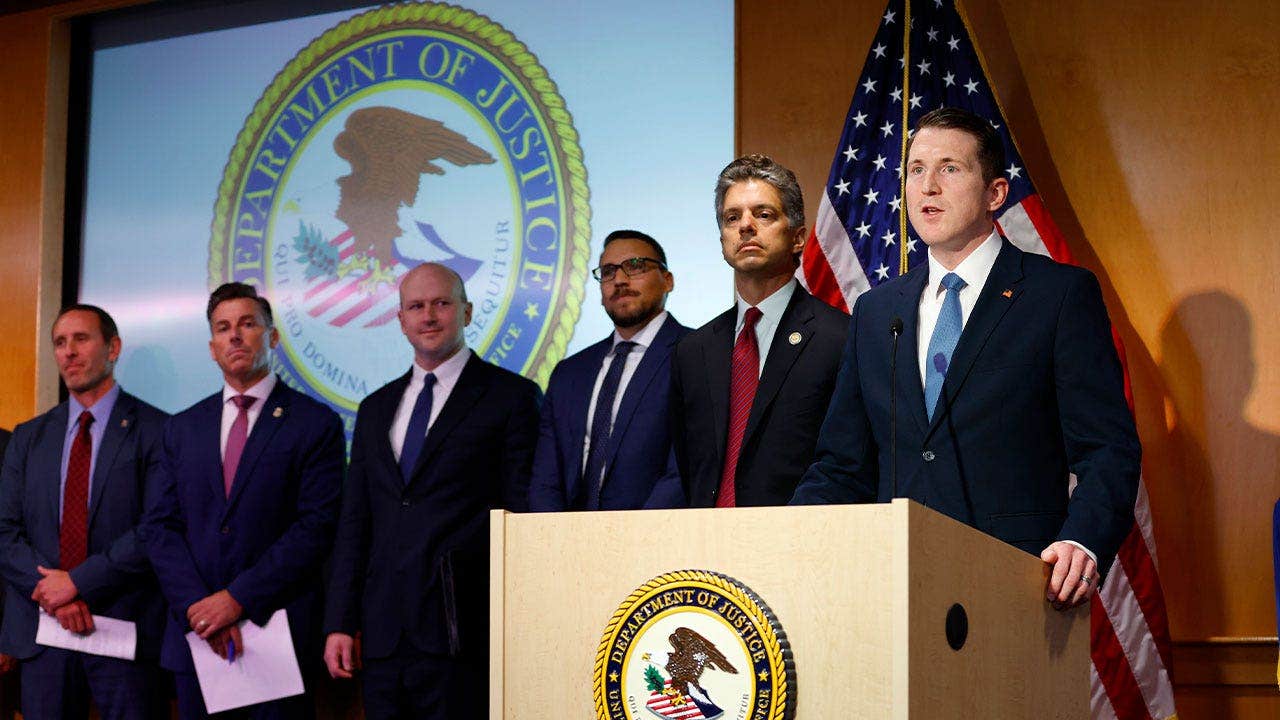
The Justice Department announced a nationwide tax-fraud enforcement operation involving 76 defendants and more than $490 million in estimated intended tax losses. Conducted over roughly six weeks by 35 U.S. attorneys’ offices and IRS criminal investigators, the effort produced 23 new charging actions and included trials, guilty pleas, and sentencings in other cases. Highlighted allegations include a Texas tax-shelter scheme involving more than $1.5 billion in concealed income and a Georgia refund scheme involving approximately $74 million. Authorities plan to pursue assets linked to alleged fraud proceeds.
Watchmen Signals
Biblical Context
The reported conduct directly concerns theft, deception, dishonest financial gain, and the government’s responsibility to punish wrongdoing. The prohibition against stealing in Exodus 20:15 applies plainly to fraudulently obtaining money or property, while Exodus 20:16 addresses false testimony and dishonesty more broadly. Proverbs 11:1 condemns dishonest scales, a principle that reasonably extends to deliberately falsifying financial information for improper gain, though the passage is not a tax statute. The alleged use of false identities and fraudulent returns also conflicts with Leviticus 19:11, which prohibits stealing, dealing falsely, and lying. Deuteronomy 16:19 requires justice to be administered without partiality or bribery; this supports the need for impartial investigation and prosecution, but it does not establish that every government allegation is correct. The article’s account must therefore be distinguished from a judicial determination of guilt. Romans 13:1-4 describes civil authorities as having a legitimate role in restraining wrongdoing and administering justice. That principle is relevant to the Justice Department and IRS pursuing alleged financial crimes. Jesus’ instruction to give to Caesar what belongs to Caesar in Matthew 22:21 supports the general obligation to meet lawful public duties, including taxes, although it does not endorse every tax policy or prove the accuracy of any particular assessment. The article presents a law-enforcement response to alleged violations, not a fulfillment of a specific biblical prophecy.
Biblical Sources
Scripture references supporting the biblical context above.
These verses require impartial justice and prohibit perverting judgment or accepting bribes, supporting the importance of fair governmental enforcement while cautioning against assuming allegations are proven.
These commandments prohibit stealing and bearing false witness, directly supporting the biblical relevance of alleged fraudulent tax filings, identity misuse, and deceptive financial schemes.
The verse prohibits stealing, dealing falsely, and lying, principles directly applicable to the alleged concealment of income and fraudulent refund claims.
Jesus distinguishes obligations owed to governing authorities, supporting the general principle that lawful taxes should not be evaded; the verse does not validate every government tax claim or policy.
The condemnation of dishonest scales provides a broader biblical principle against manipulating financial dealings for unjust gain; its connection to modern tax fraud is thematic rather than a direct tax regulation.
Paul describes governing authorities as responsible for restraining wrongdoing and administering justice, which relates to federal investigation and prosecution of alleged fraud.
Comments
No comments yet.
Sign in to join the conversation.
Sign In