Netanyahu Says He Opposes Preemptive Iran Strike Before Israel’s Election
Summary
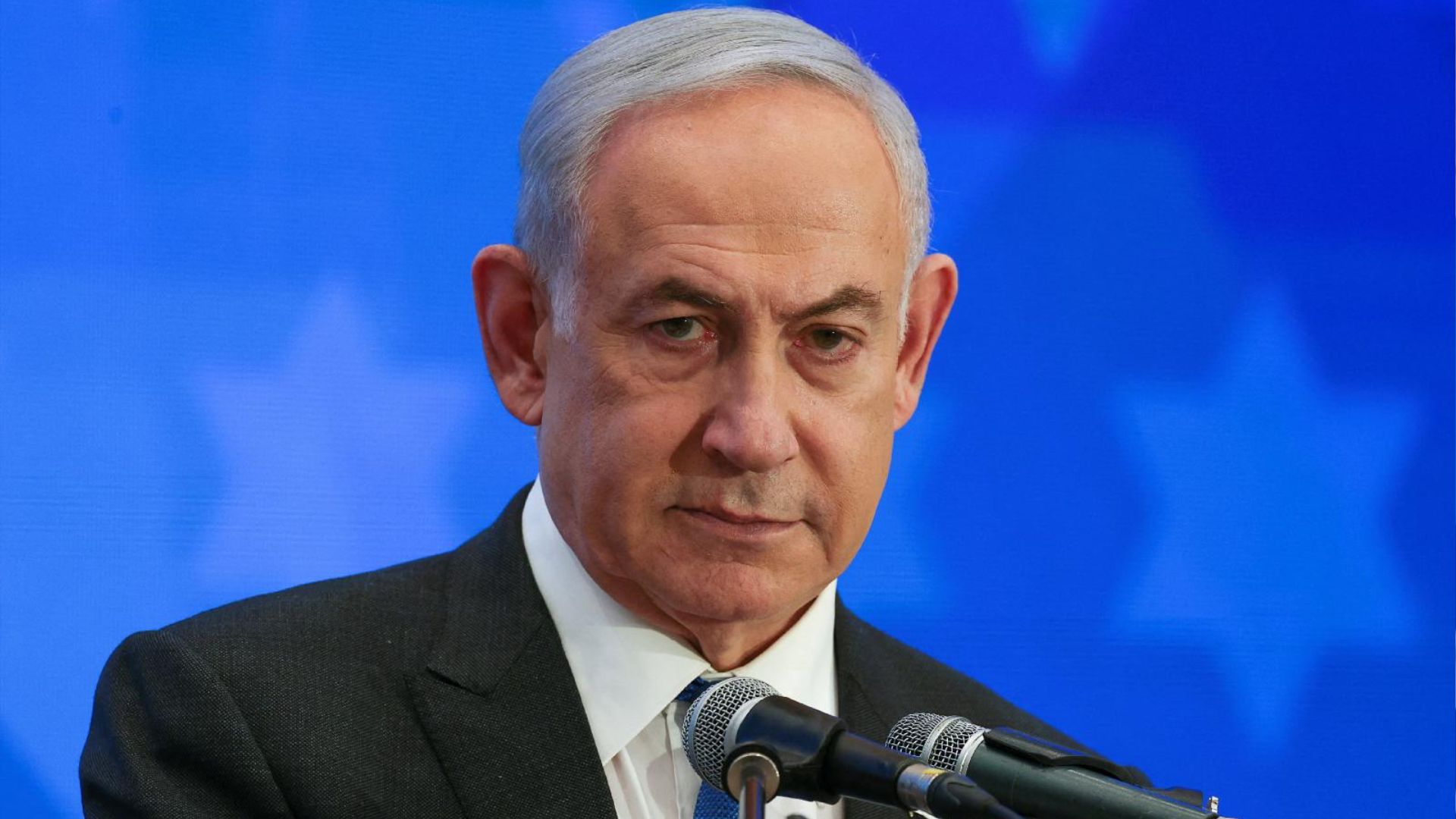
Israeli Prime Minister Benjamin Netanyahu said on October 14 that he opposed launching a preemptive strike against Iran before Israel’s October 27 election. He rejected accusations from political opponents that he was encouraging confrontation for electoral advantage, while warning that Israel would respond forcefully if attacked. Netanyahu did not address whether military action might follow the election or disclose recent discussions with Washington. He also avoided confirming reports that Israel was helping Saudi Arabia defend against Houthi attacks, citing broader regional cooperation with Israel.
Watchmen Signals
Biblical Context
Israel’s security decisions, the possibility of regional war, and cooperation among Middle Eastern governments are subjects Scripture addresses at the level of national authority, warfare, justice, and the pursuit of peace. Romans 13:1-4 presents governing authorities as responsible for public order and recognizes the serious use of force against wrongdoing; it does not, however, automatically approve every military decision. That principle helps frame Israel’s stated deterrence posture without deciding whether a strike would be justified. Jesus’ illustration in Luke 14:31-32 depicts a king considering carefully whether he is able to meet an opposing army. The passage is chiefly about the cost of discipleship, not a direct rule for modern foreign policy, but it offers a limited and clearly indirect parallel to the prudence involved in weighing military action. Matthew 5:9 commends peacemaking, while 1 Timothy 2:1-2 urges prayer for rulers so that societies may experience peace and stability. These passages support concern for restraint and peaceful governance, but they do not identify the reported events as fulfillment of a particular prophecy. The article’s references to Israel, Iran, Saudi Arabia, and the Houthis establish a genuine connection to biblical themes involving Israel and international conflict. They do not, on the facts supplied, establish the distinctive coalition, timing, or events required to connect this episode to a specific prophetic passage.
Biblical Sources
Scripture references supporting the biblical context above.
Urges prayer for rulers so that people may live peaceful and orderly lives, relating to the article’s focus on national leaders, elections, and the risk of war.
Jesus uses a king assessing an approaching conflict to illustrate the importance of soberly counting the cost. The connection to military decision-making is indirect because the passage’s primary subject is discipleship.
Jesus blesses peacemakers, providing a relevant moral emphasis on pursuing peace amid reported threats and regional tensions.
Describes governmental authority, its responsibility to restrain wrongdoing, and its possession of the sword; this provides relevant context for evaluating a state’s security and military responsibilities without endorsing every policy.
Comments
No comments yet.
Sign in to join the conversation.
Sign In