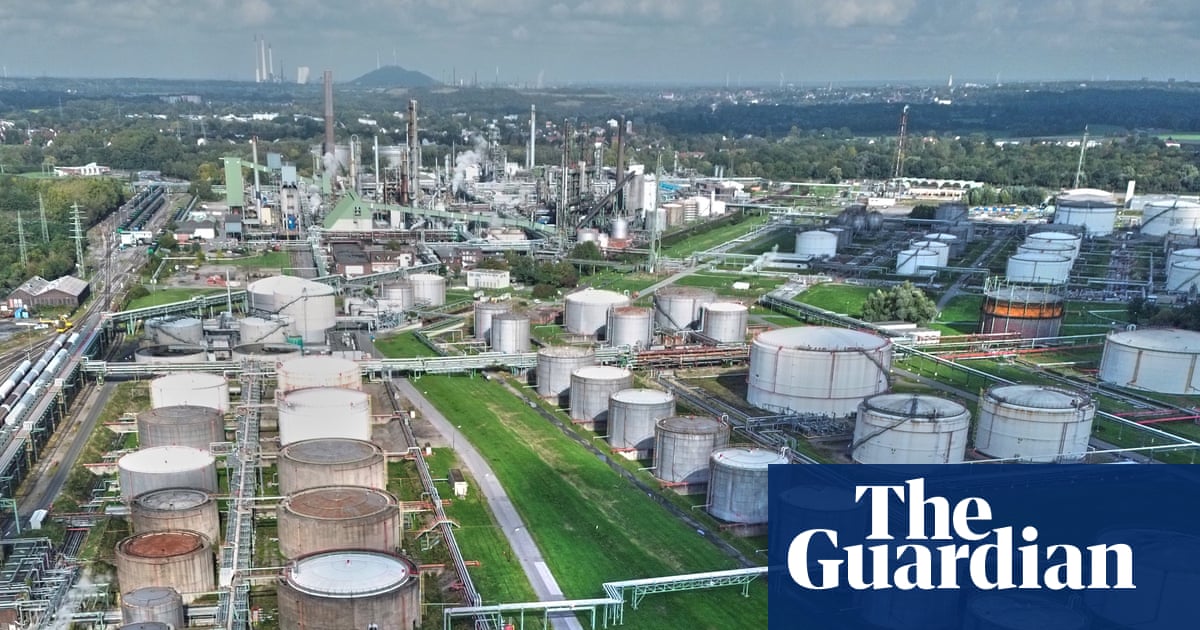
‘From liabilities to goldmines’: refineries eye record profits from diesel shortage
Summary
The International Energy Agency warns that a global diesel shortage could persist into 2027 after war-damaged refineries in the Middle East and Russia, export restrictions, and shrinking fuel inventories reduced supplies. The disruption has pushed diesel prices and inflation higher, affecting farmers, transport operators, manufacturers, and consumers. Some Western refiners, particularly in the United States and Europe, are benefiting from unusually wide refining margins and strong share-price gains. However, the IEA says shifting refinery production toward diesel could eventually create a gasoline shortage instead.
Watchmen Signals
Biblical Context
War-related disruption, scarcity, rising costs, and unequal economic effects are conditions Scripture addresses directly through teachings on justice, provision, stewardship, and the treatment of vulnerable people. The reported consequences for farmers, transport workers, and consumers fit the biblical concern that economic pressures can weigh most heavily on people with fewer resources. Amos condemns merchants who exploit the poor through dishonest or abusive commercial practices (Amos 8:4-6). That passage does not mean that every high price or refinery profit is unjust, and the supplied text does not prove that the companies acted fraudulently. It does, however, provide a relevant standard for evaluating whether scarcity is accompanied by manipulation, withholding, or exploitation of those who depend on essential goods. James likewise warns wealthy people who accumulate riches while benefiting from the deprivation of laborers (James 5:1-6). The connection is principial rather than accusatory: the article reports substantial gains for some refiners while households and businesses face higher costs, but it does not report unpaid wages, coercion, or specific wrongdoing. Profit during a shortage is therefore not automatically condemned by this passage; accountability depends on how the profit is obtained and whether others are wronged. Jesus’ teaching about entrusted resources in the parable of the talents emphasizes responsible stewardship and accountability (Matthew 25:14-30). Applied cautiously, it can illuminate the importance of managing productive assets—such as refineries and fuel capacity—in ways that serve legitimate needs. The passage is primarily about faithfulness before God, not a technical endorsement of any particular energy policy or company strategy. The article’s references to food, transportation, and household economic pressure also invite the broader biblical duty to show practical concern for people in need. Scripture distinguishes voluntary generosity and personal responsibility from government policy, and it does not provide a simple modern blueprint for managing fuel markets. Its clearest contribution here is ethical: scarcity and commercial success do not remove obligations of honesty, compassion, and accountability. No specific prophetic passage is established by these facts; the presence of war and shortages alone is too general to identify prophetic fulfillment.
Biblical Sources
Scripture references supporting the biblical context above.
Condemns commercial practices that exploit the poor and manipulate the sale of essential goods. It provides a relevant ethical standard for considering whether scarcity-driven pricing or market behavior harms vulnerable people, without proving such misconduct occurred here.
Warns wealthy people whose accumulated wealth is connected with injustice and deprivation, including the mistreatment of workers. The passage supports accountability for profits made amid hardship, but the article does not establish the specific abuses James condemns.
Jesus’ parable presents entrusted resources as requiring faithful and accountable stewardship. It can cautiously illuminate the responsible management of productive infrastructure, while its primary context concerns spiritual faithfulness rather than energy-market policy.
Comments
No comments yet.
Sign in to join the conversation.
Sign In