Mamdani, City Council move to end iconic NYC horse-drawn carriage industry as workers face uncertain future
Summary
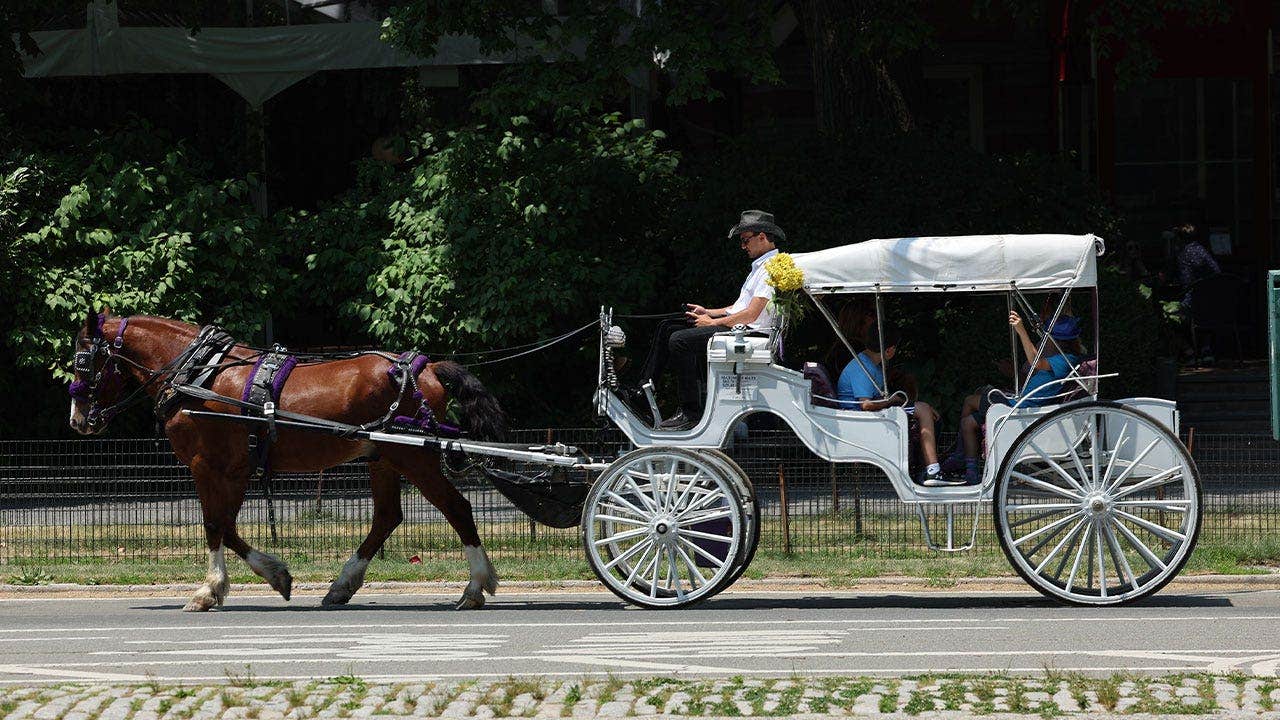
New York City Mayor Zohran Mamdani and City Council Speaker Julie Menin reached an agreement to seek a ban on horse-drawn carriage operations beginning June 1, 2028. The City Council is scheduled to vote on the proposal, known as Romanch’s Law, on October 22. The measure follows the June death of 18-year-old tourist Romanch Mahajan in a Central Park carriage crash and other reported horse-related incidents. It would require a workforce transition plan, but would not guarantee compensation for carriage owners, drivers, or stable workers.
Watchmen Signals
Biblical Context
The proposal brings several concrete concerns into view: the treatment and safety of working animals, the protection of human life, the authority of civil government to regulate dangerous activities, and the obligation to deal fairly with workers affected by a policy change. Proverbs 12:10 treats care for animals as a matter of righteous conduct, while Deuteronomy 25:4 prohibits muzzling an ox while it is working. These passages do not prescribe a modern policy toward carriage horses, but they support the principle that animals used for human benefit should not be treated as disposable or subjected to needless cruelty. Reports of horses collapsing, dying, or being involved in collisions therefore have a legitimate biblical connection, although the article does not independently establish the cause or preventability of every incident. Romans 13:1-4 describes governing authorities as having responsibility to restrain wrongdoing and protect public order. That principle is relevant to the city’s stated public-safety rationale, but it does not automatically validate either a ban or the opponents’ preferred regulatory approach. The proper application depends on whether the policy is proportionate, evidence-based, and administered justly. Scripture also gives weight to the livelihoods of people who work. James 5:4 condemns the exploitation of laborers whose wages are withheld; it does not require governments to guarantee compensation whenever an industry is ended. Still, the passage underscores why officials should take seriously the economic consequences for carriage drivers, owners, and stable workers rather than treating the transition as costless. The article reports proposed counseling, training, and job referrals, but no guaranteed payouts. These are meaningful biblical connections to justice, stewardship, and public responsibility, not evidence that the legislation fulfills a biblical command or prophecy.
Biblical Sources
Scripture references supporting the biblical context above.
The law protecting an ox while it works illustrates a biblical concern that working animals not be denied humane treatment. It is a principle, not a direct ruling on modern carriage operations.
James condemns the unjust withholding of workers’ wages. While the passage does not require compensation for every policy-driven job loss, it highlights the moral seriousness of protecting workers from economic injustice.
The proverb commends righteous care for animals, supporting careful consideration of the welfare and safety of horses used in the carriage industry.
Paul describes civil authorities as responsible for public order and the restraint of wrongdoing, providing context for the city’s claimed responsibility to address alleged safety risks.
Comments
No comments yet.
Sign in to join the conversation.
Sign In