Bipartisan senators demand Trump scrap Russia diesel deal, call it 'betrayal' of US allies
Summary
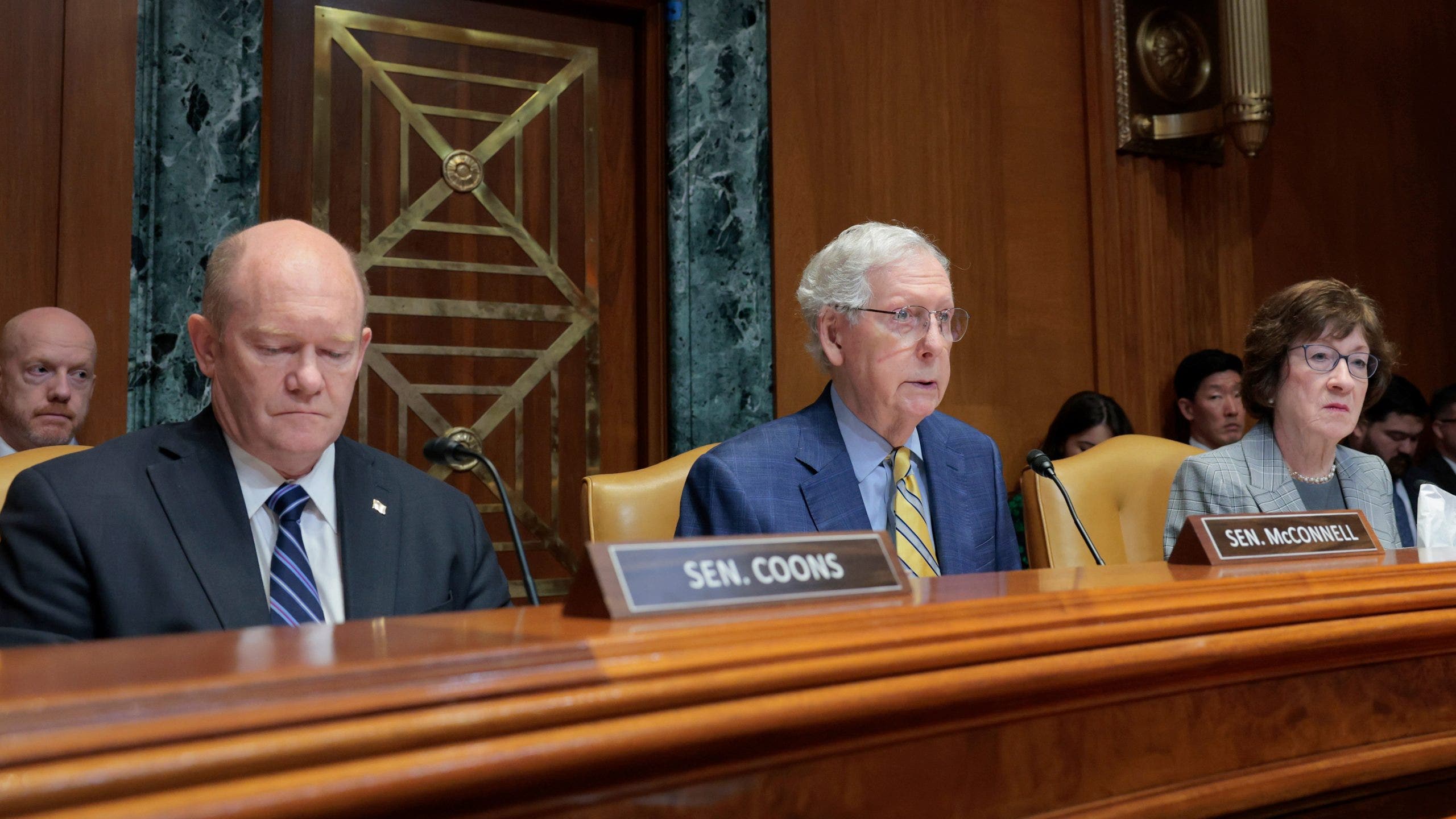
A bipartisan group of U.S. senators is urging President Donald Trump to rescind Treasury General License No. 135, which reportedly allows Russian diesel exports to reenter global markets. The senators argue that the arrangement would provide revenue for Vladimir Putin’s war against Ukraine while offering Americans little relief from fuel costs. Trump said Russia would supply millions of tons of diesel and predicted sharply lower prices. The White House had not responded to Fox News’ request for comment, and the reported deal’s implementation details remain unclear.
Watchmen Signals
Biblical Context
Government decisions about war, sanctions, trade, and the financing of military action fall within subjects Scripture treats through its teaching on political authority, justice, and accountability. Romans 13:1-4 recognizes that governing authorities have a legitimate responsibility to restrain wrongdoing and protect the public; it does not mean that every policy chosen by a ruler is morally correct. That principle is relevant to the senators’ argument that energy policy should be judged partly by its effect on aggression and civilian security. The reported possibility that commercial revenue could support a prolonged war also relates to Scripture’s repeated concern with rulers who use power unjustly and cause suffering. Proverbs 29:4 connects just leadership with national stability, while Isaiah 10:1-3 condemns rulers who enact unjust measures and exploit the vulnerable. These passages do not settle the economic or legal merits of this particular license, but they support examining whether public policy protects people or enables oppression. Jesus’ teaching in Matthew 5:9 commends peacemaking, and James 4:1-2 identifies conflict as arising from disordered desires and disputes. Those passages provide a moral framework for taking the war’s human consequences seriously, but they do not prescribe a specific sanctions regime, energy policy, or diplomatic strategy. Scripture also does not establish that reducing fuel prices is unimportant; rather, the competing objectives—helping households while avoiding support for aggression—must be weighed honestly. Nothing in the reported facts identifies a specific prophetic fulfillment. The presence of Russia, Ukraine, Iran, or international cooperation is not by itself a sufficiently distinctive correspondence to biblical prophecy.
Biblical Sources
Scripture references supporting the biblical context above.
Isaiah condemns rulers who create unjust measures and exploit vulnerable people; this materially illuminates concerns about policies that may contribute to civilian suffering, though it does not prescribe a modern sanctions policy.
James addresses the roots and consequences of conflict, supporting moral attention to the violence and competing interests surrounding the Russia-Ukraine war without identifying a specific policy solution.
Jesus’ commendation of peacemakers is relevant to the reported tension between commercial cooperation and the stated goal of responding to an ongoing war.
The proverb links just leadership with national stability, providing a relevant principle for evaluating claims that government policy either promotes public welfare or strengthens destructive conduct.
These verses describe government authority as carrying responsibility to restrain wrongdoing and protect the public, which relates to the dispute over whether energy policy may affect war financing and security.
Comments
No comments yet.
Sign in to join the conversation.
Sign In