One in 5 Israelis struggle with ongoing psychological distress 3 years after Oct 7 attack – report
Summary
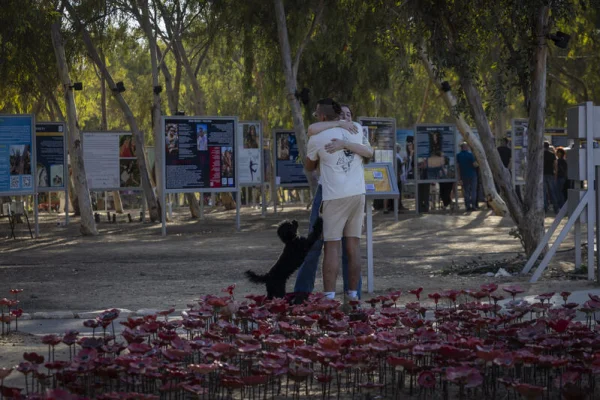
Three years after the Hamas-led Oct. 7, 2023, attacks, a National Mental Health Barometer survey reports that one in five Israelis experiences significant psychological distress affecting daily life. Symptoms include anxiety, depression, and PTSD, with young women identified as the most affected demographic. Fifteen percent of respondents reported direct exposure to the attacks or their aftermath. Researchers also cited repeated rocket, missile, and drone attacks, exposure to graphic violence, social isolation, and weakened relationships as continuing sources of harm, while calling for broader and more accessible mental-health support.
Watchmen Signals
Biblical Context
Persistent trauma, fear, grief, and social isolation are conditions Scripture addresses directly through calls to compassion, mutual support, patient care, and attention to the afflicted. Psalm 34:18 presents God as near to the brokenhearted, while Psalm 147:3 describes Him as healing the brokenhearted and binding up their wounds. These passages speak to God’s concern for sufferers; they should not be used to promise an immediate or automatic recovery from PTSD or other clinical conditions. The survey’s emphasis on weakened relationships and the importance of family and community support also corresponds with New Testament teaching. Romans 12:15 calls believers to weep with those who weep, and Galatians 6:2 commands Christians to bear one another’s burdens. First Thessalonians 5:14 more specifically urges the community to encourage the discouraged, help the weak, and exercise patience with everyone. These texts support compassionate presence and practical support for people living with trauma, while allowing for professional mental-health treatment and other appropriate forms of care. Proverbs 12:25 recognizes that anxiety can weigh heavily on a person and that a timely, encouraging word can help. Its wisdom principle is relevant to the reported effects of fear and isolation, though it is not a clinical treatment and should not be treated as a diagnosis. The article’s subject is therefore meaningfully related to biblical teaching about suffering and care for the vulnerable. It does not, however, identify a specific prophetic event or establish fulfillment of prophecy; the presence of war-related trauma is a general condition Scripture addresses rather than a distinctive prophetic marker.
Biblical Sources
Scripture references supporting the biblical context above.
The instruction to encourage the discouraged, help the weak, and be patient with everyone closely supports the article’s emphasis on sustained, individualized care for those who continue to struggle.
Bearing one another’s burdens provides a direct principle for family, community, and congregational support of people struggling with prolonged trauma.
The proverb acknowledges the debilitating weight of anxiety and the value of encouraging speech, offering a relevant wisdom principle concerning fear, distress, and supportive relationships.
The passage says that the Lord is near to the brokenhearted and saves those crushed in spirit, directly relating to the survey’s report of grief, trauma, and psychological distress.
This verse describes God as healing the brokenhearted and binding up their wounds, supporting a biblical concern for people suffering emotional injury while not functioning as a promise of instant clinical recovery.
The command to weep with those who weep relates to the need for compassionate relationships and social support identified by the researchers.
Comments
No comments yet.
Sign in to join the conversation.
Sign In