California’s Billionaire Tax Promises Healthcare Relief. The Fine Print Is Murkier.
Summary
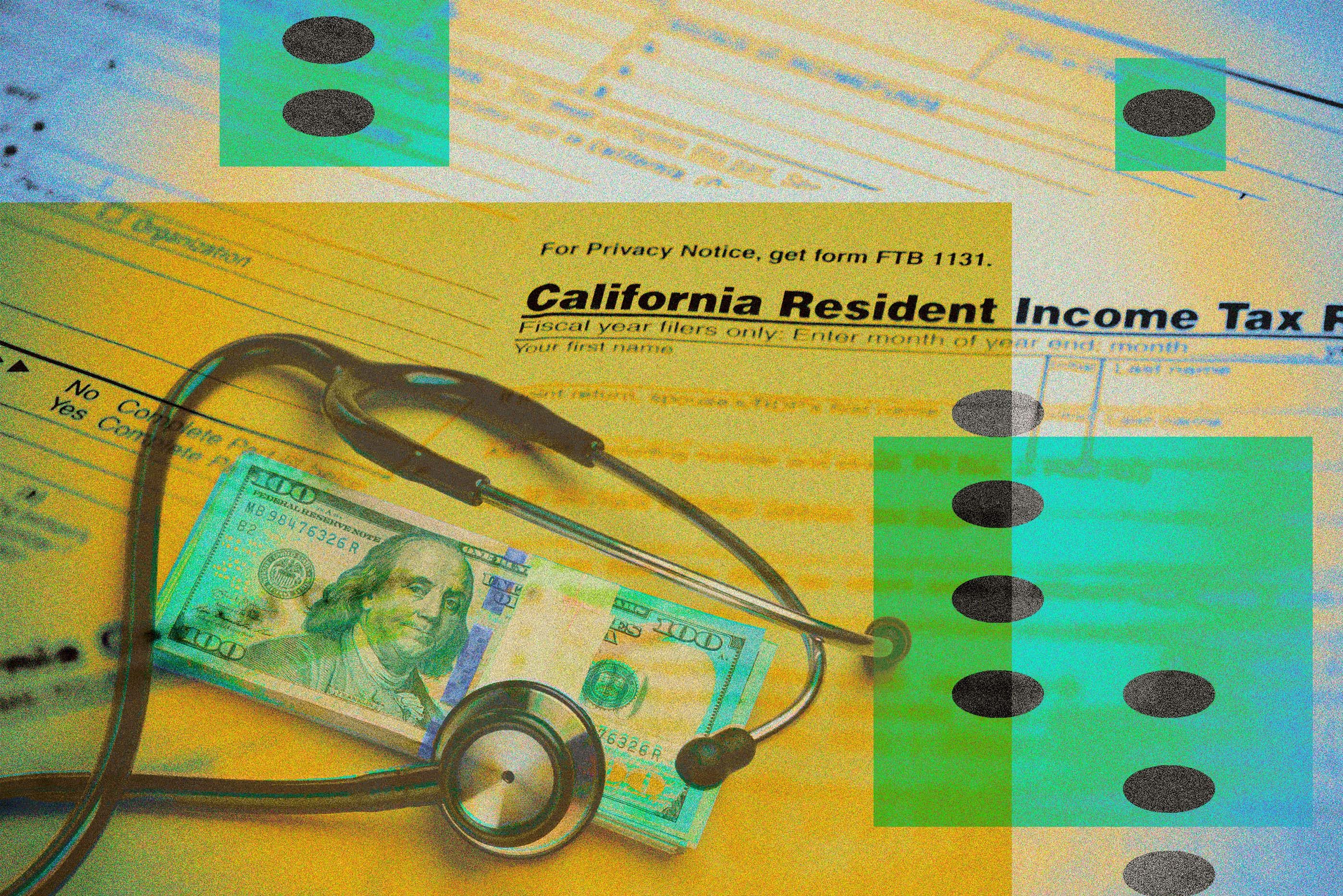
California voters may decide in November whether to impose a one-time 5% tax on about 200 residents worth at least $1 billion. Proposition 40 is projected by legislative analysts to raise tens of billions of dollars, with 90% directed to healthcare and the remainder available for food assistance and education. Supporters say it could offset expected federal cuts and protect coverage, while critics question the measure’s uncertain yield, delayed funding, spending flexibility, and possible effects on investment and wealthy residents’ decisions to remain in California.
Watchmen Signals
Biblical Context
The proposal raises several issues Scripture addresses: the authority and accountability of government, the use of wealth, care for people who are poor or vulnerable, and the difference between voluntary generosity and compulsory taxation. Scripture does not prescribe a modern wealth tax, nor does it settle whether Proposition 40 would be economically effective. It does, however, provide principles relevant to evaluating both the stated purpose and the risks of the measure. Romans 13:1–7 recognizes civil government as having legitimate authority and specifically mentions taxes. That supports the general proposition that taxation is not inherently contrary to biblical teaching. At the same time, the passage presents government as accountable to a public-serving role rather than as possessing unlimited moral discretion. Proposition 40’s broad spending authority therefore makes transparency, lawful administration, and responsible use of funds important questions. The measure’s stated goal of protecting healthcare, food assistance, and education can be compared with Scripture’s repeated concern for people who are vulnerable. Deuteronomy 15:7–11 commands generosity toward the poor within Israel and warns against hardheartedness. This passage does not establish that a government tax is the required means of assistance, but it does illuminate the moral seriousness of allowing needy people to go without essential support. The article’s references to children, seniors, uninsured residents, and people potentially losing healthcare fit this concern, although the article does not independently verify every projected consequence. The Bible also distinguishes voluntary stewardship from government compulsion. Acts 5:4 indicates that private property and voluntary giving were recognized in the early church; Peter’s statement to Ananias assumes that the property remained his before and after its sale. Likewise, 2 Corinthians 8:13–15 encourages believers to give so that others’ needs are met, but it presents this as Christian generosity rather than a detailed civil-tax system. These passages caution against treating charitable responsibility and state taxation as identical, while still affirming that wealth should be used with concern for others. Matthew 25:14–30 presents a parable about servants entrusted with resources and held accountable for how they used them. Its primary subject is faithfulness in relation to the kingdom, not tax policy. It nevertheless offers a broader stewardship principle relevant to the article’s dispute: wealth and entrusted resources should not be viewed solely as grounds for personal accumulation, and those exercising responsibility over resources—including public officials—should be evaluated by their faithfulness. That is an interpretive application, not a direct endorsement of Proposition 40. Overall, biblical teaching supports concern for the poor, responsible stewardship, honest government, and legitimate civil authority. It does not provide a simple verdict on this particular tax. The proposal must still be judged by its legal design, economic effects, timing, accountability safeguards, and whether it actually serves the vulnerable people it is intended to help.
Biblical Sources
Scripture references supporting the biblical context above.
Paul encourages believers to provide for others’ needs and describes an equitable sharing of resources. The passage supports the moral concern for vulnerable people while addressing voluntary Christian giving rather than a civil wealth-tax policy.
Peter’s statement to Ananias indicates that private property and voluntary giving were distinct matters in the early church. This helps distinguish biblical generosity from compulsory taxation and cautions against treating the two as interchangeable.
These verses command generosity and openhandedness toward the poor. They materially illuminate the proposal’s stated purpose of protecting people who may lose healthcare, food assistance, or other essential support, while not prescribing a modern tax mechanism.
The parable of the talents teaches accountability and faithful stewardship of entrusted resources. Its primary subject is spiritual faithfulness, so its application to billionaires, lawmakers, and public funds is a broader interpretive principle rather than a direct ruling on taxation.
This passage recognizes civil government’s authority and explicitly refers to taxes, while presenting government as responsible for public order and service. It provides relevant context for evaluating California’s proposed tax and the accountability of officials administering it.
Comments
No comments yet.
Sign in to join the conversation.
Sign In