Lawyers for Charlie Kirk's accused assassin Tyler Robinson want cameras banned after report on taxpayer burden
Summary
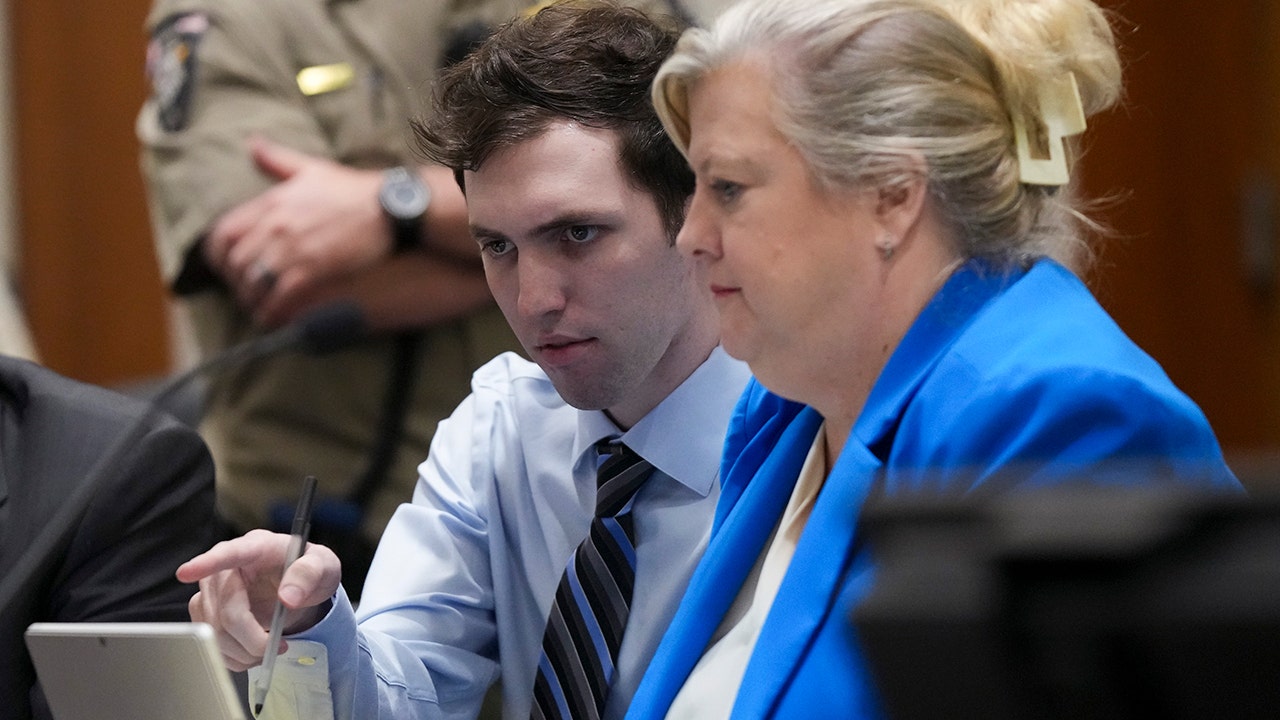
Defense attorneys for Tyler Robinson, accused in the September 2025 fatal shooting of Charlie Kirk at Utah Valley University, are asking a Utah judge to bar cameras from an October 23 hearing that could address scheduling and a trial date. They argue continued media coverage—including reports that public defense costs have reached $1.6 million—could prejudice proceedings and obscure his rights to effective counsel, due process, and a fair trial. Judge Tony Graf Jr. has generally permitted courtroom cameras under restrictions. Robinson could face the death penalty if convicted.
Watchmen Signals
Biblical Context
The alleged killing places the case first within Scripture’s direct condemnation of murder: Exodus 20:13 treats the taking of innocent life as a grave moral wrong. That principle does not determine Robinson’s guilt, and the article reports an accusation rather than a proven conviction. The camera dispute also concerns the administration of justice. Deuteronomy 16:18-20 instructs judges to judge fairly, reject partiality, and pursue justice. That principle bears on both sides of the reported dispute: courts should protect an accused person from prejudicial treatment, while public proceedings and accountable judicial authority can serve justice when managed fairly. Deuteronomy 19:15 further establishes the importance of reliable testimony and adequate proof in adjudicating serious accusations, although the hearing described here is not a trial on the evidence. Romans 13:1-4 describes civil authorities as having a legitimate role in restraining wrongdoing and administering justice. It supports the general relevance of a state criminal proceeding, including the court’s responsibility to handle a grave homicide allegation lawfully. Scripture does not prescribe a modern rule on courtroom cameras, media access, defense budgets, or capital-case scheduling. Those questions require legal and prudential judgment rather than a claim that this procedural dispute fulfills prophecy. No specific prophetic connection is identified.
Biblical Sources
Scripture references supporting the biblical context above.
These instructions require judges to administer justice, avoid partiality, and pursue what is right, principles relevant to the court’s handling of media access and the accused’s fair-trial concerns.
The requirement for adequate testimony before establishing a serious charge reflects Scripture’s concern for reliable proof, relevant to distinguishing an accusation from a judicially established conviction.
The command against murder directly supports the moral significance of the alleged fatal shooting, while not establishing the accused person’s guilt.
Paul recognizes civil government’s authority and responsibility to restrain wrongdoing, which relates to the state court’s role in adjudicating the homicide allegations.
Comments
No comments yet.
Sign in to join the conversation.
Sign In