Farthest Israeli city reached by Hamas terrorists forever changed by Oct 7
Summary
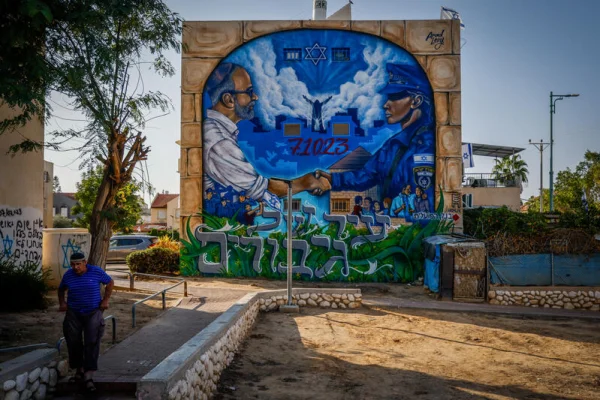
Ofakim, about 22 kilometers from Gaza, was attacked on October 7 after residents discovered that public bomb shelters were locked and 18 terrorists had entered the city. Forty-eight residents were killed. Since then, the municipality has doubled local policing, formed an armed civilian response team, installed cameras and sensors, and restricted some city entrances. More than 5,000 residents have been recognized as victims of hostile acts, while expanded psychological services address continuing trauma. Despite the damage, Ofakim has grown rapidly and is pursuing agricultural technology and research development.
Watchmen Signals
Biblical Context
The attack, the failure to protect civilians, and the city’s continuing efforts to secure and restore its community connect meaningfully with biblical teaching about public protection, vigilance, compassion, and recovery. Romans 13:1–4 describes governing authorities as having a responsibility to restrain wrongdoing and pursue the good of the community. Applied cautiously, the passage helps illuminate the municipality’s expectation that government should provide functioning shelters, border security, policing, and emergency protection. It does not by itself determine whether Ofakim’s particular barriers or surveillance policies are wise, lawful, or proportionate. Nehemiah 4:9 offers a concrete biblical pattern of combining prayer with watchfulness and practical defense while rebuilding a vulnerable community. The passage is not a prophecy about Ofakim, but its principle is relevant to the city’s combination of recovery, surveillance, armed civilian readiness, and physical barriers after an attack. Proverbs 31:8–9 calls for speaking and acting on behalf of those who are vulnerable and denied protection. That principle relates to the residents who needed accessible shelters and to the continuing duty of authorities to protect civilians. It supports concern for public safety without resolving the article’s disagreement over whether defensive barriers protect residents or unduly confine them. The continuing trauma also fits the biblical recognition that God is near to the brokenhearted in Psalm 34:18, while Galatians 6:2 calls believers to bear one another’s burdens. These passages do not provide a clinical framework, but they support taking grief, disability, fear, and long-term psychological care seriously rather than treating recovery as merely the restoration of physical infrastructure. Nothing in the reported attack, local security changes, or population growth corresponds specifically enough to a particular biblical prophecy. The presence of Israel, violence, and regional insecurity alone does not establish prophetic fulfillment.
Biblical Sources
Scripture references supporting the biblical context above.
Calls people to bear one another’s burdens, supporting communal responsibility toward residents dealing with disability, fear, and long-term psychological effects.
Shows a community combining prayer with watchfulness and practical defense while rebuilding under threat, offering a relevant but non-prophetic parallel to Ofakim’s security and recovery measures.
Calls for advocacy and justice for vulnerable people, relating to the protection of civilians and the consequences of inadequate access to shelters.
Recognizes God’s concern for the brokenhearted, providing a relevant biblical perspective on the city’s continuing grief and trauma.
Describes governing authority as responsible for public order, restraining wrongdoing, and pursuing the good; this relates to the reported need for functioning shelters, policing, and civilian protection.
Comments
No comments yet.
Sign in to join the conversation.
Sign In