Saudi Arabia strikes oil depots in Yemen as conflict with Houthis escalates
Summary
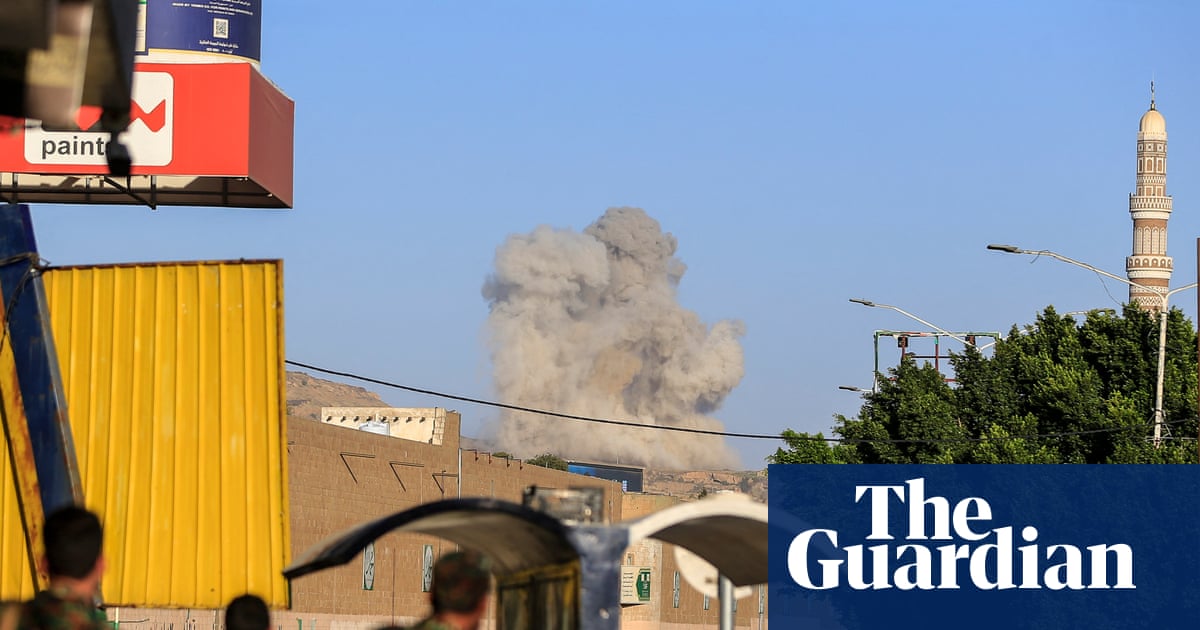
Saudi Arabia reportedly launched extensive strikes against Houthi oil facilities near Sana’a and at Ras Isa after a Houthi attack on Riyadh’s King Khalid International Airport allegedly killed 13 people and injured 300. The escalation threatens energy infrastructure and civilian safety on both sides. Fighting has also intensified around Taiz and the Bab el-Mandeb Strait, a vital shipping route. Yemen’s anti-Houthi forces remain divided, while Saudi officials are reportedly considering greater cooperation with the separatist Southern Transitional Council.
Watchmen Signals
Biblical Context
The reported airstrikes, threats against energy facilities, civilian deaths, attacks near residential areas, and medical shortages place the conflict within subjects Scripture addresses directly: the duty to restrain violence, protect the vulnerable, pursue justice, and recognize the serious consequences of rulers’ decisions. Psalm 82:3-4 calls those with authority to defend the weak and rescue the needy. That principle bears directly on the reported danger to civilians in Sana’a, Taiz, Riyadh, and areas near energy infrastructure. It does not determine which side’s military claims are true, nor does it justify treating every strategic facility as immune from military action; it establishes a moral concern for people endangered by the conflict. Proverbs 24:11-12 urges the rescue of those being led toward death and warns that God sees whether people ignore the vulnerable. The reported shortages of medicine and danger to intensive-care patients illustrate why humanitarian consequences cannot be treated as secondary to military objectives. The passage supports moral accountability, not a specific operational judgment about the strikes. Romans 13:1-4 describes governing authority as accountable for restraining wrongdoing and protecting the public. This provides a relevant framework for assessing Saudi, Yemeni, and other authorities’ use of force, but it does not grant governments unlimited authority or automatically validate official claims. Their actions remain subject to justice and responsibility. James 4:1-2 connects violent conflict to disordered desires and disputes. In context, it addresses quarrels within the believing community rather than offering a prediction about Yemen. It nevertheless provides a broader moral diagnosis relevant to an escalating struggle involving competing territorial, political, and military aims. The reported facts do not correspond specifically enough to a named biblical prophecy. The presence of war, regional alliances, threats to commerce, or locations near the Red Sea is not by itself evidence that a particular prophetic passage is being fulfilled.
Biblical Sources
Scripture references supporting the biblical context above.
Explains conflict in terms of quarrels and disordered desires; it offers a general moral lens for the competing political and military aims reported in the conflict.
Emphasizes responsibility to rescue people facing death and accountability for ignoring their peril, relevant to civilian casualties and medical shortages.
Calls authorities to defend the weak, uphold justice for the afflicted, and rescue those in danger; this relates to reported civilian harm and humanitarian vulnerability.
Describes the public responsibility of governing authorities to restrain wrongdoing and serve the common good, while implying accountability in the use of force.
Comments
No comments yet.
Sign in to join the conversation.
Sign In