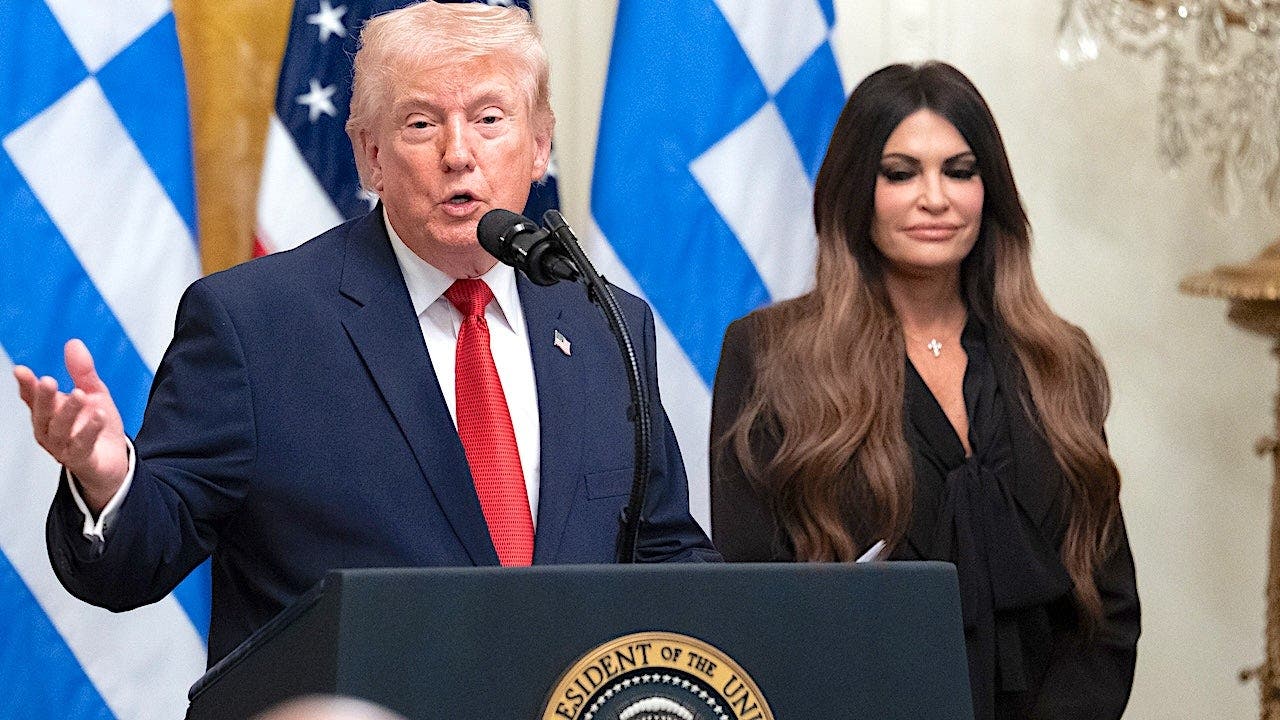
Trump asks Kimberly Guilfoyle to resign as Greece ambassador, White House confirms
Summary
The White House says it has asked U.S. Ambassador to Greece Kimberly Guilfoyle to resign amid allegations involving a $100,000 donor payment, foreign business contacts, gifts, private travel, and treatment of embassy employees. The allegations, reported chiefly by The Wall Street Journal and Daily Mail, include claims that Guilfoyle sought assistance from a donor before her confirmation hearing and promoted a Greek company’s interests. Her attorney disputes the claims, while the State Department inspector general has not confirmed an investigation. It remains unclear whether she has formally resigned.
Watchmen Signals
Biblical Context
The reported concerns about possible donor influence, foreign business relationships, gifts, and official access connect most directly with Scripture’s warnings about partiality and corrupting benefits. Exodus 23:8 cautions that a gift can distort judgment, which is relevant to the allegation that a donor was asked to pay a personal bill in exchange for access—though the article does not establish that the payment occurred or that access was actually granted. Government officials are entrusted with authority for public purposes. Romans 13:3-4 describes governing authority as accountable for rewarding good and restraining wrongdoing, while Proverbs 29:2 emphasizes the public consequences of righteous or corrupt leadership. These passages support the importance of investigating credible allegations and holding officials accountable, but they do not determine whether Guilfoyle committed the alleged acts. The claims about threats, demotions, and treatment of embassy employees also raise a narrower workplace-accountability issue. Colossians 4:1 instructs those with authority to treat people justly and fairly. That principle is relevant to the reported allegations, while the article’s limited and disputed evidence prevents a definitive moral or factual judgment. Nothing in the reported diplomatic dispute, possible resignation, or personnel allegations corresponds to a specific biblical prophecy; the story is best understood as a contemporary governance and accountability matter rather than a prophetic development.
Biblical Sources
Scripture references supporting the biblical context above.
Calls those with authority to treat people justly and fairly; relevant to the allegations concerning threats, demotions, and treatment of embassy employees.
Prohibits accepting a bribe because it can blind officials and distort the cause of justice; relevant to the reported allegation involving a donor, a personal bill, and possible access to government officials.
Connects the character of rulers with the well-being of the people and warns of the public consequences of corrupt leadership; relevant to concerns about integrity in diplomatic office.
Describes civil authority as responsible for public order and accountable to punish wrongdoing; relevant to the administration’s response to allegations involving a public official.
Comments
No comments yet.
Sign in to join the conversation.
Sign In