Polycarp: When Loyalty to Christ Was Tested by Fire
Summary
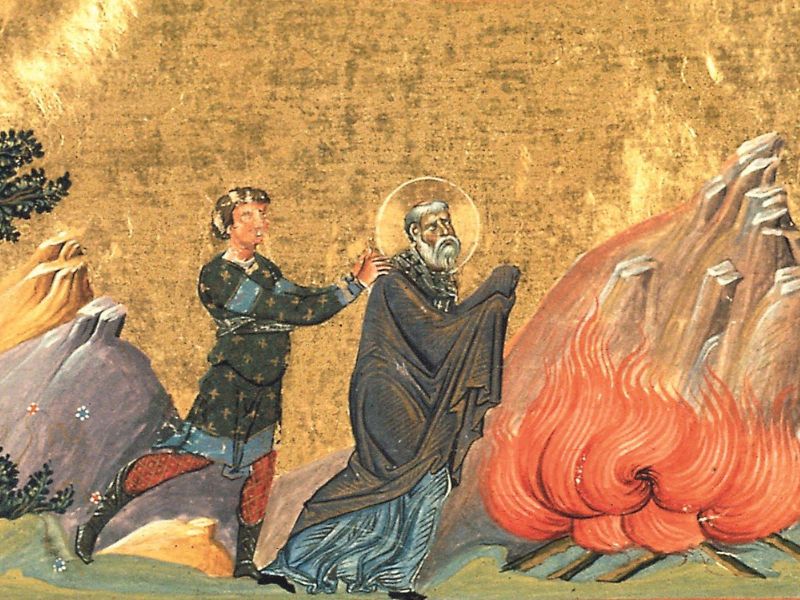
The article presents the life and martyrdom of Polycarp, bishop of Smyrna, as an example of Christian faithfulness under persecution and doctrinal pressure. It places his ministry in the Roman Empire, where confessing that “Jesus is Lord” could conflict with demands to honor Caesar. Polycarp is described as a leader connected with the apostolic generation, a defender of biblical truth, and the author of the Letter to the Philippians. The article highlights his warnings against false teaching, including his reported confrontation with Marcion. It then recounts the traditional account of Polycarp’s arrest, prayer for the church and his persecutors, trial before a Roman proconsul, refusal to renounce Christ, and execution by fire. Key statements are drawn from The Martyrdom of Polycarp, an early Christian account attributed to members of the church in Smyrna, and from Irenaeus’s Against Heresies. The article concludes with an exhortation for Christians to develop conviction, doctrinal faithfulness, holiness, and endurance before facing suffering. Its central message is that Polycarp’s martyrdom did not create his faith but revealed a faith formed through decades of teaching and obedience.
Watchmen Signals
Biblical Context
The article has a direct biblical connection because it concerns confession of Christ, persecution for Christian allegiance, guarding apostolic teaching, and endurance under suffering—subjects explicitly addressed in the New Testament. Smyrna is one of the seven churches addressed in Revelation, and the article correctly identifies Polycarp’s city with that church, although the New Testament does not mention Polycarp personally. The article’s warning about false teaching also broadly accords with apostolic commands to test doctrine and reject teachings that deny Christ’s true identity. These are direct biblical principles, while the specific details of Polycarp’s trial and death come from later Christian sources rather than Scripture. The article does not provide a sound basis for claiming that Polycarp’s martyrdom fulfills biblical prophecy or that modern events fulfill Revelation.
Biblical Sources
Scripture references supporting the biblical context above.
John gives a doctrinal test centered on confessing Jesus Christ as having come in the flesh. This materially supports the article’s discussion of Polycarp’s opposition to teachings that distorted Christ’s identity.
Paul states that those who desire to live a godly life in Christ Jesus should expect persecution. This supports the article’s biblical principle that faithful Christian discipleship can involve suffering.
Jude urges believers to contend for the faith once delivered and warns against corrupting influences within the church. This supports the article’s connection between guarding truth and resisting doctrinal compromise.
Jesus teaches the importance of openly acknowledging or denying Him before others, supporting the article’s focus on Polycarp’s refusal to renounce Christ.
Christ addresses the church in Smyrna, commends faithfulness amid suffering, warns of imprisonment and testing, and promises the crown of life to those who remain faithful. This directly supports the article’s themes, though the passage does not mention Polycarp by name.
Comments
No comments yet.
Sign in to join the conversation.
Sign In