Trump 'looking at' firing ambassador to Greece: 'We're not happy'
Summary
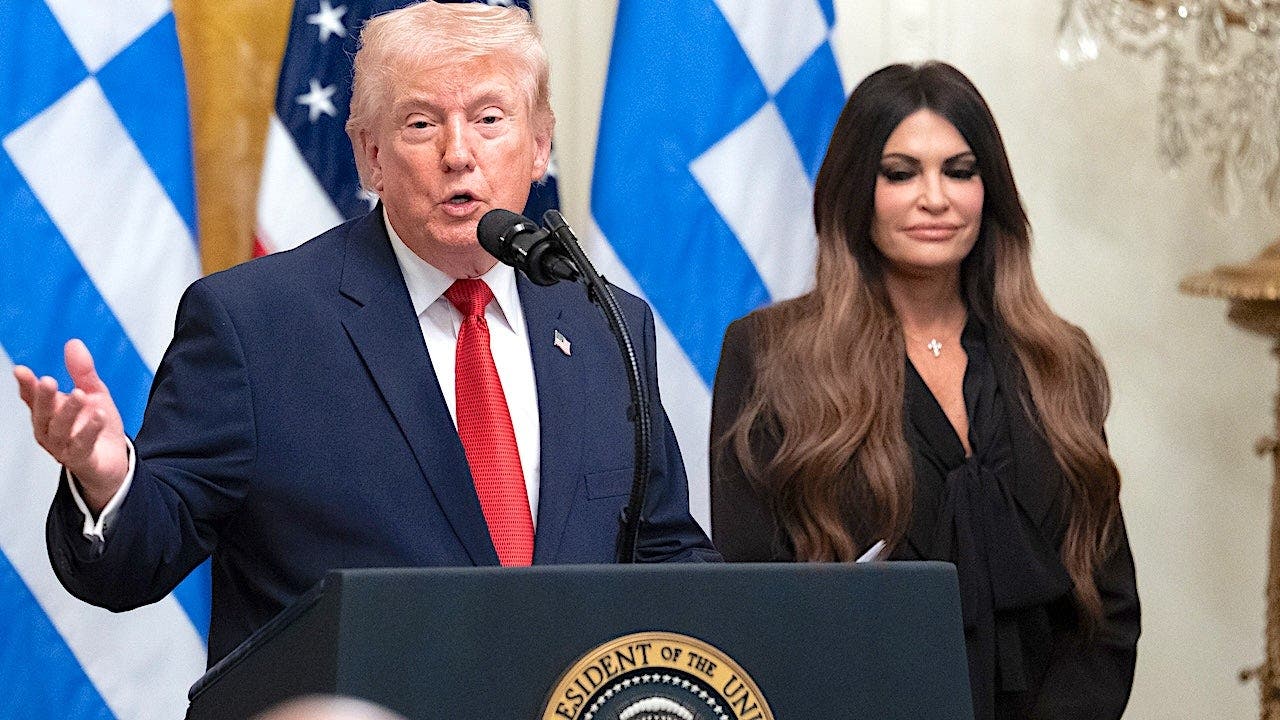
President Donald Trump said he is considering removing U.S. Ambassador to Greece Kimberly Guilfoyle after reports alleging she sought a donor’s payment of a $100,000 credit-card bill in exchange for access, promoted private business interests, permitted a lobbyist into diplomatic meetings, and accepted improper gifts or services. Secretary of State Marco Rubio and Vice President JD Vance expressed concern while cautioning that the allegations remain unproven. Guilfoyle’s lawyers deny wrongdoing, and a possible State Department inspector-general review has been reported but not confirmed.
Watchmen Signals
Biblical Context
Allegations that a public official may have exchanged access or influence for private financial benefit directly engage Scripture’s concern with impartial justice, corrupt leadership, and the abuse of entrusted authority. Exodus 23:8 warns that a bribe blinds officials and distorts judgment; Deuteronomy 16:19 similarly prohibits accepting bribes because they pervert justice. These passages do not establish whether Guilfoyle committed the alleged acts, but they explain why claims of paid access and preferential treatment are morally serious. Public office is also treated as a trust requiring righteous administration. Proverbs 29:4 connects just governance with national stability and says that a ruler who accepts gifts or bribes brings ruin. Romans 13:1-4 describes governing authorities as accountable for administering justice and restraining wrongdoing. Applied cautiously, that principle supports investigation and lawful accountability rather than either assuming guilt or shielding an official from scrutiny. The reported conduct is therefore meaningfully related to biblical teaching about corruption and government responsibility, but it is not evidence of a particular prophetic fulfillment. The story concerns an individual diplomatic controversy and an unresolved accountability process, not a distinctive end-times event described in Scripture.
Biblical Sources
Scripture references supporting the biblical context above.
This passage prohibits gifts or bribes that distort judgment and pervert justice, supporting the article’s concern about possible favoritism or improper official conduct.
The command not to accept a bribe is directly relevant to allegations that money or benefits may have been connected to official access or influence.
The proverb contrasts just rule with governance corrupted by gifts, illuminating why alleged financial inducements can undermine public trust and institutional stability.
Paul presents governing authority as responsible for administering justice and restraining wrongdoing, a principle relevant to investigation and accountability within government.
Comments
No comments yet.
Sign in to join the conversation.
Sign In