Iran fortifies nuclear sites, rebuilds missile arsenal as it prepares for the next war - analysis
Summary
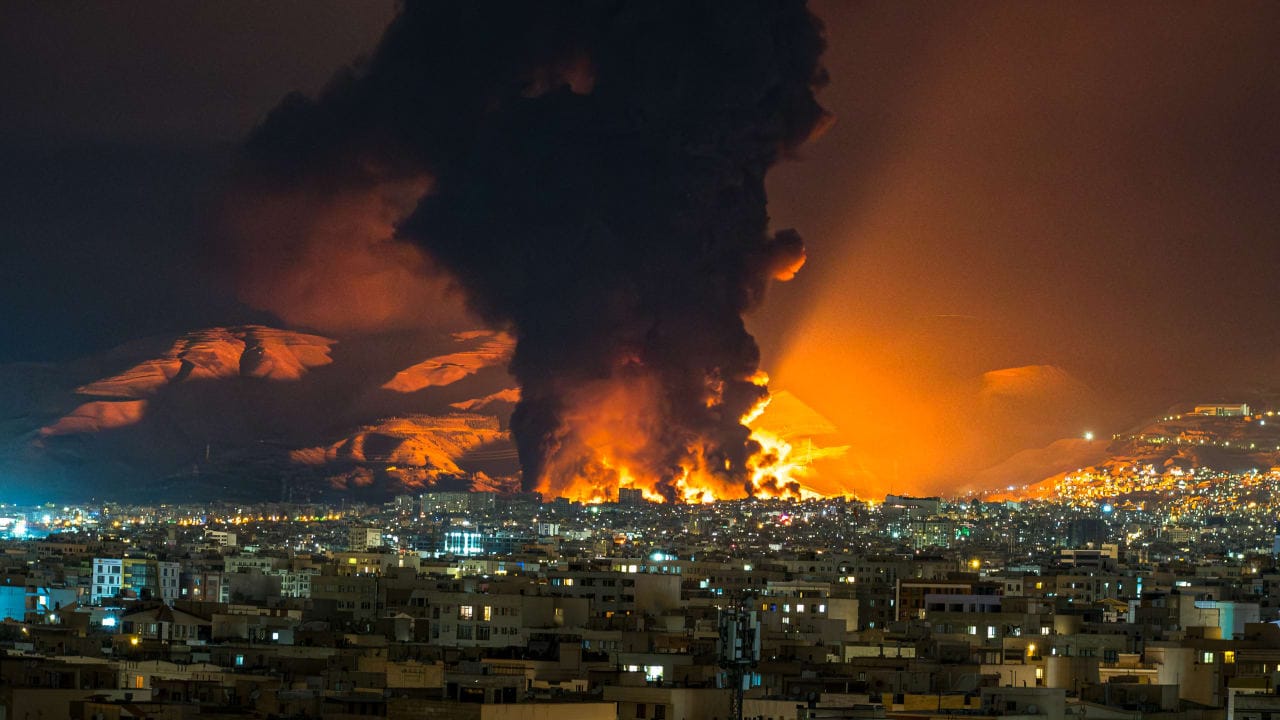
Satellite imagery and reporting cited by the Wall Street Journal indicate that Iran is rebuilding missile and drone capabilities, reinforcing nuclear sites and military bunkers, and preparing its population for possible renewed conflict with the United States and Israel. Tehran has rejected what it considers an insufficient U.S. negotiating response and continues threatening the Strait of Hormuz. Reports also describe potential Iranian or militia attacks on Gulf targets, including Saudi energy infrastructure, raising concerns that renewed strikes could widen into a regional confrontation.
Watchmen Signals
Biblical Context
Iran’s military preparations, threats against neighboring states, and the uncertain negotiations over the Strait of Hormuz place the report within subjects Scripture treats seriously: the authority and responsibility of governments, the prudence of preparing for conflict, the destructive causes of war, and the obligation to pursue peace. Proverbs 24:6 recognizes that military action requires wise counsel; it does not endorse every war or every strategy. Romans 13:1-4 describes governing authority as responsible for public order and protection against wrongdoing, providing a framework for considering the stated duties of the United States, Israel, Iran, Saudi Arabia, and other governments without declaring that any particular operation is just. James 4:1-2 addresses the disordered desires and disputes that produce conflict. It does not identify the motives of the governments in this report, but it offers a relevant warning against treating military confrontation as merely a technical contest. Jesus’ call to peacemaking in Matthew 5:9 and Paul’s instruction in Romans 12:18 support the importance of pursuing peaceful resolution where possible. Those passages do not require passivity in the face of aggression, nor do they settle the legitimacy of any reported strike or defensive measure. These connections support the significance of the subject without establishing a prophetic fulfillment. The reported rebuilding of Iranian defenses and the possibility of wider regional warfare resemble the broad biblical reality that nations experience conflict, but the supplied facts do not present the distinctive circumstances of a particular prophecy. No specific prophetic passage should be treated as being fulfilled on the basis of these developments alone.
Biblical Sources
Scripture references supporting the biblical context above.
James identifies sinful desires and disputes as sources of conflict. The passage offers a broader moral framework for considering the hostility, threats, and escalation described in the report, though it does not determine the motives of the governments involved.
Jesus blesses peacemakers. The teaching is relevant to the stalled negotiations and the need to prevent a wider confrontation, while it does not imply that governments must ignore legitimate security threats.
The verse teaches that wise counsel is necessary in warfare. It relates to the reported military preparations, strategic assessments, and decisions facing Iran, the United States, Israel, and regional governments, without endorsing a particular campaign.
Paul urges believers, as far as it depends on them, to live peaceably with others. This supports the importance of pursuing peaceful resolution amid the reported threats and negotiations, while recognizing that the passage addresses Christian conduct rather than prescribing a complete state-security policy.
Paul describes governing authorities as having responsibility for public order and the restraint of wrongdoing. This provides relevant context for evaluating governments’ stated duties to protect populations and respond to threats, while not automatically validating any specific military action.
Comments
No comments yet.
Sign in to join the conversation.
Sign In