PA President Abbas postpones Palestinian elections to 2027, causing outrage among his opponents
Summary
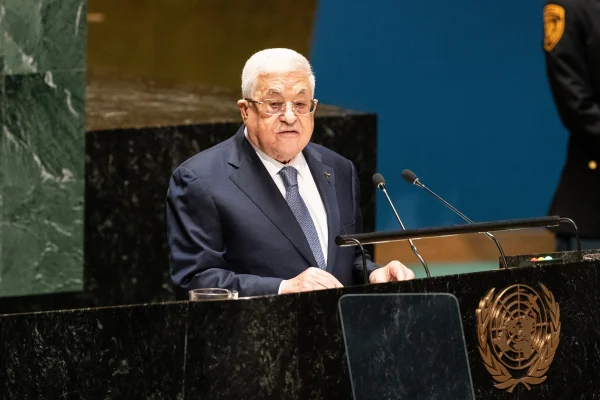
Palestinian Authority President Mahmoud Abbas announced that Palestinian legislative elections scheduled for November 28, 2026, would be postponed until September 2027; France said the presidential election planned for early 2027 was also delayed. Abbas attributed the move to Israeli obstacles and said Palestinian factions agreed. France and other governments had linked recognition of a Palestinian state to governance reforms, elections, Hamas’s exclusion or disarmament, and demilitarization. Palestinian and Israeli critics accused Abbas of avoiding accountability and preserving the PA leadership’s political control.
Watchmen Signals
Biblical Context
The reported postponement brings questions of political accountability, truthful commitments, justice, and the protection of a population’s political rights into view. Scripture repeatedly condemns rulers who use authority for self-preservation or deny justice. Isaiah 10:1-2 condemns those who issue unjust decrees and deprive vulnerable people of justice; that principle is relevant to allegations that Palestinian leaders have delayed elections to preserve a governing monopoly, though the article does not prove those allegations. Proverbs 29:2 links righteous governance with public well-being and describes the burden imposed when the wicked rule. This offers a broad moral framework rather than a judgment about every modern election or institution. Micah 6:8 summarizes the obligations of justice, mercy, and humble conduct before God. It bears on the reported demands for institutional reform and on the competing accusations that leaders have failed their people or evaded responsibility. Romans 13:1-4 describes governing authority as accountable to God and responsible, in principle, for restraining wrongdoing and promoting order. It does not endorse every government decision, nor does it establish a required form of representative government; instead, it provides a standard against which claims of legitimate authority and public accountability may be considered. The article also concerns promises made to foreign governments in exchange for diplomatic recognition. Scripture treats truthful and reliable speech as morally significant: Matthew 5:37 calls for straightforward truthfulness, and Psalm 15:4 commends the person who keeps a promise even when doing so is costly. These passages support concern about unfulfilled commitments, but they do not independently establish that Abbas or the PA intentionally lied. Likewise, the article’s references to Israel and Palestinian territories do not by themselves identify a fulfilled prophecy. No particular prophetic passage is sufficiently matched by the reported election postponement, disputed reforms, or diplomatic reactions to justify a prophetic claim.
Biblical Sources
Scripture references supporting the biblical context above.
Condemns rulers who issue unjust decrees and deprive people of justice. It provides a direct moral framework for evaluating allegations that political leaders obstruct accountability or deny the public a fair political process.
Jesus teaches truthful, dependable speech. The passage is relevant to disputed reform commitments, while not proving that any particular official deliberately made a false promise.
Calls for justice, mercy, and humble conduct before God. These principles illuminate the reported demands for institutional reform and the competing accusations of political evasion.
Connects righteous rule with the well-being of a people and warns of the consequences of wicked governance. It relates broadly to the reported concerns about prolonged unelected leadership and public accountability.
Describes integrity before God, including keeping one's word even when it is costly. It provides a moral comparison for the reported commitments made to international governments and the allegations that they were not honored.
Describes governing authority as accountable to God and responsible for public order and the restraint of wrongdoing. It applies to the moral responsibilities of the PA and other authorities, without prescribing a particular electoral system.
Comments
No comments yet.
Sign in to join the conversation.
Sign In