14-year-old boy identified as victim of explosion after high school trip was approved in unsafe area near border
Summary
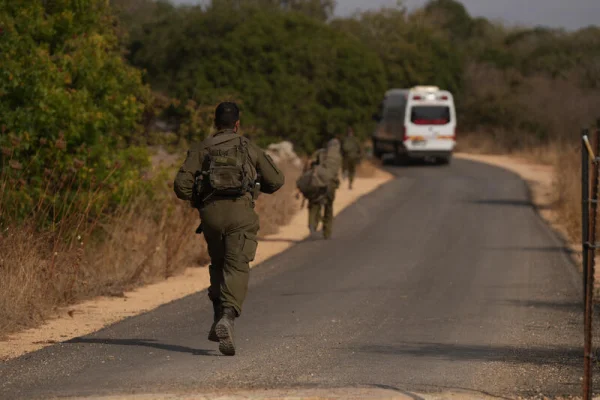
A 14-year-old student, Elazar Yair Wilensky, was killed and 24 students and teachers were wounded when an unexploded munition detonated during a school hike near Ramim Ridge in northern Israel. Israeli military and police investigators said the device was likely a Hezbollah cluster-warhead submunition left from recent fighting. Authorities had approved the trip, but KKL-JNF and Army Radio reported that the area had not been fully cleared or officially reopened. Five children remained in serious condition, prompting route changes and renewed warnings about unexploded ordnance.
Watchmen Signals
Biblical Context
The death of a child, the injuries to many others, and the possibility that a hazardous remnant of war remained accessible to the public are matters Scripture addresses through its teaching on the value of human life, responsibility for preventable danger, and the need for justice and care after violence. Genesis 9:6 grounds the protection of human life in humanity's creation in God's image. It does not provide a specific rule for unexploded ordnance, but it gives a direct theological basis for treating the student's death and the injuries of the other children as grave human losses rather than merely as an operational accident. The safety principles in Exodus 21:33-34 and Deuteronomy 22:8 are also materially relevant. Exodus addresses liability when someone leaves a dangerous pit uncovered, while Deuteronomy requires a protective parapet around a house so that preventable falls do not occur. These laws concern ancient property and construction settings, not modern battlefield remnants, yet they support a broader biblical principle: people who control or open areas have responsibilities to identify, contain, warn about, and mitigate known dangers. The reported disagreement over whether the route was safe, cleared, or properly authorized makes that principle especially pertinent, without allowing Scripture alone to determine which authority was at fault. Numbers 35:22-25 distinguishes accidental killing from intentional killing and establishes the need for a careful legal process. The passage does not excuse negligence and does not map neatly onto a modern investigation, but it supports distinguishing an accidental detonation from deliberate violence while still examining the circumstances responsibly. The supplied facts do not establish whether any individual or institution acted negligently. The article's events do not correspond specifically to a biblical prophecy. The presence of Israel, Hezbollah, and the aftermath of war is insufficient by itself to identify prophetic fulfillment. Scripture meaningfully addresses the human consequences and responsibilities involved, but no particular prophetic text is warranted by these facts.
Biblical Sources
Scripture references supporting the biblical context above.
The requirement to build a protective parapet illustrates a biblical duty to take reasonable precautions against foreseeable danger to others.
The law addresses responsibility for leaving a dangerous excavation open and causing harm, providing a relevant principle for assessing preventable public hazards, though the ancient case is not identical to unexploded wartime ordnance.
Human life is treated as uniquely valuable because humanity is made in God's image; this supports the seriousness of the student's death and the many injuries.
The passage distinguishes accidental killing from intentional killing and emphasizes careful judgment, relevant to separating the reported accidental explosion from deliberate wartime violence while investigating possible responsibility.
Comments
No comments yet.
Sign in to join the conversation.
Sign In