US military archbishop urges Catholic soldiers to refuse involvement in Army firing squad execution
Summary
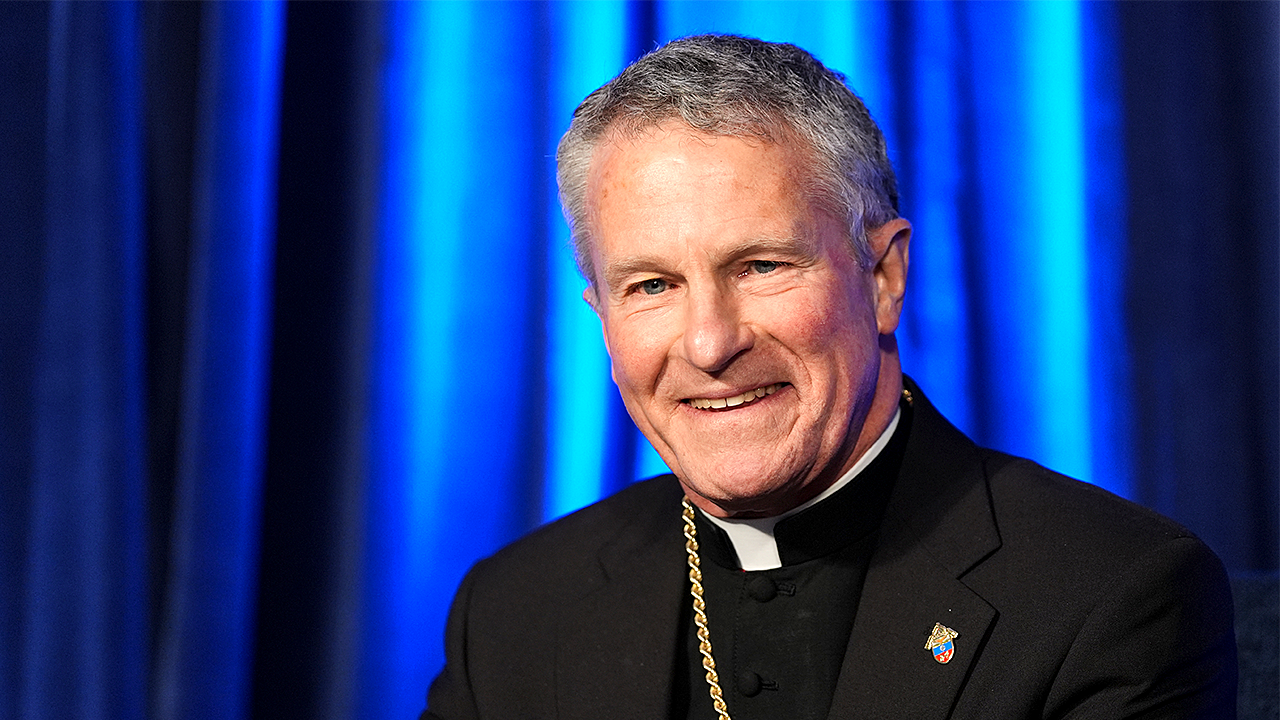
Archbishop Timothy Broglio urged Catholics assigned to the firing squad for Nidal Malik Hasan’s planned Dec. 3 execution at Fort Hood to seek religious accommodation. Hasan was convicted of killing 13 people and wounding 32 in the 2009 Fort Hood shooting. The Pentagon has proposed livestreaming the execution, which would be an unprecedented public broadcast of a U.S. government execution. President Trump has not decided whether to approve the livestream, while Catholic leaders and several lawmakers have opposed making the execution public.
Watchmen Signals
Biblical Context
State authority to punish grave wrongdoing is directly addressed in Scripture, but the Bible also places that authority under moral limits and insists on the dignity and accountability of every human being. Genesis 9:6 connects the taking of human life with humanity’s creation in God’s image; the passage is relevant to both the seriousness of Hasan’s alleged and adjudicated crimes and the gravity of the state’s response. Romans 13:1-4 recognizes government authority to punish wrongdoing, including the “sword,” so Scripture does not support the claim that every use of capital punishment is automatically outside governmental authority. It does not, however, specifically endorse broadcasting an execution. The proposed livestream also raises a question about whether punishment is being administered as justice or displayed as spectacle. Ecclesiastes 8:11 acknowledges that punishment can be understood in relation to deterrence, but it warns that the apparent delay of judgment can encourage wrongdoing; it does not establish that public violence is an effective deterrent. The article reports Hegseth’s deterrence argument, but it supplies no evidence that a livestream would achieve that purpose. Scripture’s teaching about human dignity and the possibility of repentance also bears on the objections reported from Catholic leaders. Genesis 1:26-27 grounds human worth in bearing God’s image, while Ezekiel 18:23 and 33:11 express God’s concern that the wicked turn from wrongdoing rather than perish. These passages do not erase the distinction between the convicted offender and his victims, nor do they settle the modern legal question of capital punishment. They do caution against treating even a guilty person as less than human and against assuming that death, especially publicly displayed death, is automatically morally constructive. No specific biblical prophecy is meaningfully identified by this planned execution or proposed broadcast.
Biblical Sources
Scripture references supporting the biblical context above.
The verse observes that delayed punishment can embolden wrongdoing, making it relevant to the deterrence argument reported from the Pentagon. It does not prove that a public execution or livestream will deter crime.
God says He takes no pleasure in the death of the wicked but desires repentance and life. The passage supports careful consideration of redemption and the moral meaning of execution, without directly resolving the question of state punishment.
God calls the wicked to turn from their ways and live. This supports the reported concern that punishment should not be treated as a spectacle and that human beings remain morally accountable persons, while not negating justice or victim accountability.
Human beings are described as made in the image of God, supporting the article’s concern with the dignity of both victims and the condemned person. The connection to the proposed livestream is ethical and interpretive, not a direct ruling on broadcasting executions.
In the context of post-flood human government and accountability, the passage links the shedding of human blood with humanity’s creation in God’s image. It directly illuminates the seriousness of the crime and the moral gravity of state-administered execution.
Paul presents governing authorities as accountable servants who may punish wrongdoing and bear the sword. This passage materially addresses governmental authority and punishment, while not specifically approving capital punishment in every case or a public broadcast.
Comments
No comments yet.
Sign in to join the conversation.
Sign In