Widely condemned as unethical, hepatitis B vaccine study funded by RFK Jr’s CDC gets a final greenlight
Summary
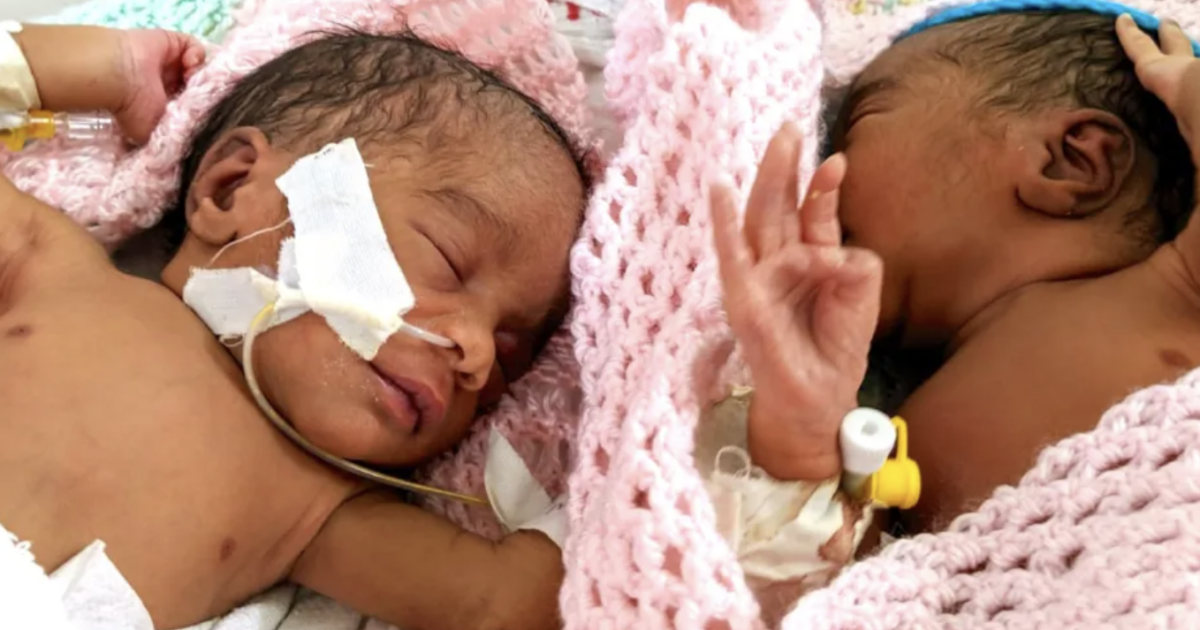
The University of Southern Denmark approved a revised clinical study in Guinea-Bissau that would enroll 14,000 newborns but provide a birth-dose hepatitis B vaccine to only half of them. Critics say withholding a safe, potentially life-saving vaccine from a vulnerable population is unethical. Researchers respond that Guinea-Bissau’s current national policy does not include newborn hepatitis B vaccination, although the World Health Organization recommends it and the country plans to introduce it in 2028. The study still lacks final authorization from Guinea-Bissau’s government.
Watchmen Signals
Biblical Context
The proposed withholding of a potentially life-saving intervention from some newborns raises questions Scripture addresses through its repeated concern for vulnerable people, impartial justice, and accountability in the exercise of authority. Proverbs 31:8-9 calls those with influence to speak for people who cannot adequately defend their own interests; newborns enrolled in a study are an especially clear example of persons unable to consent or advocate for themselves. Psalm 82:3-4 similarly commands the defense of the weak and needy, which supports careful scrutiny of research involving a poorer population and unequal access to medical protection. The reported disagreement also concerns impartiality. Leviticus 19:15 prohibits distorted judgment based on status and requires justice for both the poor and the powerful. That passage does not establish a modern clinical-trial rule, but it is relevant to the question of whether lower national resources should justify exposing Guinean infants to a different research standard than infants elsewhere. James 2:1-9 condemns showing partiality to the poor or socially disadvantaged; in context, it addresses favoritism within the Christian community rather than medical research, so its application here is a broader ethical principle rather than a direct regulation of the study. Scripture also recognizes the importance of truthful testimony and accountable decision-making. Exodus 23:6-8 warns against perverting justice, false reports, and improper influence. That principle bears on the need for transparent evidence, genuine informed consent, independent review, and clear governmental authorization—especially because the article reports conflicting assessments and an unverified claim that CDC leaders pressed for resumption. These passages do not determine whether the study is scientifically valid or prove that it violates human rights, but they provide meaningful grounds for defending vulnerable participants and demanding impartial, accountable judgment. No specific biblical prophecy is identified in this medical-research dispute.
Biblical Sources
Scripture references supporting the biblical context above.
Warns against perverting justice, false reports, and improper influence, supporting demands for transparent evidence, independent review, and accountable authorization in the disputed study.
Condemns partiality toward people based on social standing. Its context is favoritism within the Christian community, so its relevance here is an indirect but meaningful warning against treating disadvantaged populations as less deserving of protection.
Requires impartial justice and warns against judging by social status, providing a relevant principle for evaluating whether limited national resources are being used to justify unequal research protections.
Calls people with influence to speak and judge on behalf of those who cannot adequately defend themselves, supporting concern for newborn research participants who cannot consent or advocate for their own interests.
Commands the defense of the weak, fatherless, afflicted, and needy, directly supporting careful protection of vulnerable infants and impoverished communities.
Comments
No comments yet.
Sign in to join the conversation.
Sign In