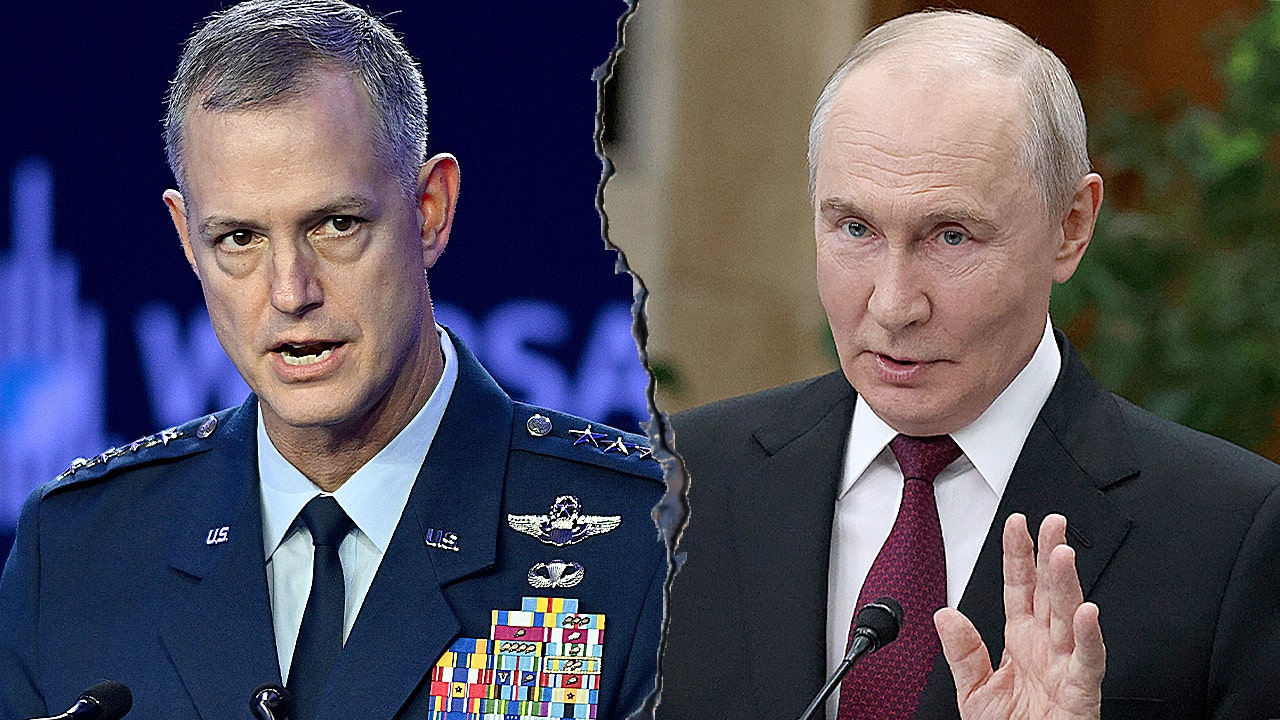
NATO warns Russia: 'We will break' forces, destroy 'anything and everything' if you attack
Summary
NATO Supreme Allied Commander Europe Gen. Alexus Grynkewich warned that the alliance would block, blunt, and potentially destroy the broader military systems supporting any Russian attack on allied territory. His remarks came amid reported drone incursions, suspected sabotage, cyberattacks, and rising tensions along NATO’s eastern flank. The text also cites Russian nuclear warnings over possible efforts to isolate Kaliningrad, continuing strikes on Ukraine, and pressure on European allies to increase defense spending and readiness.
Watchmen Signals
Biblical Context
Military confrontation, deterrence, the duties of rulers, and the pursuit of peace are subjects Scripture addresses directly, even though the reported NATO-Russia tensions do not establish fulfillment of a particular prophecy. Romans 13:1-4 presents governing authorities as responsible for restraining wrongdoing and carrying authority for public protection; this provides a relevant framework for NATO’s stated defensive purpose, while not endorsing every policy or military action. Luke 14:31-32 recognizes that a ruler must soberly assess military strength before entering conflict, which relates to NATO’s emphasis on readiness, capability, and deterrence. Proverbs 24:6 commends obtaining guidance and counsel in warfare, a principle relevant to alliance planning and military decision-making. At the same time, Psalm 34:14 and Romans 12:18 call for pursuing peace and living peaceably where possible. These passages do not require passivity in the face of aggression, but they caution against treating military power and escalating rhetoric as ends in themselves. Jesus’ warning in Matthew 24:6-7 acknowledges wars and rumors of wars as features of a troubled age, yet it is too general to identify the reported NATO-Russia tensions as a specific fulfillment. The article therefore has meaningful biblical relevance through Scripture’s treatment of war, authority, prudence, and peace, but it does not provide a specific prophetic correspondence.
Biblical Sources
Scripture references supporting the biblical context above.
Jesus uses a king assessing whether he can meet an opposing army as an illustration of prudent calculation before conflict, relevant to military readiness and deterrence.
Jesus mentions wars and rumors of wars among conditions of the age, but the passage is a broad warning rather than a specific identification of the NATO-Russia developments as fulfilled prophecy.
Teaches that warfare requires wise counsel and sound guidance, which bears on alliance planning, command decisions, and responses to perceived threats.
Calls people to turn from evil, do good, seek peace, and pursue it; this provides a counterbalancing biblical principle amid threats, retaliation, and escalating military rhetoric.
Urges believers to live peaceably with everyone insofar as it depends on them, relevant to the responsibility to pursue de-escalation where possible even amid serious security concerns.
Describes governing authorities as having responsibility to restrain wrongdoing and uphold public order; this relates to the stated defensive and protective role of NATO members, without validating every military decision.
Comments
No comments yet.
Sign in to join the conversation.
Sign In