Mamdani unveils sweeping NYPD use-of-force review, but stops short of fulfilling key campaign promises
Summary
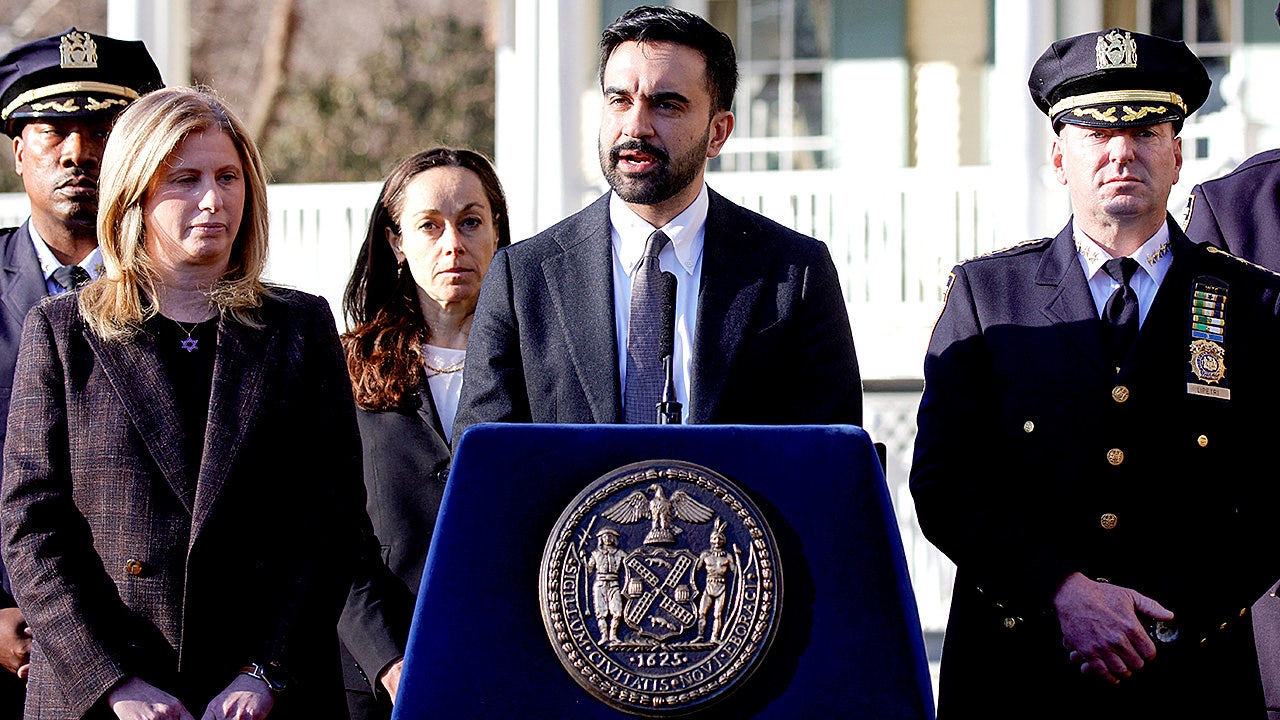
New York City Mayor Zohran Mamdani announced an internal review of NYPD use of force, backed by $2.6 million for the department’s inspector general and a policy requiring state notification when officers facing discipline retire. The initiative followed the retirement of an officer involved in the 2024 fatal shooting of 19-year-old Win Rozario, whose family has sought accountability. However, Mamdani has not fulfilled campaign promises to disband the Strategic Response Group, end a suspected-gang database, or reduce police involvement in low-level offenses.
Watchmen Signals
Biblical Context
Government’s authority to restrain wrongdoing does not remove its obligation to exercise force justly and proportionately. Romans 13:1-4 recognizes civil authority as having a legitimate role in protecting the public and punishing wrongdoing, but it describes that authority as a servant for the good—not as an unlimited license for coercion. That principle is relevant to the review of police force and to the question of whether officers are held accountable when force may have been misused. The reported death of a young man experiencing a mental-health crisis also raises Scripture’s concern for vulnerable people and for impartial justice. Proverbs 31:8-9 calls rulers to speak for those who cannot adequately protect themselves and to judge fairly, while Isaiah 10:1-2 condemns officials who issue unjust rules and deprive vulnerable people of justice. These passages do not determine whether the officers’ actions in the Rozario case were legally justified, but they support careful scrutiny of policies affecting people in crisis and of systems that may allow disciplinary accountability to be avoided. Micah 6:8 summarizes the governing posture Scripture requires—doing justice, loving mercy, and walking humbly. It offers a broad moral framework for evaluating both the mayor’s review and the police department’s conduct. The passage does not endorse a particular modern policing structure, nor does it establish that the reported events fulfill prophecy. The article presents a localized dispute over force, oversight, and reform, making the biblical connection meaningful but not prophetic.
Biblical Sources
Scripture references supporting the biblical context above.
Isaiah condemns unjust official policies that deprive vulnerable people of justice. The connection is relevant to institutional rules, use-of-force policies, and disciplinary systems, though the passage does not address the specific legal facts of this case.
The call to do justice, love mercy, and walk humbly provides a broad ethical framework for evaluating the mayor’s accountability measures and the treatment of people affected by police force.
These verses call those with authority to speak for the vulnerable and judge righteously. They relate to scrutiny of police responses involving a person experiencing a mental-health crisis and to the city’s responsibility to provide fair oversight.
The passage recognizes government authority to restrain wrongdoing while portraying that authority as accountable public service for the good. It directly informs consideration of police power, lawful force, and public accountability.
Comments
No comments yet.
Sign in to join the conversation.
Sign In