Idaho professor falsely accused of student murders by TikTok psychic reveals fear for children's safety
Summary
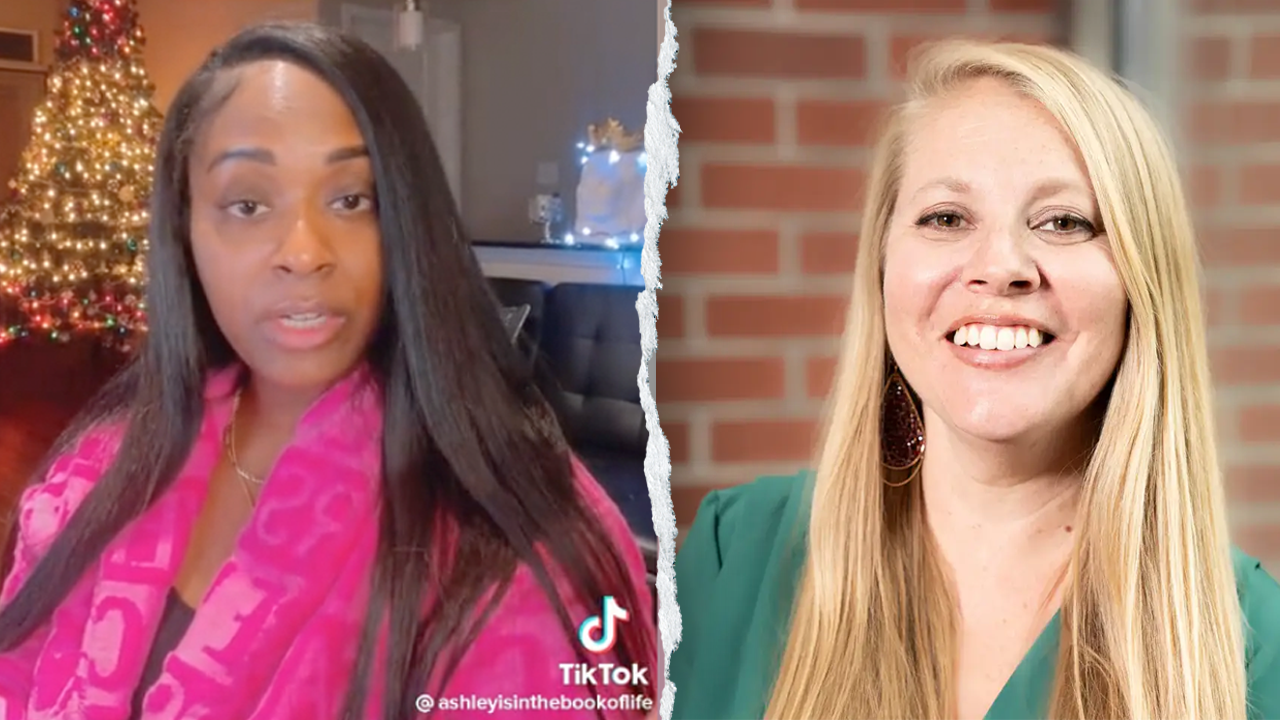
University of Idaho historian Rebecca Scofield says false TikTok accusations linking her to the 2022 murders of four students left her fearful for her children, unable to sleep, and temporarily teaching remotely. TikTok user Ashley Guillard posted more than 100 videos, which Scofield says received millions of views and generated disturbing messages and threats despite police statements clearing her. A federal jury awarded Scofield $10 million in a defamation lawsuit; Guillard has appealed. Scofield’s op-ed also questions platform accountability and Section 230 protections.
Watchmen Signals
Biblical Context
False accusations, deception, and the damage caused by spreading unverified claims are matters Scripture addresses directly. The command against bearing false witness in Exodus 20:16 establishes a prohibition against false testimony, while Proverbs 12:22 contrasts lying lips with faithfulness. Those passages apply plainly to knowingly or recklessly presenting unsupported accusations as fact, although the supplied account does not establish Guillard’s inner motives beyond the reported conduct. The New Testament likewise instructs believers to reject falsehood and speak truthfully to one another. Ephesians 4:25 is especially relevant to the contrast between evidence-based truth and viral allegations. James 3:5-6 offers a broader warning about how speech can spread and cause disproportionate harm; its immediate context concerns the tongue and moral responsibility, not modern social-media algorithms, so the comparison should not be treated as a direct prediction about digital platforms. The threats and fear described in the account also make principles of justice and accountability relevant. Scripture condemns malicious testimony and calls for truthful dealings, but it does not directly prescribe a modern defamation remedy, determine the proper scope of Section 230, or establish that platforms should bear the same liability as individual speakers. The article therefore supports a meaningful biblical examination of false testimony, slander, deception, and responsibility, while offering no specific prophetic correspondence.
Biblical Sources
Scripture references supporting the biblical context above.
Paul instructs believers to put away falsehood and speak truthfully, directly relating to the contrast between verified facts and alleged online misinformation.
The command against bearing false witness directly addresses presenting false accusations or testimony against another person.
James warns that speech can produce extensive damage, offering a broader thematic parallel to the reported spread and consequences of defamatory videos.
This proverb condemns lying and commends faithfulness, providing a direct principle for evaluating unsupported public accusations.
Comments
No comments yet.
Sign in to join the conversation.
Sign In