Two Indian Sailors Missing After Drone Attack on Tanker Off Oman
Summary
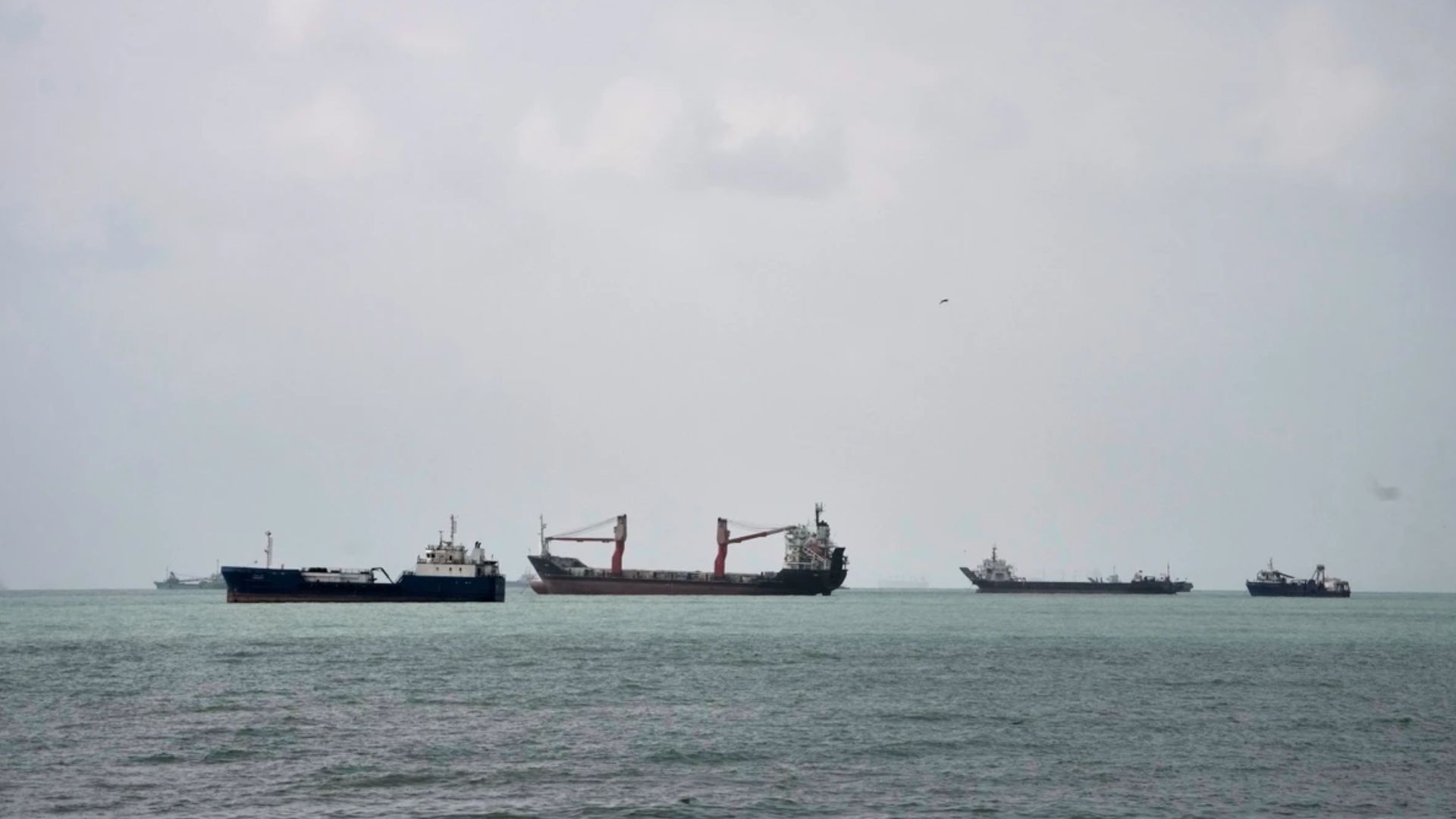
Two Indian sailors were still missing Monday after a drone struck the tanker MT Petro Dolphin at Oman’s Sohar Anchorage on Sunday. India’s shipping minister said nine other Indian crew members were rescued, while Omani coast guard teams continued the search. A second tanker, the Marshall Islands-flagged MT Valthera, was hit by an unidentified projectile and caught fire. India condemned both incidents, but no party had claimed responsibility or been identified as responsible.
Watchmen Signals
Biblical Context
The deaths or disappearances of sailors and the use of force against commercial vessels place the events within subjects Scripture directly addresses: violence, danger, justice, and the responsibilities of authorities. Genesis 9:6 establishes the seriousness of taking human life, while Exodus 20:13 prohibits murder; these passages support the moral gravity of attacks that place civilian crews in danger, although they do not identify the perpetrators or settle the facts of this incident. Romans 13:1-4 describes governing authorities as responsible for restraining wrongdoing and protecting the public good. That principle is relevant to Oman’s coast guard search, India’s diplomatic response, and the broader duty of states to protect sailors and secure maritime routes. It does not imply that every government action is righteous, nor does it establish which authority is responsible for these attacks. Jesus’ teaching in Matthew 5:9 commends peacemaking, and James 4:1-2 links conflicts and violence to human desires and disputes. These passages provide ethical and spiritual perspective on the hostility represented by the strikes, but they are not predictions of this particular event. Scripture also contains broad warnings about wars and violence, such as Matthew 24:6-7, yet the reported tanker attacks do not correspond to a distinctive prophetic event. The facts support a meaningful biblical discussion of violence, human vulnerability, justice, and public authority, but no specific prophecy can responsibly be identified from them.
Biblical Sources
Scripture references supporting the biblical context above.
The prohibition of murder provides a direct ethical principle relevant to deliberate violence against civilian crews, without determining who was responsible.
The passage affirms the seriousness of taking human life and supports the moral significance of sailors being endangered or potentially killed in the attacks.
James addresses the human sources and destructive consequences of conflict, offering ethical context for violence between unknown actors.
Jesus’ commendation of peacemakers provides a relevant moral framework for evaluating armed attacks and efforts to prevent further conflict.
Jesus mentions wars and rumors of wars in a broad end-times warning; the passage shows why warfare is biblically significant but does not specifically identify these tanker strikes as prophecy.
Paul describes governing authorities as having a responsibility to restrain wrongdoing, which relates to the coast guard search, diplomatic response, and protection of maritime travelers.
Comments
No comments yet.
Sign in to join the conversation.
Sign In