Why are the Houthis attacking Saudi airports and how are the missiles getting through?
Summary
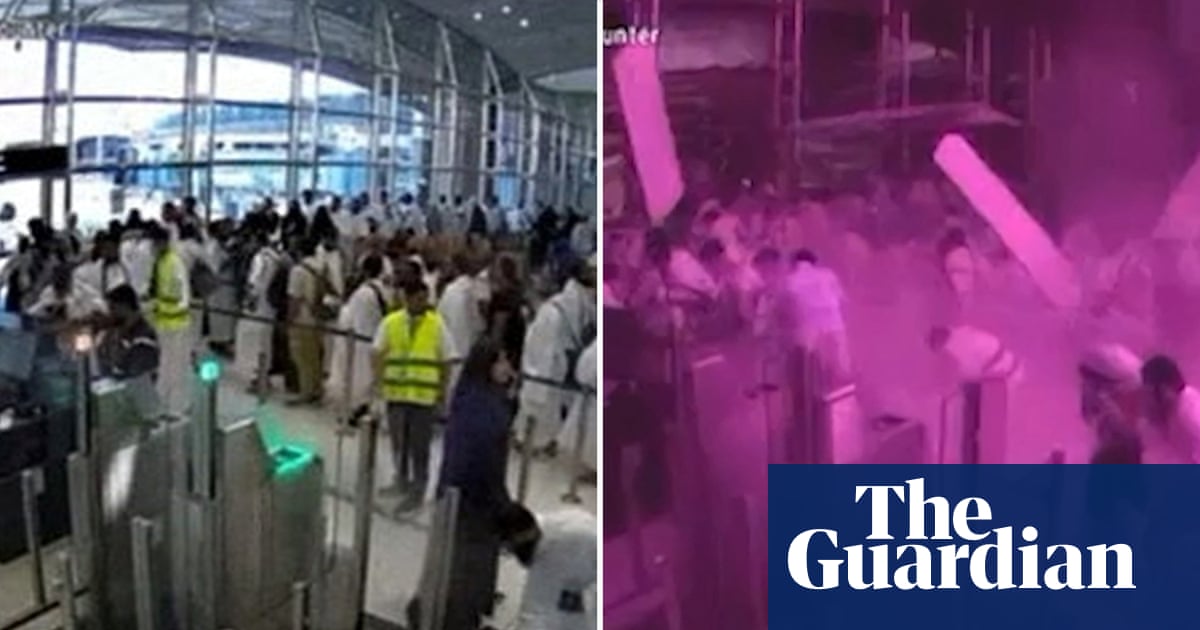
The article reports that Houthi forces in Yemen launched missile attacks on Riyadh, including a strike that allegedly hit the international airport, killing 13 people and injuring hundreds, followed by another attack that killed one and wounded nearly a dozen. The escalation has disrupted Saudi aviation, schools, businesses, and an energy conference. The Houthis’ control near the Bab al-Mandab Strait threatens a major Red Sea shipping route, while their alignment with Iran raises concerns about wider regional conflict, oil supplies, fuel prices, and inflation.
Watchmen Signals
Biblical Context
The deaths and injuries among civilians place the conflict within Scripture’s serious concern for the protection of human life and the pursuit of justice. Psalm 82:3-4 calls rulers to defend the weak and rescue those threatened by violence; that principle is relevant to attacks on airport passengers and other civilians, as well as to the responsibility of governments conducting military operations to consider those under their authority. Proverbs 24:11-12 likewise emphasizes the duty to intervene when people are being led toward death and rejects indifference to preventable harm. The struggle among the Houthis, Saudi Arabia, Yemen’s government, Iran, and the United States also illustrates the biblical warning that conflicts often arise from competing desires and ambitions. James 4:1-2 identifies quarrels and wars as flowing from disordered desires, a broad moral analysis rather than a judgment on the motives of every actor in this particular conflict. Romans 13:1-4 describes civil authority as having responsibility to restrain wrongdoing and pursue public order; it can illuminate the stated duties of governments, but it does not automatically endorse every military decision or retaliation. Scripture’s preference for peace is also directly relevant to the prospect of an expanding regional conflict and threats to shipping, energy supplies, and civilian life. Romans 12:18 urges believers, so far as it depends on them, to live peaceably with others, while Matthew 5:9 blesses peacemakers. These passages address moral responsibility and conduct rather than providing a geopolitical forecast. No specific biblical prophecy is established by the reported missile strikes: the presence of war, Middle Eastern nations, Iran, or strategic waterways is not by itself a distinctive correspondence to a prophetic passage.
Biblical Sources
Scripture references supporting the biblical context above.
Explains that conflicts and wars arise from sinful desires and competing ambitions. This provides a broad biblical framework for examining the regional struggle, without assigning motives to every party.
Commends peacemakers. The passage provides a clear ethical contrast to cycles of retaliation and supports concern for efforts to end the hostilities.
Urges people not to stand by when others face death and stresses accountability for ignoring threatened lives. It supports the article’s concern with civilian casualties and preventable harm.
Calls those with authority to defend the weak, uphold the afflicted, and rescue people from violence. This relates to the protection of civilians affected by missile attacks and military operations.
Instructs believers to pursue peace as far as it depends on them. This directly relates to the human and regional costs of continued escalation, though it is a moral instruction rather than a prediction.
Describes governmental authority as responsible for public order and the restraint of wrongdoing. It is relevant to the stated roles of Saudi Arabia, Yemen’s government, and other authorities, while not validating every action they take.
Comments
No comments yet.
Sign in to join the conversation.
Sign In