Viewpoint: RFK Jr.’s new CDC head Erica Schwartz greenlights hepatitis B vaccine study critics call “unethical and designed to cast doubts on its safety”
Summary
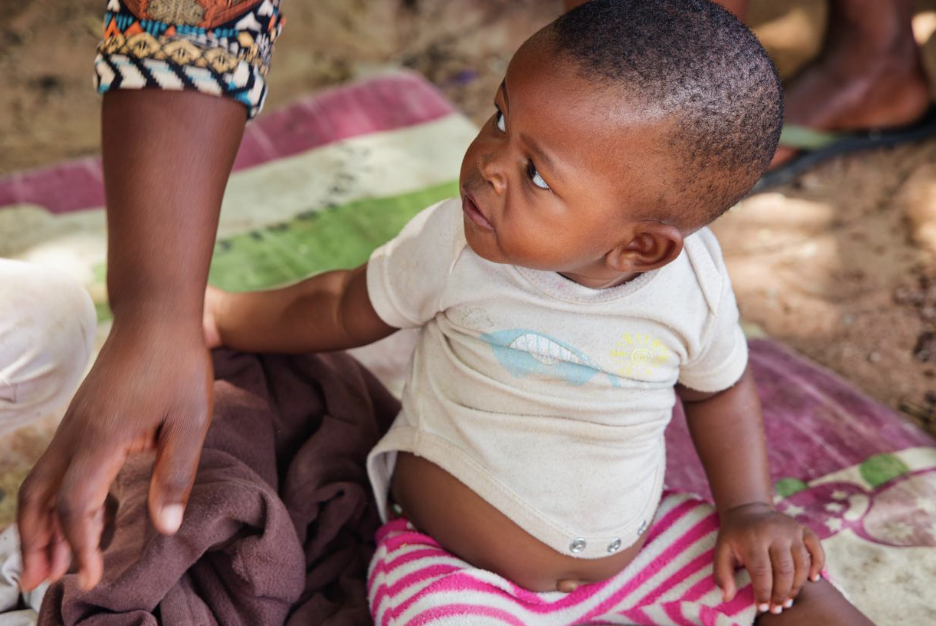
The CDC is reportedly setting aside $1.6 million in global health-security funds to revive a hepatitis B vaccine trial in Guinea-Bissau. The proposed study would involve 14,000 newborns, with half receiving the hepatitis B birth dose and half not, despite the country’s high hepatitis B prevalence. Critics, including pediatrician Paul Offit and the World Health Organization, question the trial’s ethics and potential risks. Researchers defend it as consistent with Guinea-Bissau’s current national policy. Final local approval remains pending, and the CDC director’s involvement is unclear.
Watchmen Signals
Biblical Context
The proposed enrollment of 14,000 newborns places unusually vulnerable people at the center of a dispute over medical risk, informed protection, and institutional responsibility. Proverbs 31:8-9 calls for speaking up for those who cannot speak for themselves and defending the rights of the poor and needy. Newborns cannot consent or advocate for themselves, so the passage offers a meaningful principle for evaluating whether their interests are being adequately protected. It does not, however, settle the scientific or regulatory question about this particular trial. Psalm 82:3-4 similarly commands those with authority to defend the weak and vulnerable and rescue them from oppression. That principle is relevant to the responsibilities of researchers, ethics committees, universities, and government agencies when decisions may expose infants to preventable harm. The passage should not be treated as a technical rule governing vaccine trials, but it supports careful scrutiny of whether institutional power is being exercised for the protection of those least able to protect themselves. The Bible also grounds the value of human life in the creation of people in God’s image (Genesis 1:27). That broad theological foundation is relevant when newborns are considered primarily as subjects in a large research design. It does not imply that all medical research is wrong or that withholding an intervention is always impermissible; rather, it reinforces the need to treat each child as a person whose welfare cannot be reduced to the pursuit of aggregate data. Justice and impartiality are also relevant. James 2:1-4 condemns favoritism and unequal treatment based on status, while Exodus 23:6 warns against perverting justice. These passages do not directly address international clinical research, but they support examining whether poorer communities and infants in Guinea-Bissau are being selected because they have less power to resist a disputed protocol, or whether the study has a genuinely defensible medical and ethical rationale. The supplied facts do not establish exploitation, so that remains a question for investigation rather than a conclusion. No specific biblical prophecy is reasonably identified in the reported funding decision, vaccine trial, or ethical controversy. The matter is relevant to biblical principles concerning human dignity, protection of the vulnerable, justice, and accountability, but it is not a recognizable fulfillment of a particular prophetic passage.
Biblical Sources
Scripture references supporting the biblical context above.
The command not to pervert justice supports careful, impartial review of competing claims about medical risk, local standards of care, and institutional responsibility.
The teaching that human beings are made in God’s image supports the inherent dignity of each infant and cautions against treating research subjects merely as instruments for obtaining data.
This passage condemns favoritism and unequal regard, offering a broader principle for examining whether vulnerable communities are being selected for disputed research because of their limited power or status.
These verses call for defending those who cannot speak for themselves and protecting the rights of the vulnerable, which applies by principle to newborns unable to consent or advocate for themselves.
The passage charges people in positions of judgment and authority to defend the weak and needy, providing a relevant principle for researchers, ethics committees, universities, and public officials.
Comments
No comments yet.
Sign in to join the conversation.
Sign In