UN rapporteur joins weekly hunger strike over Iran's execution surge and protest crackdown
Summary
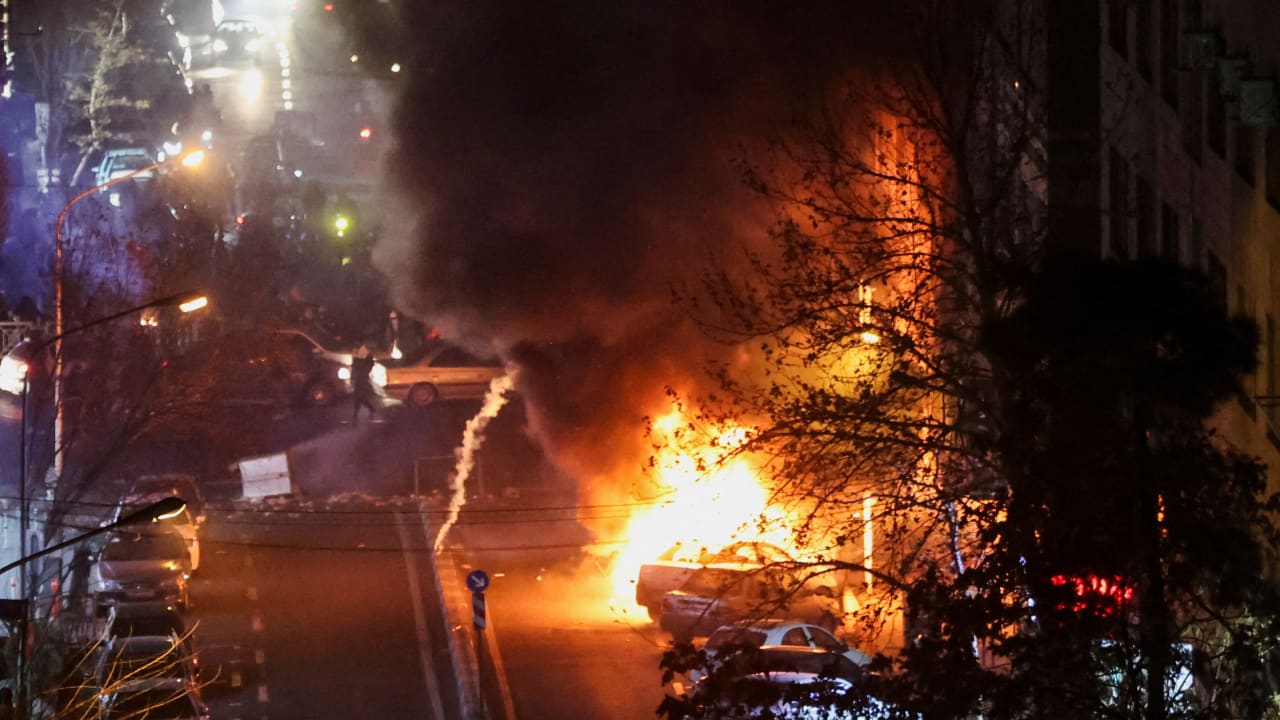
UN special rapporteur Gina Romero Rodríguez said she will join Iran’s weekly “No-Execution Tuesday” hunger strike to protest executions, suppression of peaceful assembly, and alleged abuses against protesters. She cited claims that thousands were killed during January demonstrations and that at least 46 political prisoners or protesters have been executed since March 19. Human-rights organizations also reported at least 2,003 executions in Iran between October 10, 2025, and October 8, 2026, including cases involving alleged torture, coerced confessions, and juvenile offenders.
Watchmen Signals
Biblical Context
The reported execution of protesters, alleged torture and coerced confessions, denial of legal safeguards, and suppression of peaceful dissent directly raise biblical concerns about justice, the protection of innocent life, and the accountability of rulers. Psalm 82:3-4 calls those with authority to defend the weak and oppressed and to rescue them from the hand of the wicked. That principle bears directly on allegations that detainees and protesters were abused, denied fair process, or executed for political activity. Proverbs 31:8-9 likewise commands advocacy for those who cannot speak for themselves and demands impartial justice for the poor and vulnerable; it is relevant to the reported cases of young prisoners and people facing execution. Isaiah 10:1-2 condemns rulers who enact unjust decrees and deprive the vulnerable of justice. This is a substantive parallel to the report’s allegations of politically motivated prosecutions and systematic procedural unfairness, though the passage is not a prediction about modern Iran. Exodus 23:7 warns against putting an innocent person to death and requires careful protection against wrongful execution. Its principle is especially relevant to claims of torture, coerced confessions, and unreliable proceedings. Romans 13:1-4 describes government authority as intended to restrain wrongdoing and serve a legitimate public good. It does not grant rulers unlimited power; rather, it presents authority as accountable to the purpose of protecting society and punishing genuine wrongdoing. Allegations that state power is being used to silence peaceful political expression therefore represent a serious departure from that stated purpose. These passages support the established biblical connection because Scripture meaningfully addresses oppression, unjust judgment, abuse of authority, and the duty to protect life. They do not, however, identify Iran or establish that the reported events fulfill a specific biblical prophecy. The article presents a grave pattern of alleged repression, but the connection to prophecy remains general rather than textually specific.
Biblical Sources
Scripture references supporting the biblical context above.
Warns against wrongful execution and emphasizes protection of the innocent, particularly relevant to allegations of torture and coerced confessions.
Condemns unjust decrees and the deprivation of justice, providing a direct biblical principle for evaluating alleged politically abusive legal proceedings.
Commands advocacy for those unable to speak for themselves and impartial judgment, relevant to prisoners, young defendants, and people facing execution.
Calls authorities to defend the weak and oppressed and rescue them from injustice, directly illuminating the reported treatment of protesters and detainees.
Describes government authority as accountable to the purpose of restraining wrongdoing and serving public good, which provides a standard against alleged state abuse.
Comments
No comments yet.
Sign in to join the conversation.
Sign In