Israel condemns deadly Houthi attack on Saudi airport amid reports US wants Israel to strike in Yemen
Summary
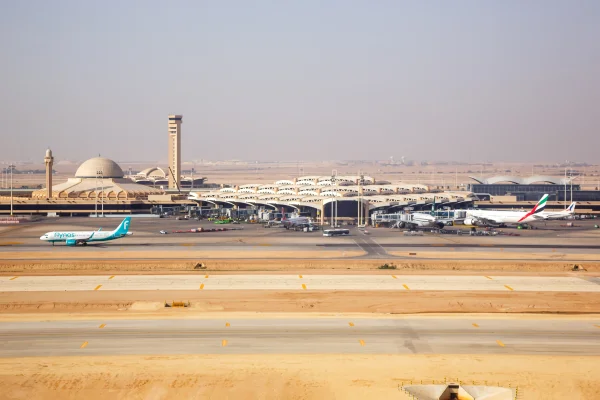
Houthi forces reportedly launched repeated ballistic and cruise-missile attacks on King Khalid International Airport in Riyadh, with the deadliest strike killing 12 or 13 people and injuring more than 300. Saudi Arabia has appealed for assistance from the United States, Israel, Turkey, Pakistan, and other partners. Washington is weighing involvement, while Israeli officials warn that intervention could broaden the conflict and affect Israel’s elections. The attacks are also damaging Saudi aviation, investment, and economic plans amid its wider confrontation with Iran and the Houthis.
Watchmen Signals
Biblical Context
The deaths and injuries at a civilian airport place the human cost of armed conflict at the center of the story. Scripture consistently treats the protection of life and the pursuit of justice as responsibilities of rulers, while warning that violence produces wider disorder. Romans 13:1-4 describes governing authorities as accountable to God for restraining wrongdoing and protecting the public. That principle is relevant to Saudi appeals for defense, U.S. and Israeli deliberations over military assistance, and the duty of governments to protect civilians. It does not, by itself, endorse any particular Saudi, Israeli, American, Iranian, or Houthi policy. Psalm 82:3-4 calls those with power to defend the weak and vulnerable and to rescue them from the hand of the wicked. The passage provides a direct moral lens for evaluating missile attacks that endanger travelers and airport workers, as well as the responsibility of governments to protect civilians rather than treat them as instruments of war. Matthew 5:9 commends peacemaking. That teaching is relevant to the reported tension between deterrence and further escalation: a response should not be judged only by whether it demonstrates force, but also by whether it protects people and contributes to a just and durable peace. Similarly, James 4:1-2 identifies conflict as arising from disordered desires and disputes. It offers a general moral diagnosis of warfare, not a specific explanation of the Houthi-Iran-Saudi conflict. The supplied facts do not establish a specific fulfillment of biblical prophecy. References to regional war, Iran, Israel, missiles, and escalating alliances are not enough to identify a particular prophetic passage with confidence.
Biblical Sources
Scripture references supporting the biblical context above.
James describes wars and conflicts as flowing from quarrelsome desires and disputes. The connection is a general moral principle applicable to the escalation described, not a specific identification of the motives of each party.
Jesus blesses peacemakers. This is relevant to the tension between military retaliation, deterrence, and efforts to prevent a broader regional war.
The psalm calls rulers to defend the weak and rescue the vulnerable from violence. It directly illuminates the deaths, injuries, and danger faced by civilians at the airport.
Paul presents governing authorities as accountable for restraining wrongdoing and protecting the public. This materially relates to governments’ responsibilities during missile attacks and to decisions about military defense, while not validating any particular government’s actions.
Comments
No comments yet.
Sign in to join the conversation.
Sign In