Study reveals continued care delays among patients with young-onset breast cancer
Summary
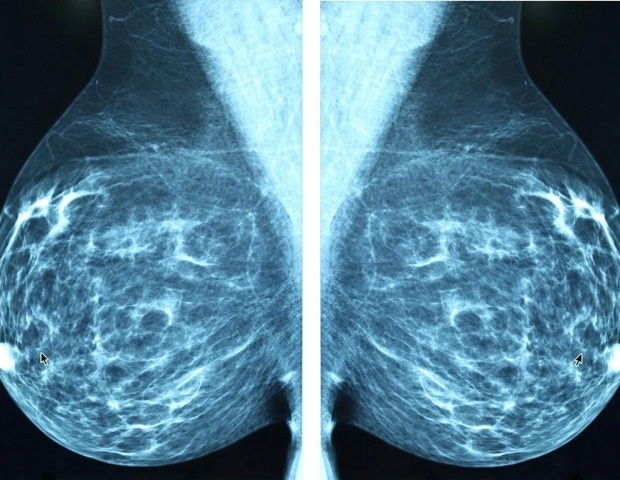
A peer-reviewed analysis of 1,071 women diagnosed with breast cancer by age 40 found that lower income was associated with delays in seeking care, while younger age was linked to delays in diagnosis. The study identified 153 presentation delays, 120 diagnostic delays, and 228 treatment delays. Diagnostic delays were associated with later-stage disease, although delays were not linked to cancer-free or overall survival. Researchers said earlier recognition of symptoms and better understanding among patients and clinicians could reduce disease burden and treatment-related effects.
Watchmen Signals
Biblical Context
Unequal access to timely medical attention and the possibility that a patient's age or economic circumstances can affect how seriously symptoms are treated raise biblical concerns about impartiality, justice, and care for people who are vulnerable. Leviticus 19:15 forbids showing partiality in judgment, while James 2:1-9 specifically warns against treating people differently according to social standing or wealth. These passages do not provide a medical protocol, but they support the principle that economic disadvantage should not result in inferior consideration or access. The reported concern that younger women may face assumptions that they are too young to have cancer also connects with the biblical duty to judge fairly rather than rely on inappropriate status-based distinctions. Proverbs 31:8-9 calls for defending those whose needs may otherwise be overlooked, and Philippians 2:3-4 directs believers to consider the interests of others. In this setting, those principles support attentive listening to symptoms, compassion toward patients, and institutional efforts to reduce avoidable barriers. The Good Samaritan passage in Luke 10:25-37 further presents practical care for an injured and vulnerable person as a moral obligation, including the willingness to provide resources for treatment. The comparison is ethical rather than predictive: Scripture does not address modern cancer screening ages, diagnostic delays, or survival statistics. Nothing in the reported study corresponds to a specific biblical prophecy; it is a medical and public-health finding concerning justice and compassionate care, not evidence of prophetic fulfillment.
Biblical Sources
Scripture references supporting the biblical context above.
Condemns favoritism based on wealth and applies the principle of impartial treatment to unequal treatment of people in need.
Prohibits partiality in judgment and supports fair treatment rather than decisions influenced by social or economic status.
The Good Samaritan illustrates active compassion and practical assistance toward a suffering person, providing an ethical parallel to attentive and timely care.
Encourages believers to reject self-centeredness and consider the interests and welfare of others, relevant to patient-centered care.
Calls for speaking up for those who may be overlooked and defending the rights of the vulnerable.
Comments
No comments yet.
Sign in to join the conversation.
Sign In