The Iran war didn't make your heating bill this high. Blue-state energy policy did
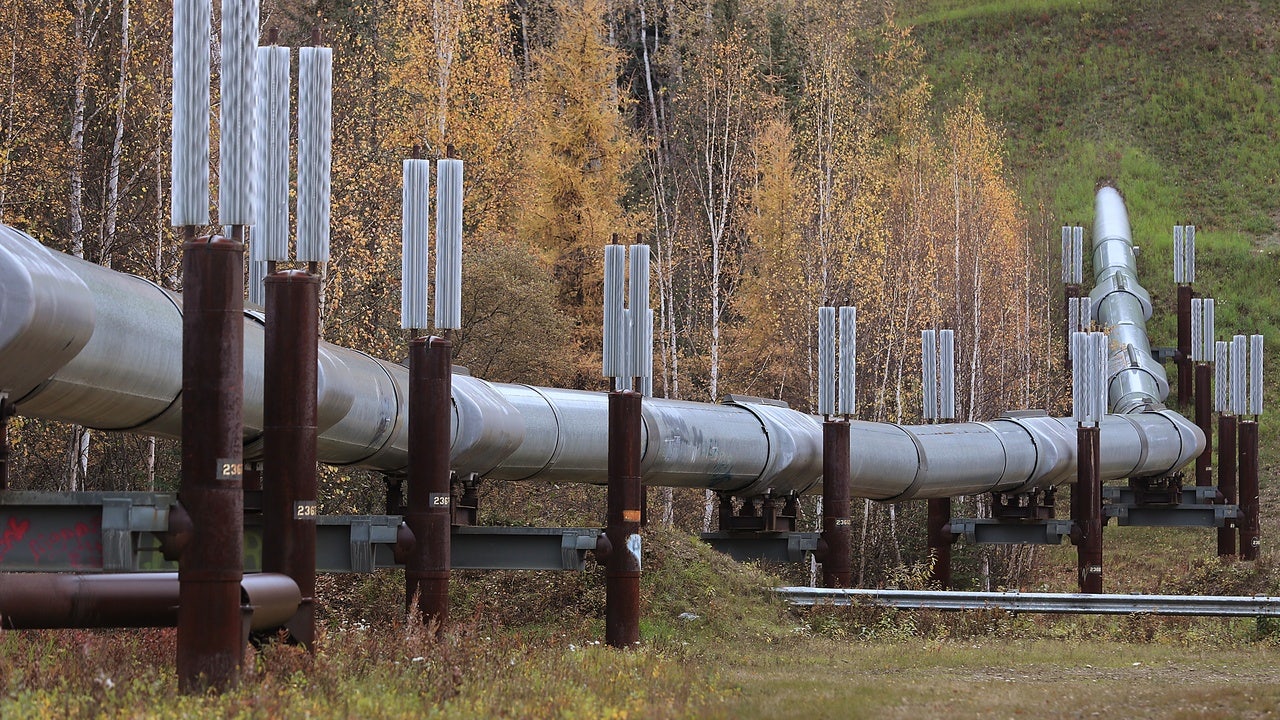
Summary
The opinion piece argues that the Iran war is exposing, rather than causing, U.S. energy vulnerability. It attributes higher heating, gasoline, electricity and transportation costs to global oil pricing, limited refinery capacity, blocked natural-gas pipelines, plant closures and state climate mandates. The author focuses on New York’s rejection of the Constitution Pipeline and warns that winter demand will intensify burdens on households, small businesses and low-income families. It advocates expanded domestic production, pipelines, refineries and reliable power, along with slower implementation of emissions rules.
Watchmen Signals
Biblical Context
Energy policy raises genuine questions of stewardship, government responsibility, economic justice and care for households that have limited ability to absorb higher costs. Genesis 2:15 presents cultivation and keeping creation as responsibilities, which can support careful management of land and resources; it does not prescribe a particular energy technology or require unrestricted extraction. Romans 13:1-4 describes civil authorities as having a legitimate role in maintaining order and pursuing the public good. That principle is relevant to decisions about infrastructure, regulation and reliable provision, while leaving room to debate whether particular policies serve those ends. Scripture repeatedly requires attention to people who are economically vulnerable. Proverbs 31:8-9 calls for defending the needy and securing justice, and Deuteronomy 24:14-15 specifically warns against withholding fair treatment from vulnerable workers. These passages illuminate the article’s concern that heating, transportation and building costs can fall especially hard on low-income families and workers, although they do not settle the policy dispute. The Bible also distinguishes unwillingness to work from inability to work: 2 Thessalonians 3:10-12 addresses people who refuse productive labor, not families unable to avoid unavoidable energy costs. Likewise, biblical teaching about generosity and personal responsibility should not be casually equated with either a government subsidy or a particular market arrangement. Matthew 25:14-30 can illustrate accountability in managing entrusted resources, but its immediate context is Jesus’ teaching about faithful readiness and stewardship, not an energy-policy blueprint. Overall, Scripture materially supports concern for responsible resource management, just governance and protection of vulnerable households. It does not identify a preferred mix of pipelines, refineries, nuclear plants, fossil fuels or climate mandates. No specific biblical prophecy is established by the reported Iran conflict, Persian Gulf risk or energy-price effects; these are general geopolitical and economic developments rather than distinctive fulfillments of a named prophetic passage.
Biblical Sources
Scripture references supporting the biblical context above.
Paul addresses refusal to work and urges orderly productive labor; this helps distinguish biblical teaching about unwilling idleness from the article’s discussion of people unable to avoid rising energy costs.
The law protects economically vulnerable laborers from exploitation and delayed payment, offering a concrete justice principle relevant to costs imposed on workers and households with limited financial flexibility.
God places humanity in the garden to work it and keep it, providing a relevant principle of responsible stewardship of the created environment and its resources.
Jesus’ parable emphasizes accountability for managing entrusted resources. It offers a broad stewardship parallel to public and private resource management, but does not prescribe a specific economic or energy policy.
The passage calls those with authority to speak for the vulnerable and defend their rights, which relates to the article’s concern about energy burdens on low-income families and small businesses.
Paul describes civil authority as having a legitimate responsibility to preserve order and serve the public good, relevant to government decisions about energy infrastructure and regulation.
Comments
No comments yet.
Sign in to join the conversation.
Sign In