31 states have passed a patchwork of laws to limit election deepfake commercials. They’re not working very well.
Summary
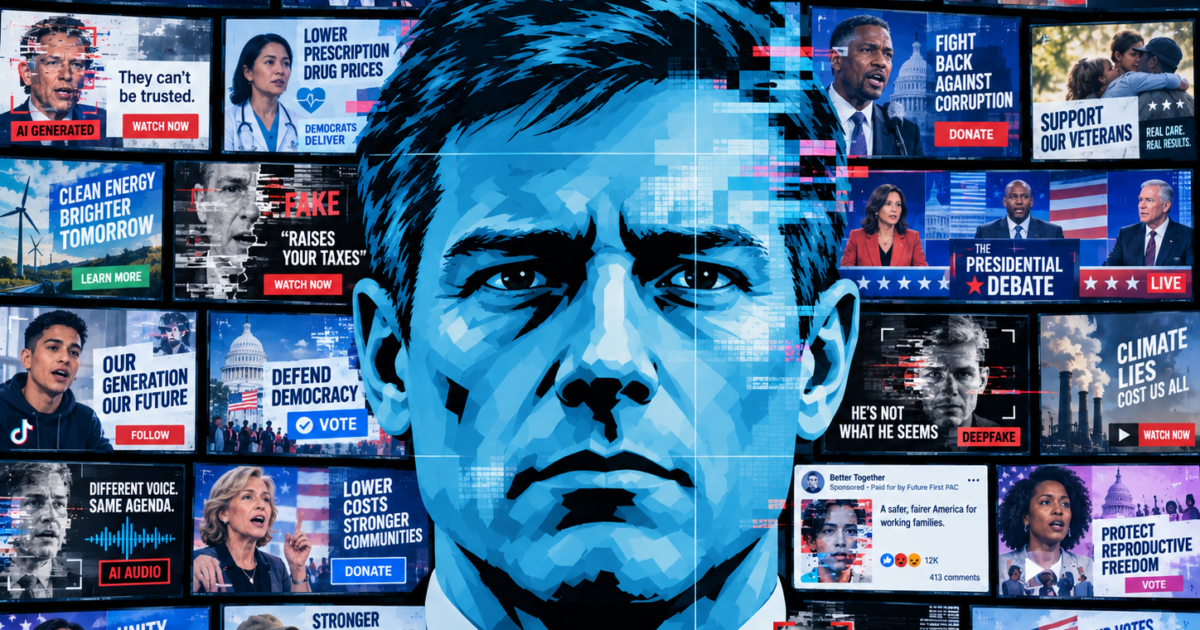
By June 2026, 31 states had laws addressing AI-generated election deepfakes, but the protections differed sharply. Louisiana generally allows covered deceptive content to remain if it carries an AI disclosure, while Maryland prohibits certain knowingly or recklessly distributed deepfakes intended to influence voters, even with a warning. Enforcement, jurisdictional limits, constitutional challenges, and unclear definitions of harm leave significant gaps. Research cited in the article suggests labels may reduce belief in misleading content without substantially reducing willingness to share it.
Watchmen Signals
Biblical Context
Fabricated confessions, manipulated voices, and false election claims directly raise the biblical problem of bearing false witness. Exodus 20:16 prohibits false testimony against another person, while Leviticus 19:11 forbids lying and deceit more broadly. These passages do not address artificial intelligence or campaign regulation specifically, but they plainly condemn the underlying practice of presenting falsehood as truth in a way that can damage a neighbor. The article also concerns public authority responding to deception. Romans 13:1-4 describes civil government as having a responsibility to restrain wrongdoing and pursue public order. That principle can illuminate why states enact penalties and correction mechanisms, although it does not settle whether a particular deepfake law is constitutional, proportionate, or effective. The article’s uncertainty about enforcement and the Montana court ruling underscore that legal authority must still be exercised justly. Proverbs 12:22 contrasts lying lips with those who act faithfully, and Ephesians 4:25 instructs believers to put away falsehood and speak truthfully to one another. These are ethical teachings rather than predictions about AI or elections. They support the conclusion that deliberate political deception is biblically significant, while Scripture offers no specific prophecy identifying modern deepfake laws or this election cycle as prophetic fulfillment. The reported facts show a developing technology and regulatory response, not a distinct prophetic event.
Biblical Sources
Scripture references supporting the biblical context above.
The instruction to put away falsehood and speak truthfully applies ethically to deliberate manipulation of voters and public discourse.
The prohibition against bearing false witness directly relates to fabricated political statements, impersonations, and accusations presented as genuine.
The command not to lie or deceive addresses the underlying conduct involved in knowingly creating or spreading deceptive election content.
The contrast between lying and faithfulness supports the article’s concern with whether public communications can be trusted.
This passage describes civil authority’s responsibility to restrain wrongdoing, providing relevant context for state penalties and election-official responses without endorsing any particular statute.
Comments
No comments yet.
Sign in to join the conversation.
Sign In