Pope Leo denounces death penalty as 'inadmissible' ahead of Pentagon's planned livestreamed execution
Summary
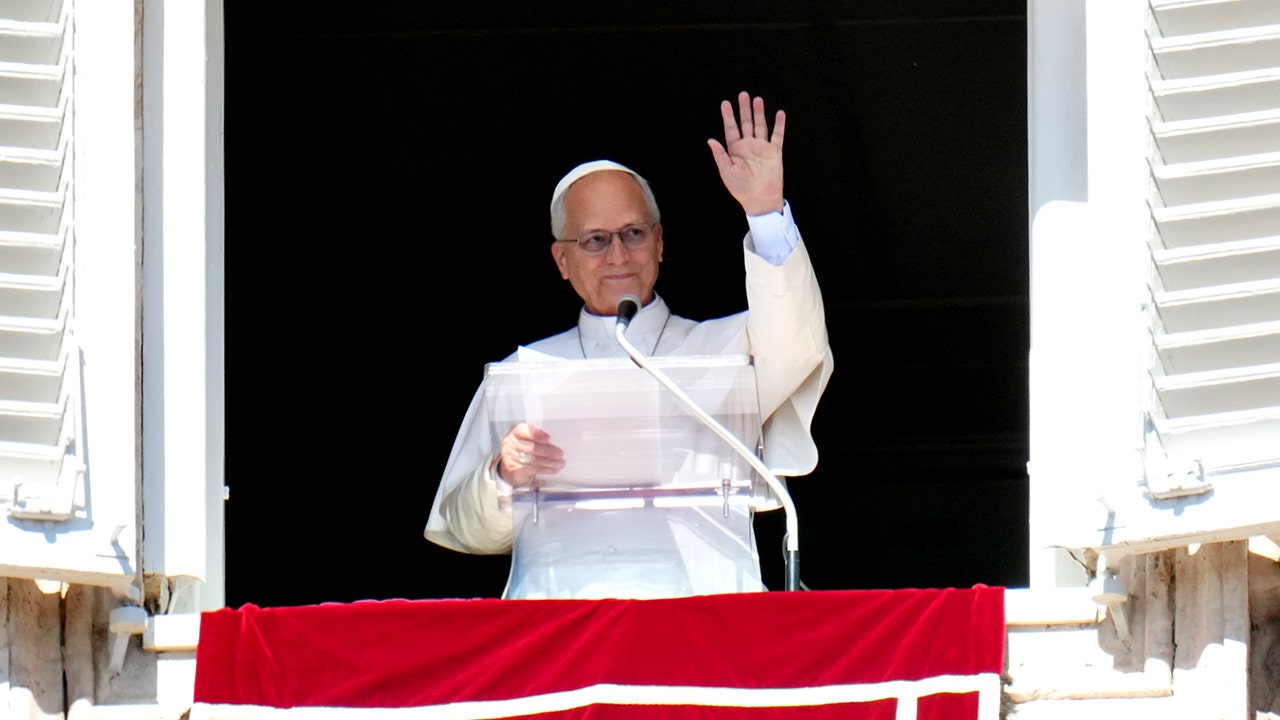
Pope Leo XIV condemned capital punishment as an attack on human dignity as the Pentagon faces criticism over a proposed livestream of the scheduled Dec. 3 execution of Nidal Malik Hasan at Fort Hood. Hasan was convicted of killing 13 people and wounding 32 in the 2009 military-base shooting; the firing squad would be the first U.S. military execution since 1945. President Donald Trump had not decided whether to approve the broadcast, while Catholic leaders and lawmakers called public execution degrading and unacceptable.
Watchmen Signals
Biblical Context
The proposed execution directly raises questions Scripture addresses about government authority, punishment for grave violence, justice, human dignity, and the possibility of repentance. Genesis 9:6 grounds the seriousness of murder in humanity’s creation in God’s image and is one of the clearest biblical texts connecting homicide, human dignity, and the authority to impose severe punishment. Romans 13:1-4 recognizes the governing authority’s responsibility to restrain evil and says that the ruler does not bear the sword in vain; this supports taking state authority and public safety seriously, but it does not specifically settle modern disputes over military executions or livestreaming. At the same time, Genesis 1:26-27 gives the broader theological basis for human dignity, including the dignity of a convicted offender. Ezekiel 18:23 and 33:11 emphasize that God does not delight in the death of the wicked but calls people to turn and live. These passages do not directly prohibit capital punishment, but they support the article’s concern that justice should not erase the moral significance of repentance or reduce death to entertainment. Scripture does not directly address broadcasting an execution. The criticism of making death a spectacle is therefore an ethical application rather than a direct quotation of biblical law. Proverbs 24:23-25’s warning against partiality in judgment supports fair justice, while Romans 12:19 instructs private persons not to take vengeance into their own hands; neither passage independently decides whether a duly authorized government may impose capital punishment. Taken together, the biblical material presents a genuine tension: governments have a responsibility to punish serious evil, while every person—including the guilty—retains God-given dignity and must not be treated as less than human.
Biblical Sources
Scripture references supporting the biblical context above.
Emphasizes that God does not delight in the death of the wicked but desires repentance, supporting consideration of redemption alongside punishment.
Reiterates God’s call for the wicked to turn from wrongdoing and live, relevant to the article’s discussion of whether punishment should leave room for redemption.
Provides the foundational biblical account of human beings bearing God’s image, relevant to claims that even convicted offenders retain human dignity.
Connects the gravity of murder and the authority to impose serious punishment with the fact that human beings are made in God’s image.
Addresses impartial and truthful judgment, a relevant principle when government determines and publicly carries out punishment.
Commands believers not to take personal vengeance, helping distinguish private retaliation from the governmental authority described in Romans 13.
Describes governing authority as responsible for restraining wrongdoing and bearing the sword, directly illuminating the state’s claimed role in punishment and public safety.
Comments
No comments yet.
Sign in to join the conversation.
Sign In