Houthis kill 14 at Saudi airport as expert warns of 'rapid targets' amid Middle East war
Summary
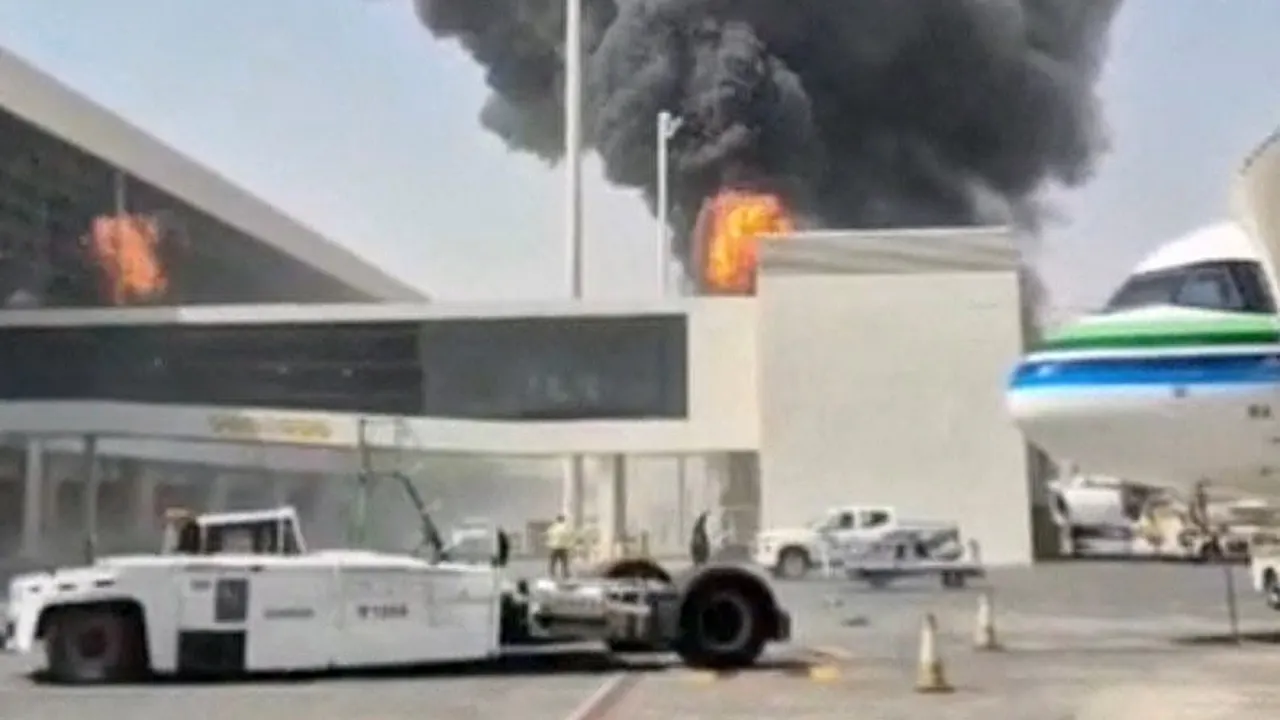
Houthi forces reportedly carried out multiple attacks on Saudi Arabian airports, including Riyadh’s King Khalid International Airport and an airport in Dammam. Reports said at least 14 people were killed, including an American, and more than 300 were injured, though casualty details come from cited reports. The Houthis claimed responsibility for earlier strikes, while U.S. officials blamed the group for a major attack. Saudi Arabia threatened retaliation, and President Donald Trump said the United States was considering supporting military action. Iranian involvement remains unindependently verified, while alleged Russian assistance remains unproven.
Watchmen Signals
Biblical Context
The reported killing and wounding of civilians, attacks on transportation infrastructure, and threatened retaliation place the story within subjects Scripture addresses directly: violence, justice, the protection of the vulnerable, and the responsibilities of governing authorities. Romans 13:1-4 describes civil authority as having a legitimate role in restraining wrongdoing and protecting public order; that principle can illuminate Saudi and U.S. deliberations about responding to attacks, but it does not automatically endorse any particular military action. Psalm 82:3-4 calls those with authority to defend the weak and rescue the vulnerable from oppression. The airport attacks, as reported, endangered travelers, workers, and civilians, making protection of noncombatants a relevant biblical concern. The passage does not determine the appropriate geopolitical response, nor does it establish the factual claims about Iranian or Russian involvement. Jesus’ call to be peacemakers in Matthew 5:9 and Paul’s instruction in Romans 12:17-21 to reject personal vengeance while pursuing what is honorable provide a moral counterweight to escalating retaliation. These teachings do not erase the government’s distinct responsibility to confront violence, but they caution against treating revenge or uncontrolled escalation as a sufficient justification. James 4:1-2 also identifies conflict as arising from hostile desires, offering a general moral diagnosis rather than a specific explanation of this conflict. Nothing in the supplied facts corresponds specifically enough to a biblical prophecy. The presence of war, Iran, Yemen, Saudi Arabia, or the broader Middle East is not by itself evidence that a particular prophetic passage is being fulfilled.
Biblical Sources
Scripture references supporting the biblical context above.
Connects conflicts and quarrels to destructive desires, offering a broad moral perspective on the human drivers of violence without claiming to explain the specific geopolitical actors.
Jesus blesses peacemakers, providing a relevant ethical emphasis amid threats of retaliation and possible regional escalation.
Calls those exercising authority to defend the weak and rescue the oppressed, relevant to the reported danger faced by airport workers, travelers, and civilians.
Instructs believers not to repay evil with evil or pursue personal vengeance, a relevant caution against retaliatory escalation, while distinguishing personal conduct from the state’s separate role in public justice.
Describes governing authority’s responsibility to restrain wrongdoing and uphold public order, relevant to Saudi and U.S. decisions about responding to attacks, while not prescribing a particular military policy.
Comments
No comments yet.
Sign in to join the conversation.
Sign In