Mojtaba Khamenei defies ‘malicious’ attacks as US Army zeroes in on Iran’s 350,000 troops
Summary
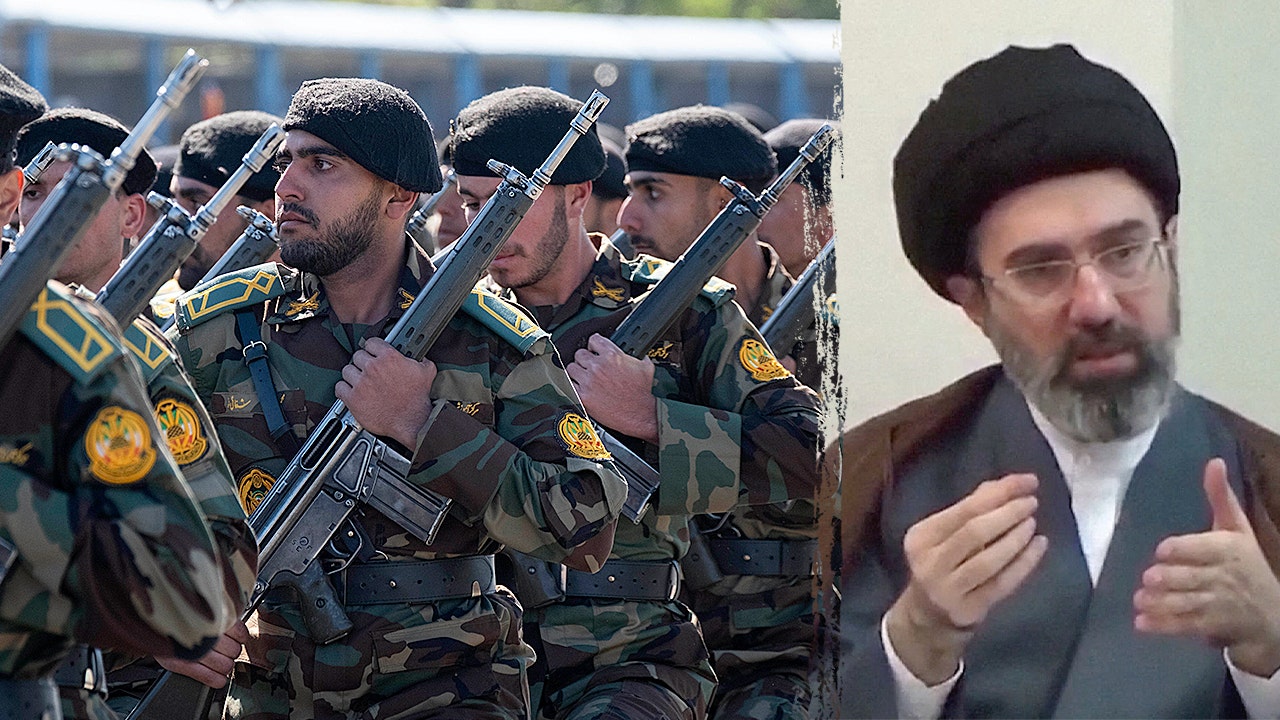
Iranian Supreme Leader Mojtaba Khamenei said U.S. and Israeli strikes had not weakened Iran’s domestic-security forces and called for expanding FARAJA through more personnel, equipment, and artificial-intelligence capabilities. The report says Iran’s conventional Artesh military suffered severe losses in its air, naval, and air-defense branches, while its large ground forces remained largely intact. Iranian officials also claimed military production continued. President Trump said the United States would not resume strikes before the Nov. 3 midterm elections, while the extent of Iran’s recovery remains uncertain.
Watchmen Signals
Biblical Context
War between nations, the authority and conduct of rulers, and the oppression of civilians are all subjects Scripture addresses directly. Jesus warned that believers would hear of wars and rumors of wars, while also cautioning that such events should not automatically be treated as proof that the end has arrived (Matthew 24:6-8). That passage supports sober attention to the conflict but does not identify this particular U.S.-Israeli-Iranian confrontation as prophetic fulfillment. The reported strengthening of FARAJA and its alleged role in suppressing demonstrations also relates to Scripture’s concern with governmental justice. Romans 13:1-4 describes government as having authority to restrain wrongdoing and protect the public, but that purpose stands in tension with arbitrary arrests, violence, and ideological repression as described in the report. Isaiah 10:1-2 condemns rulers who enact unjust decrees and deprive vulnerable people of justice; the connection is a principled application rather than a claim that the passage specifically predicts Iran’s security structure. The conflict also illustrates the limits of military power and human claims of control. Psalm 2 portrays nations and rulers opposing God’s purposes, but the article does not provide enough distinctive evidence to identify the modern conflict with that passage’s prophetic setting. Scripture therefore supports moral and theological reflection on war, authority, oppression, and human accountability, while not establishing that a specific biblical prophecy is being fulfilled.
Biblical Sources
Scripture references supporting the biblical context above.
Isaiah condemns rulers who issue unjust decrees and deprive vulnerable people of justice. This materially relates to the report’s description of internal-security forces involved in suppressing dissent and enforcing coercive restrictions, though the application is thematic rather than predictive.
Jesus speaks of wars, international conflict, and upheaval, while warning that such events are not by themselves proof that the end has arrived. This supports a measured biblical perspective on the reported fighting without treating it as a specific prophecy fulfillment.
The psalm depicts rulers and nations resisting God’s authority. It offers a broader theological framework for considering hostile international alignments, but the reported conflict lacks the distinctive evidence needed to connect it specifically to the psalm’s prophetic setting.
Paul explains that governing authorities possess a legitimate responsibility to restrain wrongdoing and protect public order. The passage provides a standard against which claims about FARAJA’s policing role and alleged abuses can be assessed; it does not endorse repression or arbitrary violence.
Comments
No comments yet.
Sign in to join the conversation.
Sign In