Houthi attack on Riyadh airport will force rethink of Donald Trump’s strategy
Summary
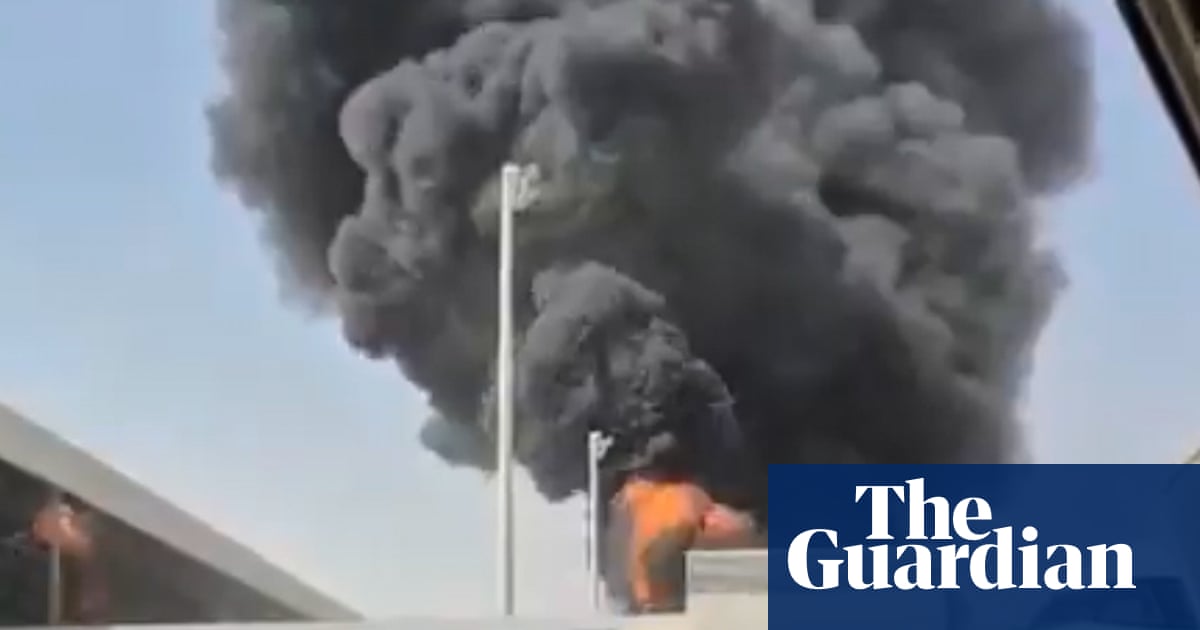
A missile strike on King Khalid International Airport in Riyadh reportedly killed 12 people, including at least one American, and intensified pressure on President Donald Trump to reconsider his approach to the Iran and Yemen conflicts. The report says Trump had sought to limit the political costs of war before the U.S. midterm elections, while blaming Ukrainian attacks on Russian refineries for higher diesel prices. The attack, continuing tensions around the Strait of Hormuz, and uncertainty over U.S. support for Saudi Arabia now threaten that strategy.
Watchmen Signals
Biblical Context
The reported deaths at a civilian airport, continuing attacks across national borders, and pressure on governments to choose between retaliation and negotiation place the story within subjects Scripture addresses directly: the protection of life, the responsibilities of rulers, justice in wartime, and the pursuit of peace. Romans 13:1-4 describes governing authorities as responsible for restraining wrongdoing and protecting public order. That principle is relevant to the reported missile attack and to the question of whether the United States and Saudi Arabia will protect civilians. It does not automatically endorse any particular military response, nor does it establish that every government claim or use of force is just. Luke 14:31-32 presents a ruler's need to assess the cost and consequences of war before committing to battle. The article's discussion of the expense of the Iran conflict, possible attacks on Iran, and the risk of widening the war offers a clear practical parallel. The passage is a general teaching about prudence and the cost of conflict, not a prophecy about the Gulf. Psalm 82:3-4 calls for the defense of the weak and vulnerable against oppression. Civilian deaths and the suffering attributed to the Yemen war make that concern directly relevant, although the passage does not assign responsibility for this particular attack or settle the competing political claims in the report. Matthew 5:9 commends peacemakers, and Romans 12:18 urges believers, insofar as it depends on them, to live peaceably with others. These passages support serious consideration of indirect negotiations and a rejection of revenge as an end in itself. They do not require governments to ignore aggression or eliminate legitimate defense. No specific biblical prophecy is established by the supplied facts. The presence of war, Iran-related tensions, Gulf instability, and international alliances is not by itself enough to identify fulfillment of a particular prophetic passage. The developments are nevertheless important to monitor because they involve a strategically significant region, possible escalation among major powers, civilian protection, and the consequences of rulers' decisions.
Biblical Sources
Scripture references supporting the biblical context above.
Uses a king's assessment of military strength and the cost of war to illustrate prudence, directly relating to the article's discussion of escalation, military expense, and strategic alternatives.
Blesses peacemakers, supporting the article's consideration of negotiation as an alternative to an expanding cycle of retaliation.
Calls for defending the weak and rescuing the vulnerable, a principle relevant to civilian deaths and the humanitarian consequences of the Yemen and Gulf conflicts.
Urges believers to pursue peace where possible; this provides a relevant moral principle for evaluating diplomacy and retaliation without denying the reality of aggression or public responsibility.
Describes governing authorities as having responsibility to restrain wrongdoing and uphold public order, which relates to the reported attack on civilians and decisions about security and military response.
Comments
No comments yet.
Sign in to join the conversation.
Sign In