‘One day the Taliban will need women to be educated’: three sisters on being forced back to Afghanistan
Summary
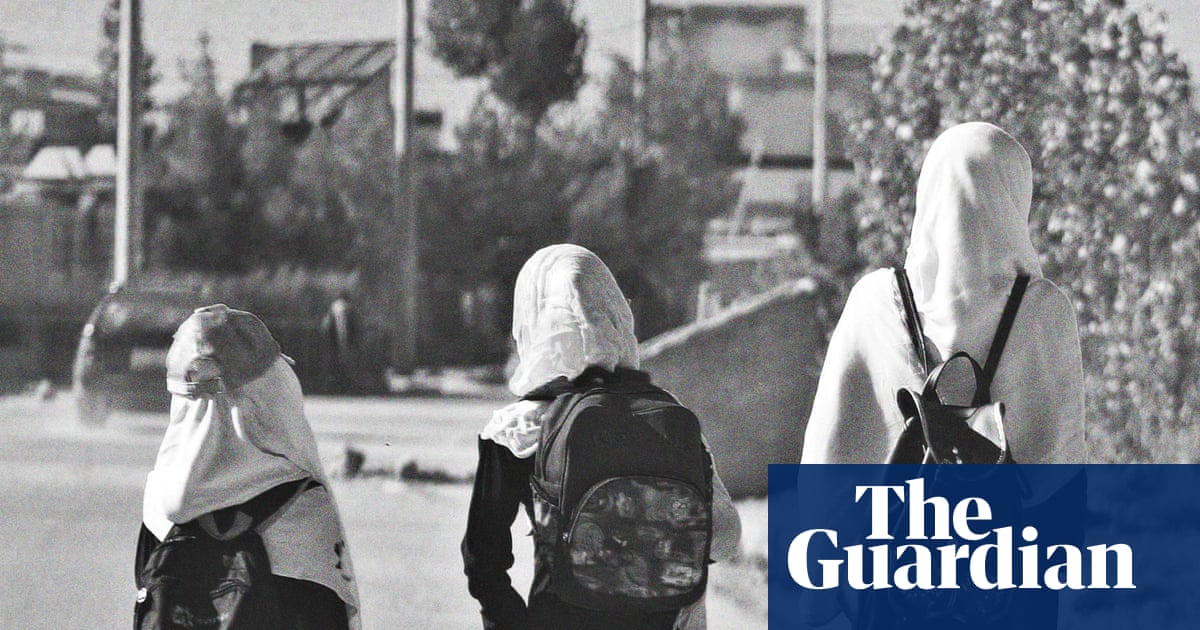
The article follows three Afghan sisters—Maahi, Shallah, and Fatimah—whose family moved between Afghanistan and Iran because of war, insecurity, and restrictions on Afghan refugees’ education. They were living in Qom when the Taliban entered Kabul on 15 August 2021. Although the sisters initially hoped the Taliban might govern more moderately than during the 1990s, their hopes diminished as women and girls in Afghanistan faced bans on secondary and higher education, employment, parks, and other areas of public life. The family was deported from Iran after Iranian authorities intensified arrests and expulsions of Afghans. The article reports that more than one million Afghans were forcibly returned from Iran and Pakistan over the preceding year, including about 400,000 from Iran since the beginning of the year. Now living in Herat, the sisters attend unofficial private classes that cannot provide recognized diplomas. Maahi hopes to complete her education and emigrate, Shallah is considering overseas university study, and Fatimah has appealed to Iranian authorities for permission to return. Their experiences illustrate the combined effects of forced displacement, discrimination, deportation, and Taliban restrictions on Afghan women and girls.
Watchmen Signals
Biblical Context
The article has a legitimate biblical connection concerning the treatment of displaced people, foreigners, and vulnerable persons, as well as the obligation to oppose oppression and pursue justice. These are broad ethical principles rather than evidence that the events fulfill biblical prophecy. Scripture’s concern for the foreigner and the oppressed can be applied to the reported deportations, discrimination, insecurity, and denial of educational and public opportunities. The connection should not be extended into a claim that Scripture specifically predicts the Taliban, Afghanistan’s current government, or these particular deportations.
Biblical Sources
Scripture references supporting the biblical context above.
These verses describe God’s concern for the vulnerable and command care for the foreigner, which is relevant to displaced Afghans and their treatment in Iran and Afghanistan.
Israel is instructed not to mistreat or oppress the foreigner, providing a direct biblical principle relevant to the article’s reports of discrimination and treatment of Afghan refugees.
The call to seek justice and defend the oppressed relates broadly to the article’s accounts of coercion, discrimination, restrictions, and forced displacement.
Comments
No comments yet.
Sign in to join the conversation.
Sign In