Abbas delays Palestinian elections again, making more than two decades without vote
Summary
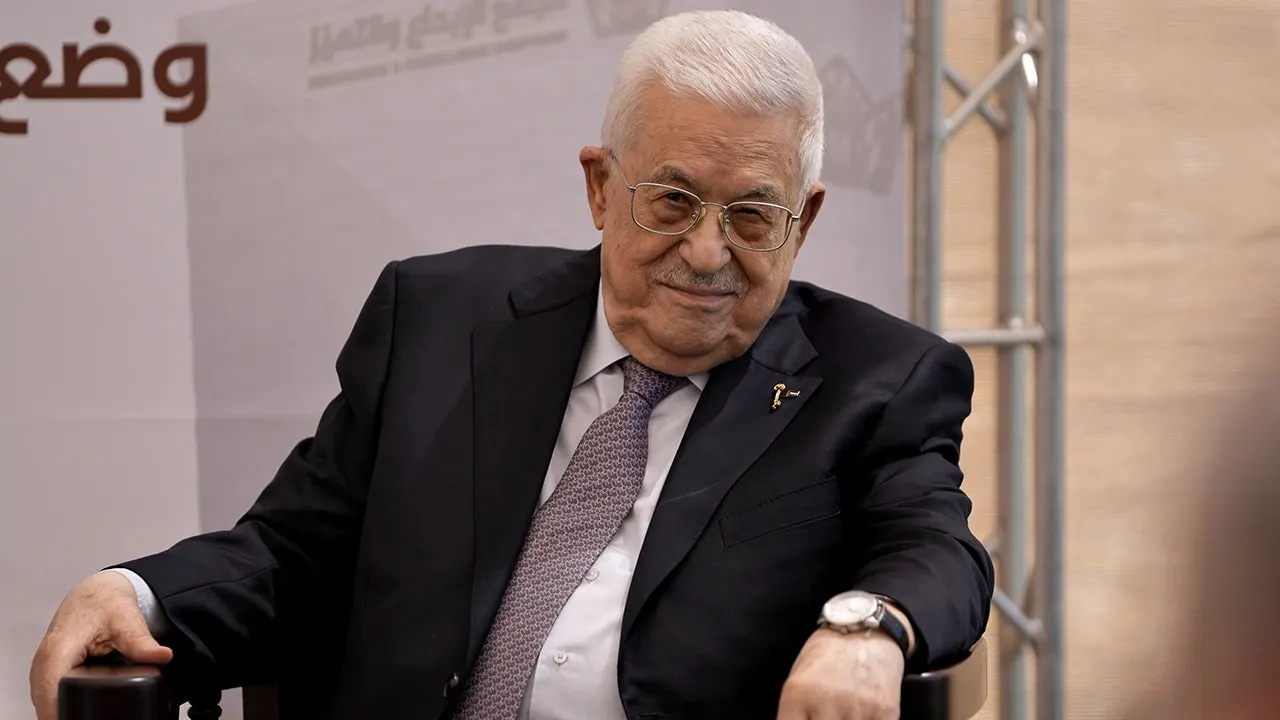
Palestinian Authority President Mahmoud Abbas postponed Palestinian Legislative Council elections from the following month to September 11, 2027, when presidential elections are also scheduled. Palestinians have not held legislative elections since Hamas won in 2006, or presidential elections since Abbas’s 2005 victory. Officials cited conditions in the West Bank, Gaza, and east Jerusalem, while Israel rejected responsibility for obstructing the vote. Hamas welcomed the delay. The decision preserves the existing Fatah-Hamas political division and complicates plans for a future Palestinian Authority role in Gaza.
Watchmen Signals
Biblical Context
The central issues are prolonged political rule without elections, disputed accountability, competing authorities, allegations of corruption, and the effects of governance on civilians in the West Bank, Gaza, and east Jerusalem. Scripture does not prescribe a modern electoral timetable or endorse one Palestinian faction, but it does address the responsibilities of rulers and the danger of power being exercised without justice. Romans 13:1-4 presents governing authority as accountable to God and describes its proper purpose as restraining wrongdoing and promoting what is good. That principle provides a relevant standard for evaluating any authority that claims to govern, including the Palestinian Authority, Hamas, or another body: political control is not itself proof of legitimate or righteous governance. Deuteronomy 16:18-20 commands those exercising judicial authority to judge fairly, reject partiality, and pursue justice. The passage relates directly to the article’s questions about institutional credibility, accountability, and disputed political procedures, although it does not establish whether any party’s specific allegations are true. Isaiah 10:1-2 condemns rulers who enact unjust decrees and deprive vulnerable people of their rights. Its immediate context concerns corrupt leadership in ancient Israel, so applying it to this report is a moral comparison rather than a claim that the modern Palestinian political situation fulfills the passage. It nevertheless illuminates why prolonged rule, corruption allegations, and uncertainty over representation matter beyond political strategy. The article’s references to Gaza, Israel, and east Jerusalem do not by themselves establish prophetic fulfillment. No specific prophetic passage is sufficiently matched by the reported election postponement, political rivalry, or division between Gaza and the West Bank to justify treating these events as a recognizable fulfillment of prophecy.
Biblical Sources
Scripture references supporting the biblical context above.
Commands officials to judge fairly, reject partiality, and pursue justice, directly illuminating concerns about political accountability, institutional credibility, and disputed election conditions.
Condemns unjust decrees and the deprivation of rights by rulers. The connection is a moral comparison concerning corruption and accountability, not a claim that the modern events fulfill this prophecy.
Describes governing authority as accountable to God and responsible for restraining wrongdoing and promoting good, providing a framework for evaluating the purposes and conduct of the competing authorities reported.
Comments
No comments yet.
Sign in to join the conversation.
Sign In