Section of 2,000-year-old Hasmonean aqueduct uncovered in southern Jerusalem
Summary
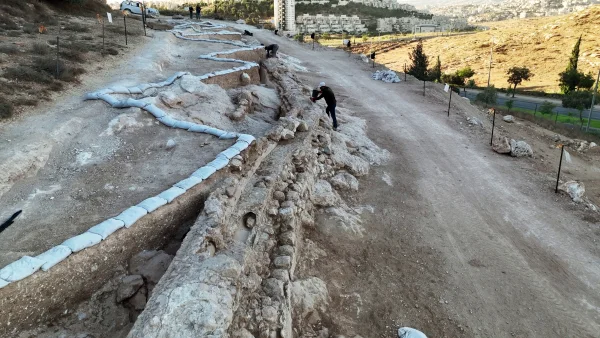
Archaeologists excavating near Ramat Rachel, south of Jerusalem, uncovered about 300 meters of the Lower Aqueduct, a roughly 21-kilometer system that carried water from Ein Eitam and Solomon’s Pools to the Temple Mount. Built probably during the Hasmonean period, around 140–37 B.C., the aqueduct supplied water for priestly washing and for cleaning sacrificial blood. Its carefully graded route, maintenance access points, and later Ottoman-era pipe demonstrate sophisticated engineering and prolonged use, reportedly continuing intermittently until about a century ago.
Watchmen Signals
Biblical Context
The aqueduct’s connection with the Temple Mount, priestly washing, and the handling of sacrificial blood gives the discovery a meaningful biblical context. Exodus 30:17–21 prescribes a basin where Aaron and his sons were to wash their hands and feet before serving at the tent of meeting, establishing that water purification was part of priestly worship. Leviticus 1:5 describes the presentation and splashing of sacrificial blood at the altar, while Leviticus 16:14–19 describes blood used in the purification of the sanctuary during the Day of Atonement. These passages help explain why a dependable water supply and procedures for dealing with sacrificial blood were important to Temple service. The article’s specific claim that this aqueduct washed the Temple’s marble floor comes from the Jerusalem Talmud, not from the biblical text itself. Likewise, the aqueduct is generally dated in the report to the Hasmonean period, centuries after the biblical period and after the First Temple. Scripture therefore supplies the religious practices that make the reported use significant, but it does not describe this aqueduct or identify it as a fulfillment of prophecy. No specific biblical prophetic passage is meaningfully implicated by the excavation.
Biblical Sources
Scripture references supporting the biblical context above.
These verses require Aaron and his sons to wash their hands and feet with water before ministering at the sanctuary, directly supporting the reported connection between water infrastructure and priestly purification.
This verse describes the handling and application of sacrificial blood at the altar, providing biblical context for the article’s report that the aqueduct’s water was used in dealing with sacrificial blood.
These verses describe blood being used to make atonement and purify the sanctuary during the Day of Atonement, materially illuminating the reported concern with removing or cleaning sacrificial blood in the Temple setting.
Comments
No comments yet.
Sign in to join the conversation.
Sign In