Fixated on AI, the world has forgotten what is staring it in the face: nuclear annihilation | Simon Tisdall
Summary
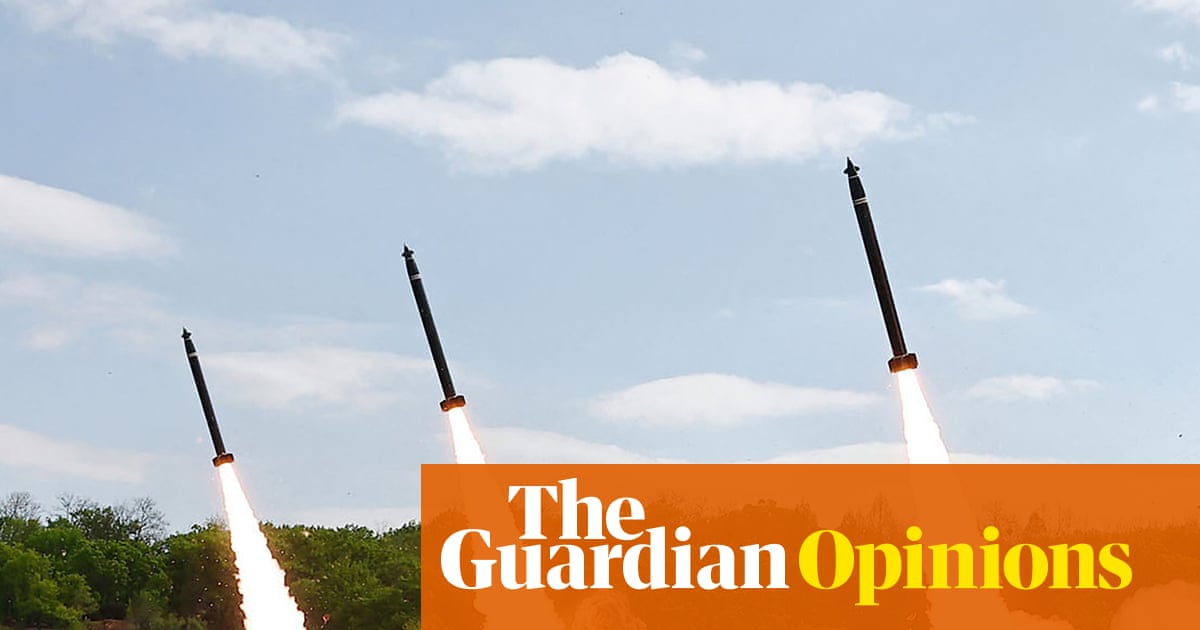
The commentary warns that nuclear risks are increasing amid Russia-NATO tensions, the wars involving Ukraine and Iran, North Korea’s expanding arsenal, China’s buildup, possible proliferation in the Middle East, and weakening arms-control agreements. It also highlights uncertainty created by artificial intelligence in nuclear command systems and the reported development of space-based weapons. Citing warnings from António Guterres and Arms Control Association director Daryl Kimball, the writer argues that political recklessness, public complacency, and declining respect for international rules are bringing catastrophic nuclear conflict closer.
Watchmen Signals
Biblical Context
The article directly engages biblical end-times language, including Revelation, Armageddon, judgment, tribulation, and the warning that people may dismiss last-days warnings. That makes the biblical comparison more than a passing reference. Revelation portrays war, famine, death, and large-scale suffering in its judgment visions, while Jesus warns that wars and upheavals will occur before the end and that the final timing cannot be predicted. These passages provide a genuine framework for comparing the article’s concerns about war and catastrophe with biblical expectations, but they do not identify modern nuclear weapons, Russia, China, Iran, artificial intelligence, or space weapons as specific fulfillments. The clearest prophetic comparison concerns 2 Peter 3:3-7, where Peter says that scoffers will come in the last days and that they will disregard divine judgment. The article explicitly applies this idea to contemporary skepticism and political denial. That is a reasonable interpretive comparison, although the passage is primarily about people scoffing at the promise of Christ’s coming, not about public attitudes toward nuclear policy or artificial intelligence. Matthew 24:6-8 likewise describes wars, rumors of wars, famine, and distress as features of the period preceding the end. The reported nuclear tensions and wars can therefore be viewed as comparable to part of that broad pattern, but the passage itself warns against treating such events as the immediate proof that the end has arrived. Revelation 6:1-8 is relevant to the article’s references to conquest, warfare, famine, and death, and Revelation 8:7-12 and 16:17-21 describe cosmic and environmental judgments. Those connections are thematic and incomplete. The article reports human military preparations and possible technological catastrophe, whereas Revelation presents visionary divine judgments whose timing, mechanism, and meaning are not established by these current events. Scripture therefore supports serious attention to human violence, destructive power, and moral complacency, but it does not permit a confident declaration that nuclear proliferation is the fulfillment of a named prophecy.
Biblical Sources
Scripture references supporting the biblical context above.
Peter warns that scoffers will come in the last days and dismiss the prospect of divine judgment. The article explicitly compares contemporary skepticism and denial with this pattern, though the passage concerns scoffing at Christ's promised coming rather than nuclear policy specifically.
Jesus describes wars, rumors of wars, famine, and distress as part of the beginning of birth pains. This provides a legitimate comparison with the article's focus on war and escalating global danger, while not identifying those events as proof that the end has arrived.
Jesus emphasizes that the timing of the end is unknown and warns people to remain watchful. This qualifies the article's urgency and cautions against predicting when nuclear conflict or final judgment will occur.
The vision includes conquest, warfare, famine, and death. It is relevant to the article's end-times discussion and its concern about war and catastrophe, but it does not specifically describe nuclear weapons or establish a current fulfillment.
These trumpet judgments describe large-scale damage to the earth, vegetation, seas, and heavenly bodies. They provide a thematic comparison to the article's concern about environmental and technological catastrophe, not a specific identification of present nuclear developments.
The passage describes final, world-shaking judgment and the collapse of the world's order. It supports the article's explicit discussion of final reckoning and Armageddon, while making clear that current geopolitical instability does not establish that this judgment is occurring.
Comments
No comments yet.
Sign in to join the conversation.
Sign In