The Witness Continues: The Testimony of the Martyrs Through History
Summary
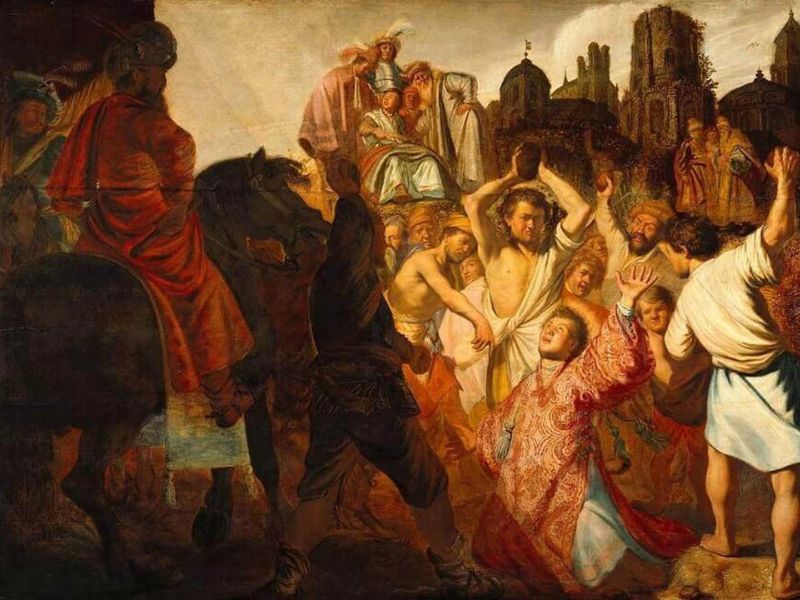
Pieter Vermeulen, an ICC board member, presents Stephen’s martyrdom as the transition from biblical teaching about suffering and persecution to the lived experience of church history. He describes Stephen as a faithful early-Christian servant who was “full of faith,” the Holy Spirit, grace, and power, citing Acts 6. After Stephen testified before religious authorities and accused them of resisting the Holy Spirit, he reported seeing the Son of Man standing at God’s right hand. The authorities then drove him outside the city and stoned him. According to the article, Stephen prayed for Jesus to receive his spirit and asked God not to hold the perpetrators’ sin against them. The article connects Stephen’s death with the persecution that followed in Jerusalem, when believers were scattered and continued preaching Christ, as recorded in Acts 8:1. It also notes that Saul, later the apostle Paul, witnessed Stephen’s death. Vermeulen argues that Stephen’s example challenges Christians to remain faithful when obedience becomes costly, rather than treating martyrdom and persecution as merely historical or theological subjects. The article concludes by inviting readers to examine whether their own faith is courageous, visible, and willing to endure hardship.
Watchmen Signals
Biblical Context
The article has a direct biblical connection because its subject is Stephen’s testimony and martyrdom as recorded in Acts, along with the broader New Testament teaching that Christian faithfulness may involve suffering. Acts specifically describes Stephen’s character, speech, vision of Christ, execution, prayer for his executioners, and the persecution and scattering that followed. The article’s appeal to Hebrews 12:1 is thematically understandable, but the passage’s immediate context points to the faithful witnesses catalogued in Hebrews 11; applying it directly to all later martyrs is an interpretive extension rather than an explicit statement of the text. The article also draws a legitimate moral application from Stephen’s conduct: believers are called to remain faithful and to respond to opposition without retaliation. No specific biblical prophecy is established by the article. Its subject is persecution and Christian witness, not the fulfillment of an identified end-times prediction.
Biblical Sources
Scripture references supporting the biblical context above.
These verses describe Stephen as full of faith and the Holy Spirit and later as full of grace and power, supporting the article’s characterization of him.
This passage records Stephen’s accusation against his opponents, his vision of the Son of Man, his stoning, and his prayers for Jesus to receive his spirit and to forgive those killing him.
These verses report the persecution following Stephen’s death, the scattering of believers from Jerusalem, and their continued preaching.
Abel is presented as a faithful witness whose testimony continues to speak, supporting the article’s broad comparison between Abel and later faithful sufferers.
This passage calls believers to persevere by considering the faithful witnesses and especially Jesus, providing the article’s stated framework for viewing Christian endurance. Its immediate context should not be expanded uncritically to assert that all later martyrs are specifically intended.
Comments
No comments yet.
Sign in to join the conversation.
Sign In