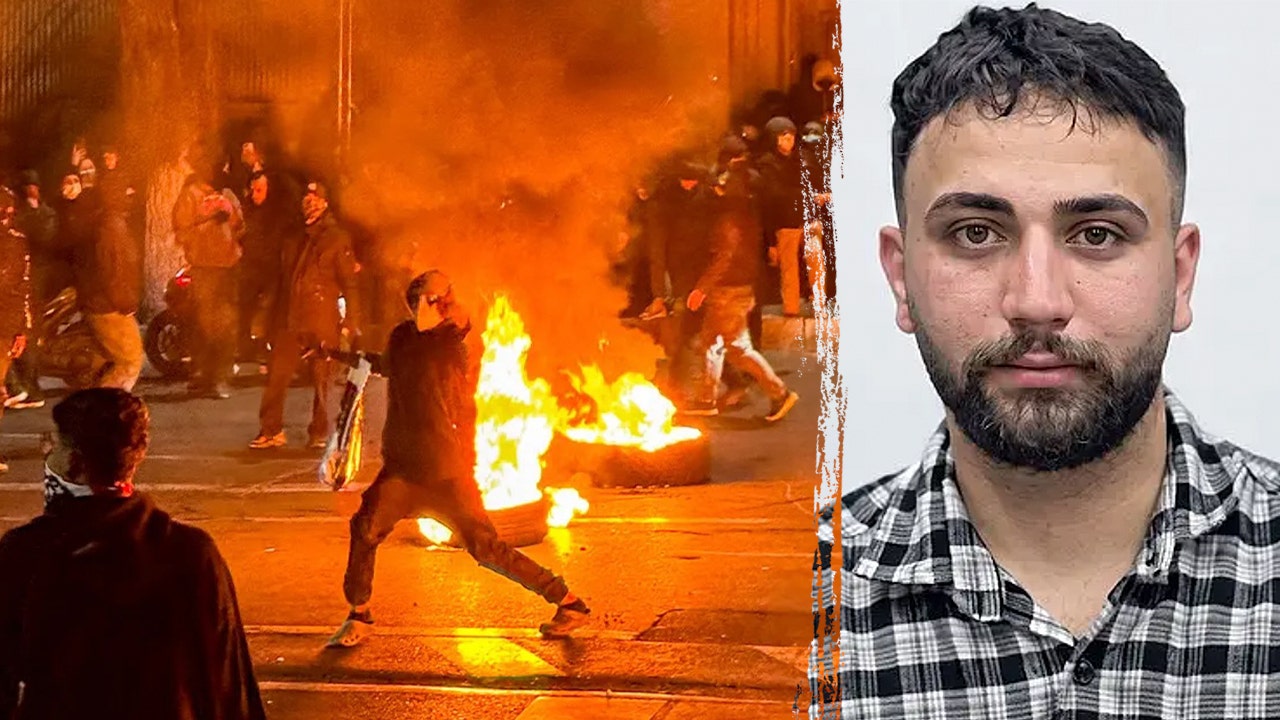
Iranian protester hanged hours after marrying his imprisoned fiancée over jail phone line
Summary
The article reports that Iranian authorities executed protesters Alireza Sepahi, 25, and Alireza Raisi at Isfahan Central Prison after convicting them in connection with anti-government demonstrations and the deaths of four security personnel. Sepahi had married imprisoned activist Mahshad Keshani by telephone hours before his execution. Human-rights advocates say Iran is intensifying executions and repression to deter dissent, while Maryam Rajavi urged international investigations and pressure. The article also mentions an activist’s separate claim involving an 18-year-old protester, but provides fewer details about that case.
Watchmen Signals
Biblical Context
The article concerns state executions, alleged retaliation against political dissidents, imprisonment, and possible denial of justice. Scripture materially addresses the protection of the innocent and the obligation to defend people facing unjust violence. Proverbs 24:11-12 calls for rescuing those being led toward death; this supports concern for people facing execution when the process is unjust, though it does not by itself establish that every person described in the article was innocent. Psalm 82:3-4 commands the defense of the weak and oppressed against unjust power. Exodus 23:7 warns against putting the innocent to death and supports careful concern about false charges and wrongful execution. These are biblical ethical and justice principles, not evidence that a specific prophecy is being fulfilled. The article does not establish that the victims were Christians or that the reported executions match a particular end-times prophecy.
Biblical Sources
Scripture references supporting the biblical context above.
Warns against false charges and killing the innocent, supporting scrutiny of allegations that dissidents were executed through politically motivated or unjust legal processes.
Calls people to rescue those being led away to death and not ignore the injustice; this directly informs concern about executions alleged to result from abusive or unjust proceedings.
Commands the defense of the weak, fatherless, afflicted, and needy against oppression, providing a direct biblical justice principle relevant to political prisoners and alleged state abuse.
Comments
No comments yet.
Sign in to join the conversation.
Sign In