Fort Hood survivor shot in head vows to watch terrorist face historic firing squad
Summary
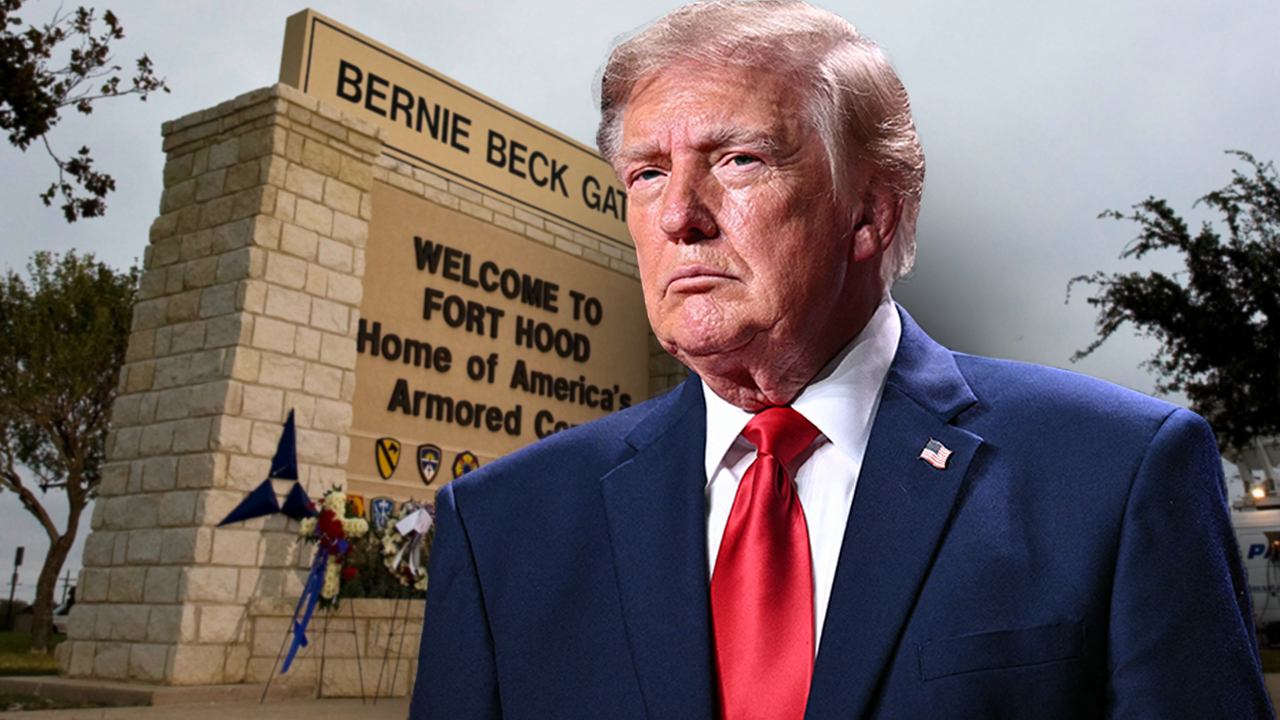
Retired Army Staff Sgt. Alonzo Lunsford, wounded in the 2009 Fort Hood terrorist attack, says he plans to attend the execution of former Army Major Nidal Malik Hasan. Hasan was convicted of killing 13 people and wounding more than 30 others while opening fire on unarmed soldiers and civilians. President Donald Trump approved an Army firing squad, with the execution reportedly scheduled for December 3, 2026, at Fort Hood. If carried out, it would be the first U.S. military execution since 1961.
Watchmen Signals
Biblical Context
The article concerns intentional killing, accountability for shedding blood, justice, and the authority of government to punish serious wrongdoing—subjects Scripture addresses directly. Genesis 9:6 grounds the seriousness of murder in humanity’s creation in God’s image and presents capital accountability as a matter of justice, though it does not prescribe the modern U.S. military’s procedure. Romans 13:1-4 describes governing authority as having a responsibility to restrain wrongdoing and says it does not bear the sword in vain; this provides a broad biblical framework for state-administered punishment. Numbers 35:30-34 addresses punishment for murder and the protection of the community from bloodshed, offering an Old Testament legal context for accountability. These passages support the article’s Biblical Relevancy classification, but they do not identify Hasan’s case as the fulfillment of a prophecy. No specific biblical prophetic passage is reasonably connected to this individual execution or the earlier Fort Hood attack.
Biblical Sources
Scripture references supporting the biblical context above.
This passage treats the deliberate shedding of human blood as a grave matter because human beings are made in God’s image, supporting the biblical relevance of a murder case and punishment for killing.
These provisions address accountability for murder and the community’s responsibility not to ignore bloodshed, supporting the article’s themes of justice and public protection.
Paul describes civil authority as responsible for restraining wrongdoing and says it bears the sword in carrying out justice, providing a direct biblical framework for state-administered punishment.
Comments
No comments yet.
Sign in to join the conversation.
Sign In